


백소담 BAEK SO DAM
- Connect
백소담은 물레 기법을 중심으로 정교한 도자 작업을 이어가는 작가이다. 물레의 ‘회전’이라는 물리적 현상에 주목하며, 같은 궤도를 반복하는 과정에서 생겨나는 미세한 차이와 흔적을 작품에 담아낸다. 고정된 한 지점에서 끊임없이 반복되는 회전은 작가에게 기술적 숙련을 위한 시간의 축적이자, 눈에 보이지 않는 공예의 시간과 손길을 기록하는 과정이 된다.
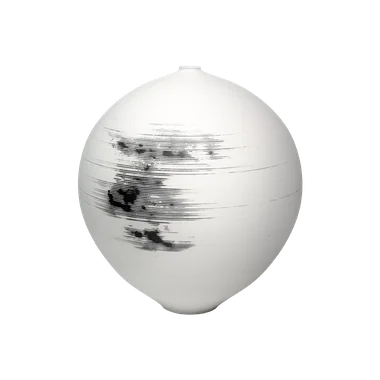
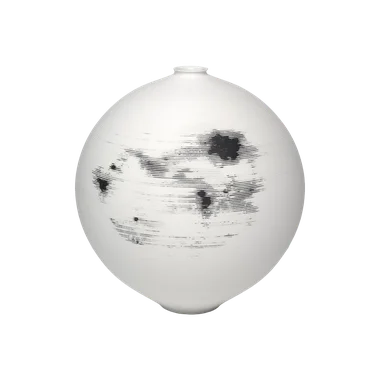
작품의 표면을 따라 일정한 간격으로 형성된 선형의 홈은 물레의 규칙적인 회전 운동을 시각적으로 드러낸다. 같은 궤도를 반복하지만 그 안에서 발생하는 미세한 차이와 흔적이 축적되면서 작품 고유의 형태와 의미가 만들어진다. 작가는 반복되는 회전 속에서 점토를 빚고 깎아내며, 물레라는 도구와 손의 움직임이 만들어내는 과정 자체를 조형적으로 표현한다.
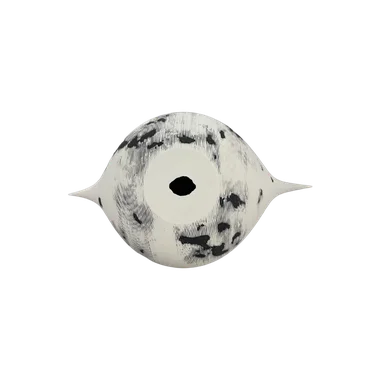
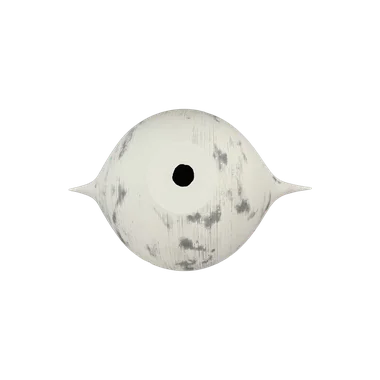
선형의 요철 사이에 남겨진 검은 흙은 시간이 흐르며 쌓이고 미세한 틈에 머무는 먼지처럼 기물에 축적된 시간과 손길의 흔적을 시각적으로 강조한다. 백소담은 이처럼 반복적인 물레 작업과 표면에 남겨진 흔적을 통해 완성된 형태뿐 아니라 하나의 기물이 만들어지기까지 축적되는 시간과 과정에 주목하며, 물레의 회전이라는 전통적인 도자 제작 방식 안에서 현대 수공예의 가치를 탐구한다.
Baek Sodam is a ceramic artist whose practice centers on the potter’s wheel and the precise process of wheel-throwing. She focuses on the physical phenomenon of rotation, capturing the subtle variations and traces that emerge through the repetition of the same circular movement. For the artist, the continuous rotation around a fixed point represents both the accumulation of time required to develop technical mastery and a process of recording the otherwise invisible time and touch embedded in craft.
The linear grooves formed at regular intervals across the surfaces of her works visually reveal the rhythmic rotation of the potter’s wheel. Although the same circular movement is repeated, subtle variations and traces accumulate throughout the process, ultimately shaping the distinctive form and character of each piece. By forming and carving clay through repeated rotation, Baek explores the process itself, translating the interaction between the potter’s wheel and the movement of the hand into a visual language.
The black clay remaining between the linear ridges accentuates the traces of time and touch accumulated on the object, much like dust that settles over time and gathers in fine crevices. Through these repetitive wheel-based processes and the traces left on the surface, Baek draws attention not only to the finished form but also to the time and process accumulated in the making of each object. In doing so, she explores the value of contemporary craftsmanship through the traditional ceramic practice of working on the potter’s wheel.
![[Limited] TRACE - VASE 05](https://media.artnedition.com/media/artwork/thumb/auto-resized/CCLBSD1005_th20260908.webp)
![[Limited] TRACE - VASE 01](https://media.artnedition.com/media/artwork/thumb/auto-resized/CCLBSD1001_main_th20260903.webp)
![[Limited] TRACE - VASE 02](https://media.artnedition.com/media/artwork/thumb/auto-resized/CCLBSD1002_main_th20260903_LHNHkVe.webp)
![[Limited] TRACE - VASE 03](https://media.artnedition.com/media/artwork/thumb/auto-resized/CCLBSD1003_main_th20260903.webp)