Artists

Park Seo Bo 작가 이미지

Park Seo Bo

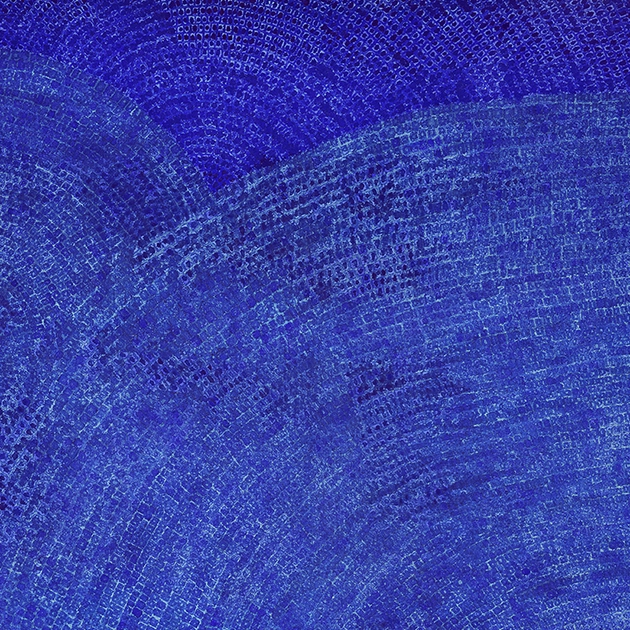
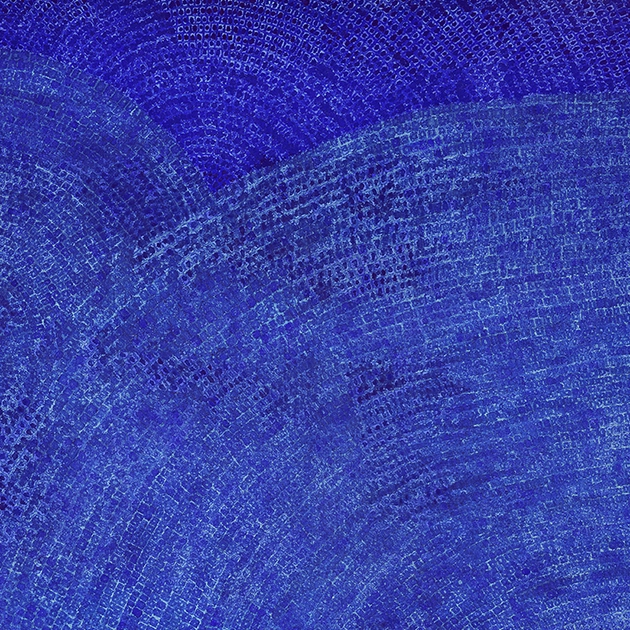
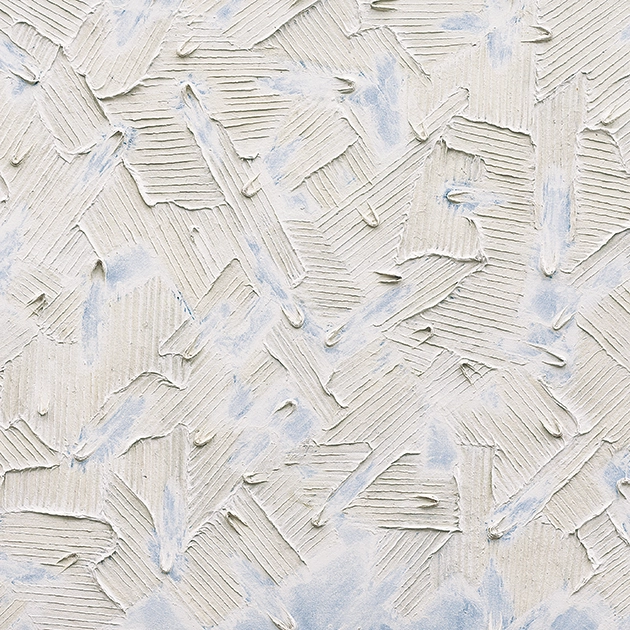
한국 단색화의 거장, 박서보 작가는 한국 현대미술이 걸어온 60년의 세월을 그의 작업 속에 오롯이 담고 있다. 1931년 경상북도 예천에서 출생한 그는 1955년 홍익대학교 서양화과를 졸업한 후 <대한민국미술전람회>로 대변되는 관전 아카데미즘이 화단의 주류를 점하던 시절, 전쟁을 겪은 인간의 고뇌를 반영한 앵포르멜 운동의 가치를 내세우며 <원형질> 시리즈를 선보여 화단의 이단아로 등장한다. 60년대 중반에는 도시화와 산업화 속에 한국의 오방색과 기하 추상을 결합한 <유전질> 시리즈를 시도하였다. <묘법> 시리즈는 반복적인 행위를 통해 자기를 비워내는 동양의 무위자연 이념을 작업에 담은 것으로 초기엔 연필로 선을 반복적으로 긋는 행위에 기초하였다면, 한지를 적극적으로 작업에 끌어들인 80년대 이후 작업에서는 종이 스스로 드러날 수 있도록 무한히 반복되는 행위와 물성이 하나로 통합된 세계를 보여준다. 한국 고유의 미술 운동인 ‘단색화’의 거장 박서보 작가는 세계현대미술사조의 관점에서 한국적 미학을 현대적 추상미술로 승화시킨 고유 예술운동의 선구자로 명실공히 인정받고 있다. 1994년에 현대미술사 아카이브 구축을 위해 서보미술문화재단을, 2019년에는 후진 양성을 위해 기지 재단을 설립하였다. 그는 2023년, 향년 92세의 나이로 타계했다. 그의 작품은 국립현대미술관, 리움미술관, 부산시립미술관뿐 아니라 전 세계 유수한 미술관인 MOMA, 구겐하임, 테이트모던, 퐁피두센터 등에 영구 소장되어 있다. Park Seo-Bo, a master of Korean Dansaekhwa (Monochrome Painting), embodies the sixty-year trajectory of Korean contemporary art through his life and work. Born in 1931 in Yecheon, Gyeongsangbuk-do, he graduated from the Department of Western Painting at Hongik University in 1955. At a time when the Korean art scene was dominated by academic realism represented by the National Art Exhibition of Korea, Park emerged as a radical figure by advocating the values of the Art Informel movement, presenting his Primordialis series, which reflected the existential anguish of humanity shaped by the experience of war. In the mid-1960s, amid rapid urbanization and industrialization, he developed the Hereditarius series, combining Korea’s traditional Obangsaek (five cardinal colors) with geometric abstraction. His Écriture series embodies the Eastern philosophy of wu wei—emptiness through non-action—expressed through repetitive gestures. While early works were based on the repeated act of drawing lines with pencil, his practice after the 1980s actively incorporated hanji (traditional Korean paper), revealing a world in which endless repetition and materiality merge, allowing the paper itself to emerge as an active presence. As a towering figure of Dansaekhwa, a uniquely Korean art movement, Park Seo-Bo is widely recognized as a pioneering artist who elevated Korean aesthetics into modern abstract art within the context of global contemporary art history. In 1994, he founded the Seobo Art Foundation to build an archive of modern and contemporary art, and in 2019, he established the Gizi Foundation (now, Park SeoBo Foundation) to support the next generation of artists. He passed away in 2023 at the age of 92. His works are held in the permanent collections of major institutions, including the National Museum of Modern and Contemporary Art, Korea; Leeum Museum of Art; Busan Museum of Art; and internationally renowned museums such as MoMA, the Guggenheim Museum, Tate Modern, and the Centre Pompidou.

Kim Chong Hak 작가 이미지

Kim Chong Hak

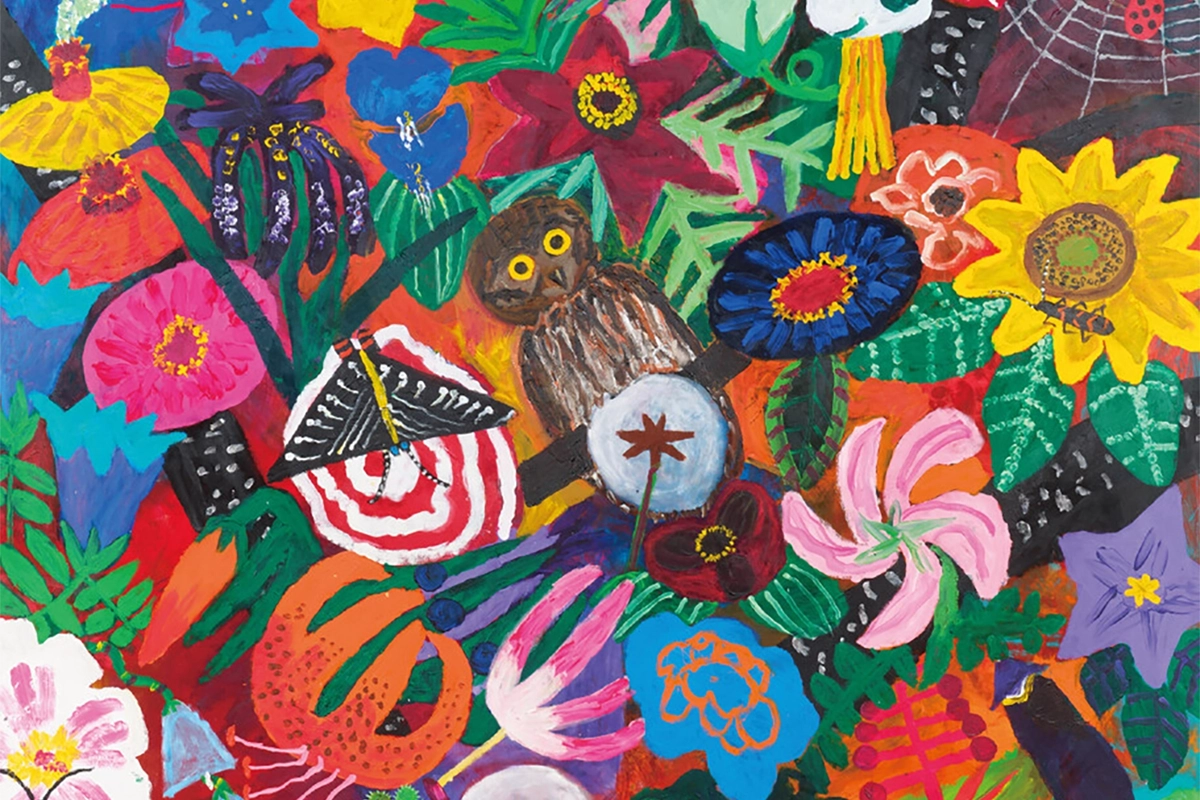
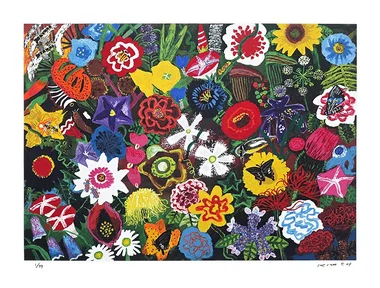
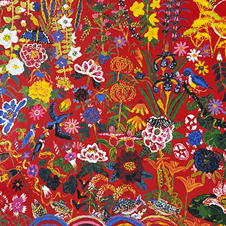
‘설악의 화가’라 불리는 김종학은 1937년 평안북도 신의주에서 태어났다. 많은 작가가 구상 작업에서 추상 작업으로 변화해 가는 것과는 반대로 김종학 작가는 추상 표현주의 회화에 몰두하다 홀연히 설악산의 작업실에 칩거하면서 아름다운 설악 풍경을 그리기 시작했다. ‘작가는 시대의 흐름을 따라가기보다는 벗어나야 한다고 생각한다.’며 1980년에 들어서며 김종학은 추상에 기초한 구상 회화로 전환해 설악에 정착한 채 화단이나 제도권의 흐름과 거리를 두고 작업했으며, 화려한 색채와 역동적인 붓질로 대자연의 기운생동과 질서, 생명력을 담아낸 독자적인 ‘김종학 화풍’을 확립해 다수의 주요 개인전을 통해 주목받았다. 2000년대 이후 김종학은 주요 화랑과 미술관에서 연이은 개인전과 회고전을 통해 작품 세계의 성숙과 변화를 인정받으며, 설악의 자연을 외형적 풍경이 아닌 내면의 초자연적 공간이자 생명의 근원으로 확장해 나갔다. 이 시기 그의 회화는 거친 표현을 정제한 ‘다양의 통일’이라는 미적 경지에 이르러, 강렬한 색채와 자유로운 구성 속에서도 조화와 여유, 한국적 정서를 깊이 있게 담아냈다. 그의 작품 속에는 온갖 세속적 유혹과 시류의 흔들림 속에서도 굳건히 뿌리내리는 예술가의 기백이 고스란히 담겨있다. 그의 작품은 국립현대미술관, 리움미술관, 부산현대미술관, 서울대학교미술관, 이화여자대학교미술관, 뮤지엄산, 구겐하임 등 유수의 미술관에 영구 소장되어 전시 중이다. Kim Chong Hak, known as the “Painter of Seorak,” was born in 1937 in Sinuiju, Pyeonganbuk-do. Contrary to the path taken by many artists who moved from figurative painting toward abstraction, Kim devoted himself to Abstract Expressionist painting before retreating to a studio in Seoraksan, where he began to depict the mountain’s magnificent landscapes. Believing that “an artist should step away from the currents of the times rather than follow them,” he shifted in the 1980s to figurative painting grounded in abstraction. Settling in Seorak and maintaining distance from the art establishment and institutional trends, he forged a distinctive “Kim Chong Hak style,” characterized by brilliant colors and dynamic brushwork that capture the vital energy, order, and life force of great nature. This unique vision drew widespread attention through numerous major solo exhibitions. From the 2000s onward, Kim’s work gained further recognition through successive solo exhibitions and retrospectives at leading galleries and museums, which acknowledged both the maturation and evolution of his artistic world. During this period, he expanded the nature of Seorak beyond an external landscape into an inner, supranatural realm—a source of life itself. His paintings reached an aesthetic state he described as a “unity of diversity,” in which earlier raw expressiveness was refined, achieving harmony and composure amid intense color and free composition, while deeply embodying a Korean sensibility. His works convey the indomitable spirit of an artist who remains firmly rooted despite worldly temptations and the fluctuations of passing trends. Kim Chong Hak’s works are held in the permanent collections of major institutions, including the National Museum of Modern and Contemporary Art, Korea; Leeum Museum of Art; Busan Museum of Contemporary Art; Seoul National University Museum of Art; Ewha Womans University Museum; Museum SAN; and the Guggenheim Museum, among others.

Kim Whan Ki 작가 이미지

Kim Whan Ki

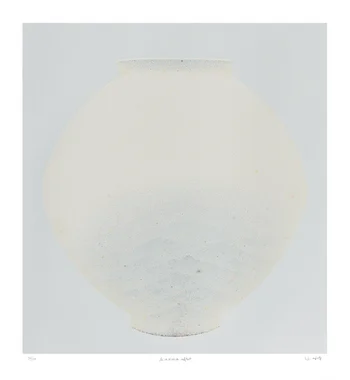
한국 추상미술의 선구자였던 김환기. 그는 우리 산천과 달, 구름 등 자연의 모습을 서정적이고 세련된 조형 언어로 표현하였다. 김환기는 1913년에 남도의 작은 섬마을에서 태어나 1933년 일본 동경으로 유학하였다. 당시 전위적인 활동의 하나였던 추상미술을 시도하고 한국적 서정 주의를 서구의 모더니즘에 접목하여 독보적인 예술세계를 정립했다. 선명한 우리 민족의 정취를 세계인이 공감하는 정제된 조형 언어와 명상적인 색감에 구현하여 뉴욕과 파리 등 세계 예술의 중심지에서 이름을 알렸다. 1950년대에는 산, 달, 매화, 달항아리 등 우리의 자연과 전통 기물에 담긴 아름다움을 소재로 더욱 밀도 높고 풍요로운 표현으로 한국적 정서를 조형화했다. 상파울루 비엔날레 특별상을 받은 1963년, 뉴욕에서 또 다른 도전을 시작한 김환기는 점, 선, 면의 순수 조형 언어로 보다 내밀한 서정의 세계를 심화시키며 한국적 서정 추상미술을 널리 알리게 되었다. 누구보다 서양미술을 풍부하게 경험했지만, 그 정신에 있어서는 동양의 전통을 계승하고 예술을 통해 자연으로 돌아가고자 했던 이 시대의 문인 화가였다. 1992년에는 그의 예술정신을 기리기 위해 서울 종로구 부암동에 ‘환기미술관’이 세워졌고, 그의 생가인 ‘신안 김환기 고택’은 2007년 국가지정문화재 중요민속자료 251호로 지정되었다. 동양 철학과 민족 정서를 서구 모더니즘에 접목해 독보적인 예술세계를 구현하였고, 일본, 파리, 뉴욕 등 세계적인 미술시장에서 활약했다. ‘나는 누구인가, 어디에서 왔으며 어디를 향해 가고 있는가?’는 작가가 일관되게 성찰한 화두이다. 그의 예술성은 자연에서 우주로, 구상에서 추상의 세계로 뻗어나간다. Kim Whanki was a pioneer of Korean abstract art. He expressed the landscapes of Korea—its mountains and rivers, the moon, and clouds—through a lyrical and refined visual language. Born in 1913 in a small island village in the southern part of Korea, Kim traveled to Tokyo in 1933 to study abroad. There, he experimented with abstract art, then considered part of avant-garde practice, and established a singular artistic world by integrating Korean lyricism with Western modernism. By translating the distinctive sensibility of Korean culture into a distilled formal language and meditative color palette that resonated with audiences worldwide, he gained international recognition in major art centers such as New York and Paris. In the 1950s, Kim further deepened and enriched his expression by drawing on the beauty of Korea’s nature and traditional objects—mountains, the moon, plum blossoms, and the moon jar—shaping Korean sentiment into visual form. In 1963, the year he received a Special Prize at the São Paulo Biennale, Kim began a new phase of challenge in New York. There, he intensified a more intimate lyrical world through the pure formal language of dots, lines, and planes, helping to widely introduce Korean lyrical abstraction to the global art scene. Although he experienced Western art more fully than most of his contemporaries, his artistic spirit remained rooted in Eastern tradition, and he can be seen as a literati painter of his time who sought to return to nature through art. In 1992, the Whanki Museum was established in Buam-dong, Jongno-gu, Seoul, to honor his artistic legacy, and in 2007 his birthplace, the Sinan Kim Whanki House, was designated National Folklore Cultural Heritage No. 251. By fusing Eastern philosophy and national sentiment with Western modernism, Kim Whanki realized an unparalleled artistic vision and was active in major art markets across Japan, Paris, and New York. “Who am I, where have I come from, and where am I headed?” was a central question he contemplated throughout his life. His artistic vision expands from nature to the cosmos, and from figuration to abstraction.

Yoo Young Kuk 작가 이미지

Yoo Young Kuk

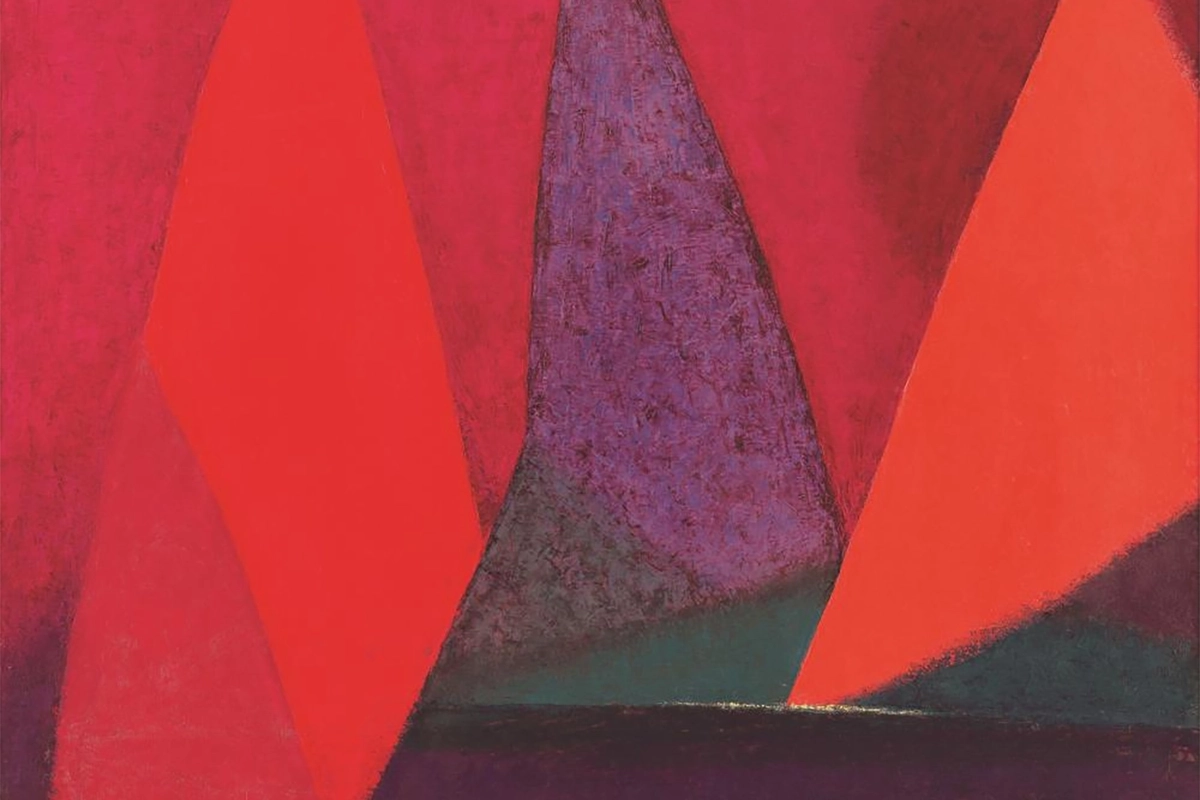
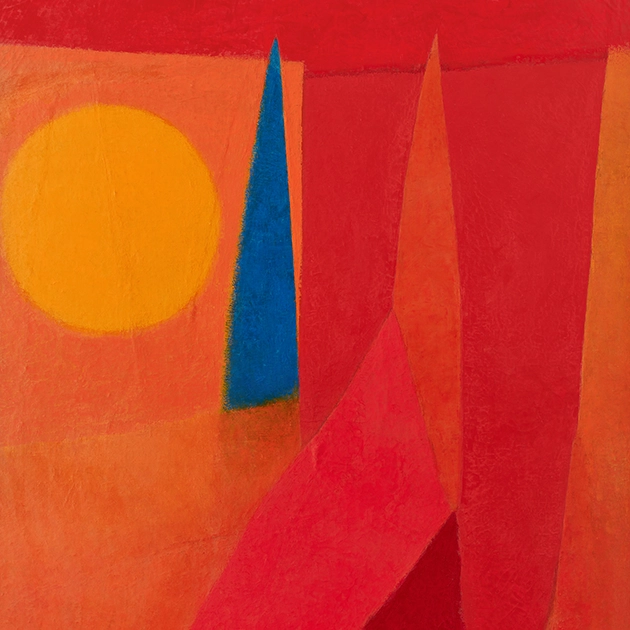
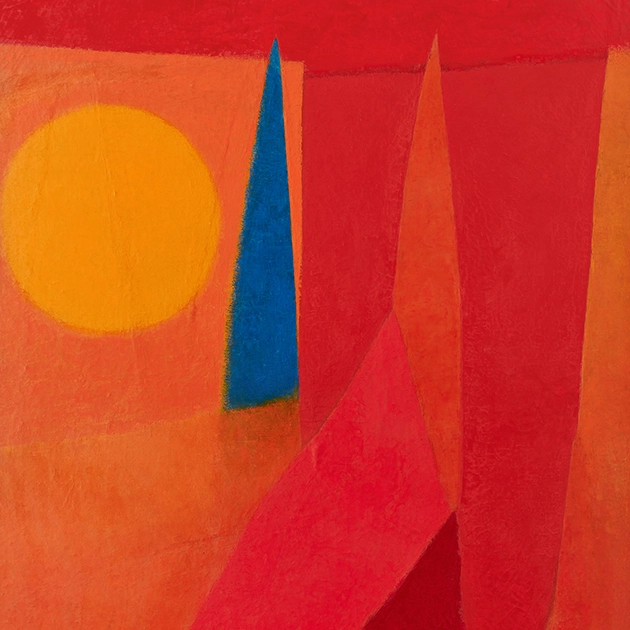
한국 추상미술의 선구자로 평가받는 유영국은 경상북도 울진에서 태어나 일본 도쿄에서 미술을 공부하며 처음 추상 미술을 접했다. 자유미술가협회, 독립미술협회 등 일본 전위예술 단체와 교류하며 초현실주의와 추상미술에 깊이 매료되었고, 오리엔탈 사진학교에서 사진과 조형의 기본 요소를 활용한 ‘자연 추상’ 세계관을 구축했다. 1943년 귀국 후 한국전쟁과 어려운 시기를 거치며 울진에서 가족을 부양하는 삶을 살면서도 작품 활동을 이어갔다. 신사실파, 모던아트협회, 신상회 등 다양한 한국미술 단체를 이끌며 전업작가로서의 기반을 다졌다. 1964년 모든 단체 활동을 중단하고 전업작가로 전념한 그는 대형 추상회화와 드로잉에서 산, 자연을 소재로 한 심층적 표현을 선보였다. 점, 선, 면, 색 등 조형 요소를 철저히 계산해 구도와 색채를 쌓아 올리며, 비정형적 추상에서 기하학적 형태로 전환하고 삼원색과 다양한 색채 변주를 통해 색의 잔상과 깊이를 표현했다. 이러한 작품은 작가의 절제와 집요한 조형 실험, 추상의 근원 탐구를 반영한다. 일본 자유미술가협회전 최고상, 대한민국예술원상, 문화예술상 등을 수상했고, 서울대와 홍익대 교수, 전람회 심사위원, 예술원 회원으로 활동했다. 산, 나무, 호수, 바다 등을 기하학적 구성과 강렬한 색채로 재해석하며 약 400여 점의 유화를 남겼다. 사후에도 활발한 전시회로 그의 작품은 소개되고 있으며, 국립현대미술관, 리움미술관, 서울시립미술관 등에 소장되어 있다. Yoo Young Kuk, widely regarded as a pioneer of Korean abstract art, was born in Uljin, Gyeongsangbuk-do, and first encountered abstraction while studying art in Tokyo, Japan. Engaging with avant-garde groups such as the Free Artists Association and the Independent Artists Association, he became deeply immersed in Surrealism and abstract art. At the Oriental School of Photography, he developed a worldview of “natural abstraction,” grounded in the fundamental elements of photography and form. After returning to Korea in 1943, he continued his artistic practice through the hardships of the Korean War and its aftermath, supporting his family in Uljin while remaining devoted to his work. He later helped lead major Korean art collectives, including the New Realists, the Modern Art Association, and the New Image Group, thereby establishing a firm foundation as a professional artist. In 1964, Yoo Young Kuk withdrew from all group activities to devote himself fully to his individual practice. Through large-scale abstract paintings and drawings, he presented deeply layered expressions inspired by mountains and nature. Carefully calculating formal elements such as dots, lines, planes, and color, he constructed compositions and chromatic structures, transitioning from amorphous abstraction to geometric forms. Through the use of primary colors and diverse chromatic variations, he explored the afterimages and depth of color. These works reflect his discipline, persistent formal experimentation, and rigorous inquiry into the origins of abstraction. Yoo Young Kuk received numerous honors, including the Grand Prize at the Free Artists Association Exhibition in Japan, the National Academy of Arts Award of Korea, and the Culture and Arts Award. He served as a professor at Seoul National University and Hongik University, as an exhibition juror, and as a member of the National Academy of Arts. Reinterpreting mountains, trees, lakes, and seas through geometric compositions and powerful colors, he left behind approximately 400 oil paintings. His work continues to be actively exhibited posthumously and is held in the collections of major institutions, including the National Museum of Modern and Contemporary Art, Korea; Leeum Museum of Art; and Seoul Museum of Art.
Ro Eun Nim 작가 이미지

Ro Eun Nim

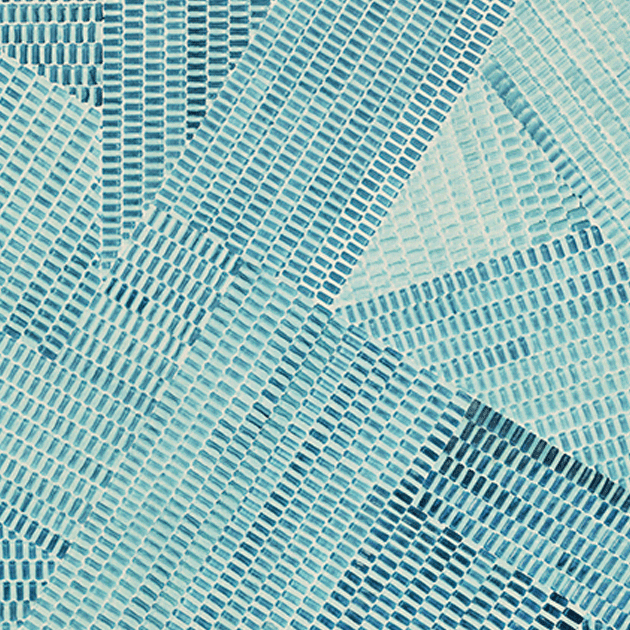
노은님은 클레와 칸딘스키의 바우하우스 제자인 한스 티만과 카이 수덱 교수의 지도로 함부르크 국립미술대학 회화과를 졸업했다. 함부르크 파브릭 ‘누구를 속이느냐’(1980), 베를린 바우하우스 아카이브 전시(1985)에 참여했고 함부르크 쿤스트하우스의 ‘평화를 위한 비엔날레’에 요셉 보이스, 존 케이지, 백남준, 솔 르윗 등과 함께 참여했다. 함부르크와 본, 쿤스트퐁즈와 봅스베데 장학금, BDI 독일산업회 작가상(1980) 등을 받았다. 독일 현대미술의 표현주의에 동양의 존재론을 결합해 강렬하면서도 초월적인 작업을 구가했던 그는 한국 작가로서는 최초로 국립 함부르크 조형예술대학의 정교수로 임용돼 20여 년간 재직했다. 2019년 11월 독일 미헬슈타트의 시립미술관에 그를 기리는 영구 전시관이 개관되는 등 독일 미술계에 확실한 족적을 남겼다. 화선지 위에 두터운 묵선으로 그려진 그의 그림에는 경계도 없고, 막힘도 없다. 검은 물감을 듬뿍 묻힌 붓으로 쓱쓱 그려낸 작품은 어디서도 보지 못했던 자유로운 그림으로 독일은 물론 세계적으로 반향을 일으켰다. 노은님의 작품은 국립현대미술관, 뮤지엄 산, 부산시립미술관, 삼성문화재단, 레오폴드 뮤지엄 등에 소장되어있다. Ro Eun Nim studied painting at the Hamburg University of Fine Arts under Hans Thiemann, a Bauhaus disciple of Paul Klee and Wassily Kandinsky, and Professor Kai Sudeck. She participated in exhibitions such as “Who Are You Deceiving?” at Fabrik Hamburg (1980) and the Bauhaus Archive exhibition in Berlin (1985), and took part in the Biennale for Peace at Kunsthaus Hamburg alongside Joseph Beuys, John Cage, Nam June Paik, and Sol LeWitt. She received numerous awards and grants, including those from Hamburg and Bonn, the Kunstfonds and Worpswede scholarships, and the BDI (Federation of German Industries) Artist Award in 1980. By combining the expressive force of German contemporary Expressionism with Eastern ontology, he developed a body of work that was both intense and transcendent. As the first Korean artist to be appointed a full professor at the Hamburg University of Fine Arts, he served there for over twenty years. In November 2019, a permanent exhibition space in her honor opened at the Municipal Museum in Michelstadt, marking her enduring legacy within the German art world. Her paintings, rendered on traditional Korean hanji paper with thick, powerful strokes of ink, are free of boundaries and obstructions. Works created with bold, sweeping gestures of a brush heavily laden with black pigment presented a freedom never before seen, resonating strongly not only in Germany but internationally. Ro Eun Nim’s works are held in the collections of the National Museum of Modern and Contemporary Art, Korea; Museum SAN; Busan Museum of Art; the Samsung Foundation of Culture; and the Leopold Museum, among others.
Kim Bo Hie 작가 이미지

Kim Bo Hie

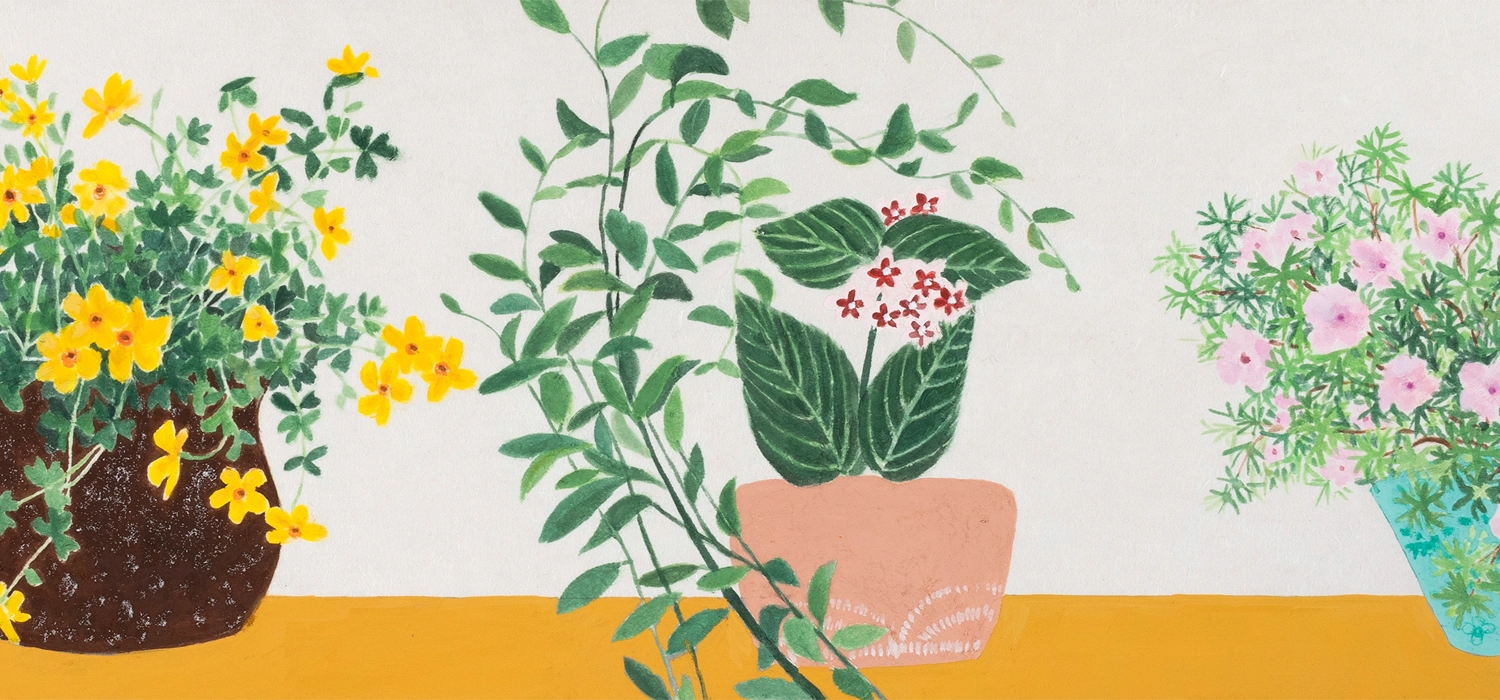
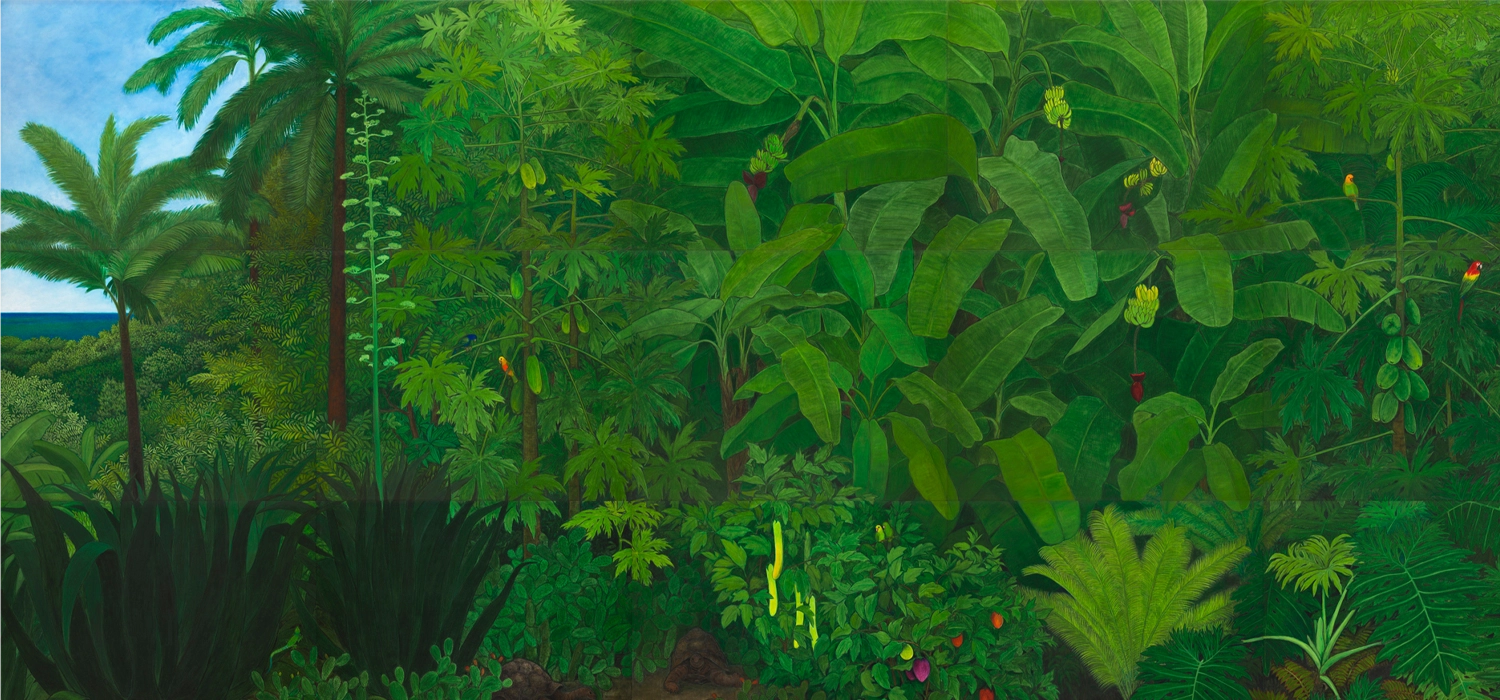
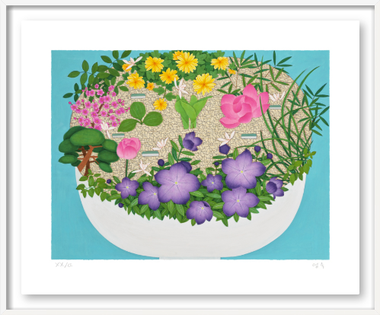
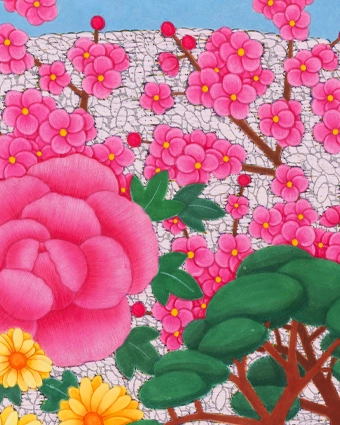
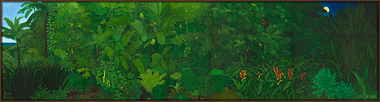
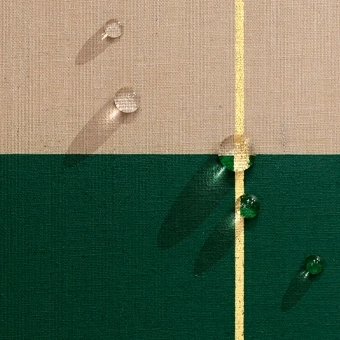
김보희 작가는 동서양 회화의 전통을 깊이 분석하고 체득하는 과정을 통해 자신만의 고유한 기법을 발전시키며, 동양화의 동시대적 확장성을 탐구해왔다. 그는 서양화의 구도와 동양화의 평면적 묘사를 유기적으로 결합하여 캔버스와 한지, 동양화 물감과 아크릴 물감을 혼용한 독창적 화풍을 구축했다. 이를 통해 생동감 있는 풍경 연작과 식물의 세밀한 부분을 강조한 대담한 구도의 정물화를 선보인다. 작가는 이화여대 동양화과와 동대학원을 졸업하고 2017년까지 교수와 박물관 관장을 역임했으며, 현재 제주도에 거주하며 자연의 생명력을 화폭에 담고 있다. 그의 작품은 친밀감이라는 감각을 통해 장소와 느껴지는 영적·물리적 연결성을 탐구하며, 이는 우리의 시각적 인식과 경험에 영향을 미친다. 수묵과 수성 매체를 활용한 작업은 진경산수화의 현대적 해석으로, 한국적 자연과 제주의 문화사를 아우르며 관람객에게 사유와 명상의 공간을 제공한다. 김보희의 작품은 국립현대미술관, 서울시립미술관, 이화여자대학교 박물관 등 다수 기관에 소장되어 있으며, 금호미술관, 경기도미술관, 뮤지엄 산 등 국내외 전시에 참여했다. 2024년 6월에는 글래스고 모던 인스티튜트에서 개인전을 개최하며 영국 무대에 진출했다. Kim Bo Hie has developed her own distinctive techniques through a deep analysis and embodied understanding of both Eastern and Western painting traditions, continuously exploring the contemporary expansiveness of East Asian painting. By organically combining the compositional principles of Western painting with the planar depiction of traditional ink painting, she has established a unique visual language that blends canvas and hanji (traditional Korean paper), as well as East Asian pigments and acrylic paint. Through this approach, she presents vibrant landscape series alongside boldly composed still lifes that emphasize the intricate details of plants. She graduated from the Department of Oriental Painting at Ewha Womans University and its graduate school, and served as a professor and museum director until 2017. Currently based on Jeju Island, she continues to capture the vitality of nature on canvas. Her works explore the spiritual and physical sense of connection to place through the feeling of intimacy, influencing our visual perception and lived experience. Using ink and water-based media, her practice offers a contemporary interpretation of jingyeong sansuhwa (true-view landscape painting), encompassing both Korean nature and the cultural history of Jeju, and providing viewers with a space for reflection and contemplation. Kim Bo Hie’s works are held in the collections of numerous institutions, including the National Museum of Modern and Contemporary Art, Korea; Seoul Museum of Art; and the Ewha Womans University Museum. She has participated in exhibitions at venues such as Kumho Museum of Art, Gyeonggi Museum of Modern Art, and Museum SAN, among others. In June 2024, she expanded her international presence by holding a solo exhibition at the Glasgow Modern Institute in the United Kingdom.

Yoo Sun Tai 작가 이미지

Yoo Sun Tai

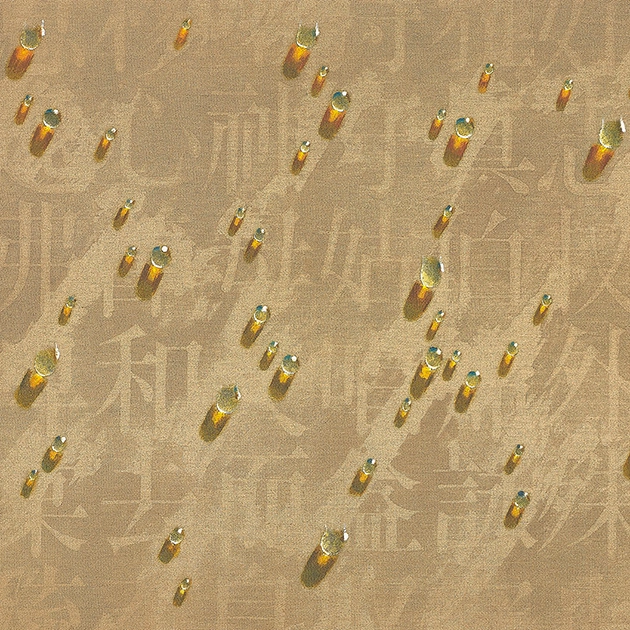
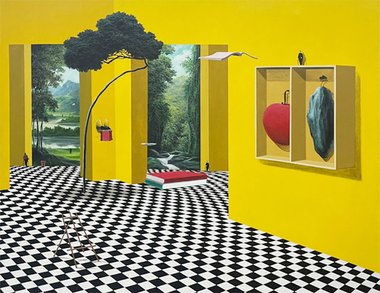
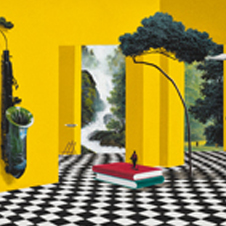
유선태는 평면과 입체를 넘나들며 매체의 경계를 확장해 온 작가로, 홍익대학교와 동 대학원, 파리 국립미술대학교에서 수학했다. 그의 작품에는 화병, 책, 축음기, 과일과 같은 일상의 오브제와 동서양의 고전 명화가 낯선 풍경 속에 반복적으로 등장하며, 그 장면마다 자전거를 타고 어딘가로 향하는 한 남자의 뒷모습이 빠짐없이 그려진다. 작게 묘사된 이 인물은 다양한 소재들이 혼재된 화면을 하나로 엮는 상징적 기호이자, 예술과 삶을 사유하는 작가 자신의 분신이다. 작가는 이를 “노동집약적이고 아날로그적인 예술가의 삶”을 상징하는 존재로 설명하며, 끊임없이 ‘예술의 숲’을 소요하는 예술가의 표상이라 말한다. 그의 작품은 현재 스웨덴, 파리, 서울 등 세계 여러 지역에 소장되어 있다. 1980년대 파리 유학 시절부터 평면과 입체를 동시에 탐구해 온 유선태는, 매체의 경계를 허무는 조형 실험을 거쳐 2006년부터 <말과 글> 연작을 시작했다. 이 작업에서 그는 동양과 서양, 자연과 건축, 찰나와 영원, 과거와 현재, 평면과 입체 등 상반되거나 긴장 관계에 있는 개념들을 하나의 화면에 공존시킨다. 이를 통해 이질적인 요소들은 대립을 넘어 순환하는 세계를 형성하며, 기존의 위계와 범주를 해체한다. 유선태의 작업은 서로 다름을 인정하면서도 조화를 이루는 화이부동(和而不同)’의 상태를 지향한다. 특히 자연과 오브제의 관계에서 이러한 태도가 두드러진다. 그의 자연은 시작과 끝 없이 순환하는 본성을 지닌 풍경으로 제시되며, 작가는 그 안에 인간의 산물인 오브제를 배치하거나, 반대로 오브제 위에 풍경을 덧그려 자연과 인공의 경계를 뒤흔든다. 이러한 시도는 공존과 순환에 대한 그의 철학을 시각적으로 드러낸다. 그의 작품은 퐁피두센터, 국립현대미술관, 선재미술관 등에 소장되어 있다. Yoo Sun Tai is an artist who has expanded the boundaries between the two-dimensional and three-dimensional, working fluidly across media. He studied at Hongik University and its graduate school, as well as at the École Nationale Supérieure des Beaux-Arts in Paris. His works repeatedly feature everyday objects such as vases, books, gramophones, and fruits, along with classical masterpieces from both East and West, placed within unfamiliar settings. In each scene, the rear view of a man riding a bicycle appears without exception. This small figure serves as a symbolic device that ties together the diverse elements on the canvas and acts as an alter ego of the artist—an embodiment of his reflections on art and life. Yoo describes this figure as representing “the labor-intensive and analog life of the artist,” a symbol of the artist who endlessly wanders through the “forest of art.” His works are now held in collections in Sweden, Paris, Seoul, and other cities around the world. Since his time studying in Paris in the 1980s, Yoo has explored both two-dimensional and three-dimensional forms. Through his experiments that dismantle the boundaries of medium, he began his Words and Images series in 2006. In this body of work, he brings together concepts that are often opposing or in tension—East and West, nature and architecture, the momentary and the eternal, past and present, the planar and the sculptural—within a single pictorial space. Through this coexistence, disparate elements form a cyclical world that transcends opposition, dissolving established hierarchies and categories. Yoo Sun Tai’s practice aspires to harmony without uniformity—a state that acknowledges difference while maintaining balance. This attitude is particularly evident in the relationship he constructs between nature and objects. In his work, nature appears as a landscape defined by its cyclical essence, devoid of a clear beginning or end. The artist places human-made objects within this setting, or conversely, overlays landscapes upon these objects, unsettling the boundaries between the natural and the artificial. These gestures visually articulate his philosophy of coexistence and circulation. His artworks are included in the collections of the Centre Pompidou, the National Museum of Modern and Contemporary Art, Korea, and Art Sonje Center.

Chun Kwang Young 작가 이미지

Chun Kwang Young

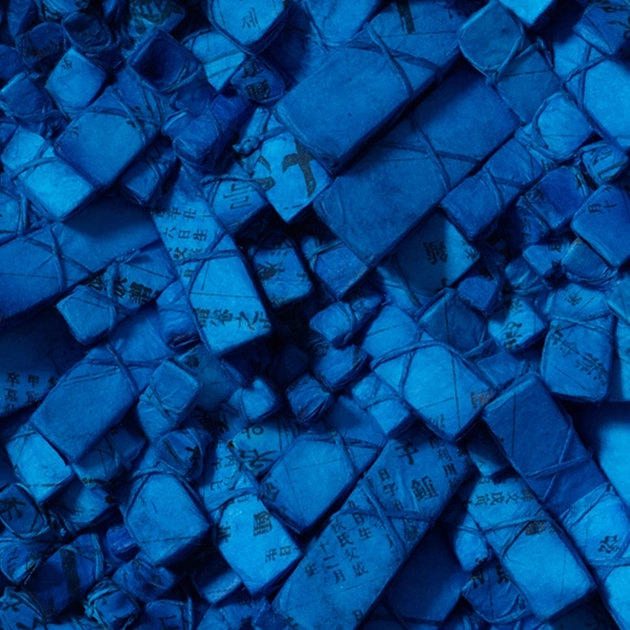
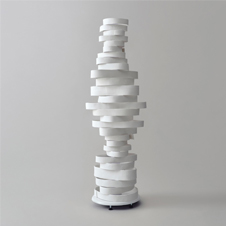
한국의 전통 재료인 한지를 통해 동서양의 미학을 잇는 독창적인 조형 언어를 완성한 전광영 작가. 홍익대학교 회화과와 필라델피아 예술대학 대학원을 졸업한 그는, 서구 추상회화의 문법 위에 한국적 정서와 철학을 접목했다. 1990년대 중반부터 시작된 대표 시리즈 그는 ‘한지를 접고 묶는’ 행위를 통해 창조와 소멸, 생명과 순환의 개념을 시각화하며, 시간의 누적과 인간 존재의 본질을 탐구한다. 종이 하나하나에는 옛 한문서나 신문이 인쇄되어 있어, 각기 다른 기억과 언어가 층층이 쌓여 거대한 질서를 이루는 듯한 인상을 준다. 전광영의 작품은 회화와 조각, 동양과 서양, 전통과 현대의 경계를 허물며 세계 미술계에 깊은 울림을 남겼다. 그의 〈Aggregations〉 시리즈는 뉴욕 브루클린 미술관, 워싱턴 D.C.의 스미스소니언 박물관, 런던 빅토리아 앤 앨버트 뮤지엄 등 세계 주요 미술관에 소장되어 있다. 그는 “한지를 통해 수천 년의 기억을 다시 엮어내는 일”이라 말하며, 한지의 물성과 영혼으로 시대와 인간의 본질을 사유한다. 그의 작품은 대영박물관, 우양미술관, UN본부, 리움미술관, 국립현대미술관 등에 소장되어 있다. Artist Chun Kwang Young has forged a unique visual language that bridges Eastern and Western aesthetics through the traditional Korean material of hanji. A graduate of Hongik University’s Department of Painting and the University of the Arts in Philadelphia, he integrates Korean sensibility and philosophy into the formal vocabulary of Western abstraction. His signature series Aggregations, begun in the mid-1990s, consists of dimensional paintings created by attaching thousands—sometimes tens of thousands—of small triangular hanji parcels to a canvas. Each work serves as a symbolic manifestation of the artist’s worldview. Through the repetitive acts of folding and binding hanji, Chun visualizes concepts of creation and dissolution, life and circulation, probing the accumulation of time and the essence of human existence. The individual pieces of paper, printed with old Chinese texts or newspapers, evoke layers of memories and languages that together form a monumental and poetic order. Chun Kwang Young’s works dissolve the boundaries between painting and sculpture, East and West, and tradition and modernity, leaving a profound impact on the global art world. His Aggregations are housed in major institutions worldwide, including the Brooklyn Museum in New York, the Smithsonian Museum in Washington, D.C., and the Victoria and Albert Museum in London. The artist describes his practice as “weaving together thousands of years of memory through hanji,” reflecting on the nature of time and humanity through the material and spirit of paper. His works are also held in the collections of the British Museum, the Wooyang Museum of Contemporary Art, the United Nations Headquarters, the Leeum Museum of Art, and the National Museum of Modern and Contemporary Art, Korea.

Limited Edition

Original Artworks