장샤오강 ZHANG XIAOGANG
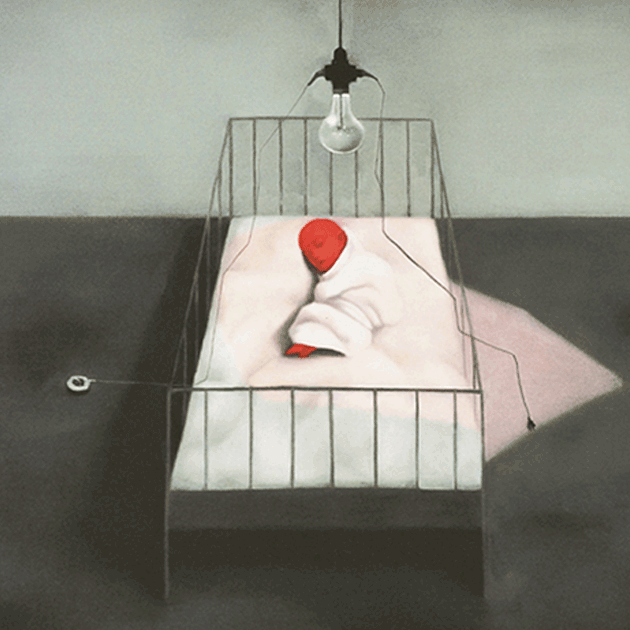
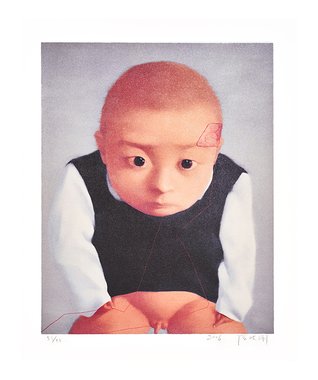
장샤오강은 중국 현대미술의 4대 천왕 중 한 명으로, 원난성 쿤밍시에서 정부 관료인 부모 사이에서 태어났다. 1960~70년대의 정치적 격변인 문화대혁명은 그의 작품에 큰 영향을 미쳤다. 1992년 독일 여행 후, 그는 개인적인 경험뿐만 아니라 중국 역사를 과거와 현재를 아우르는 방식으로 탐구하고 재해석하는 새로운 관심을 가지게 되었다.
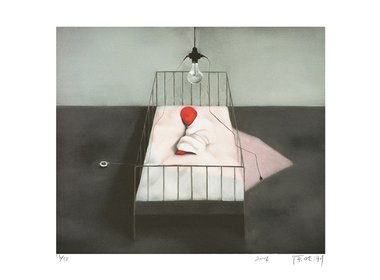
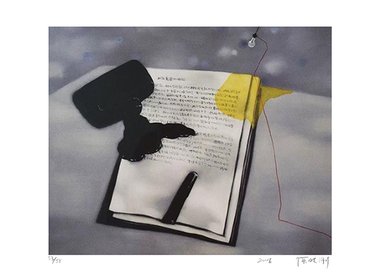
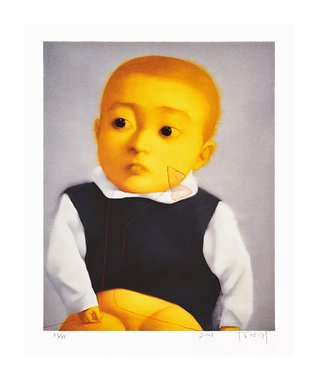
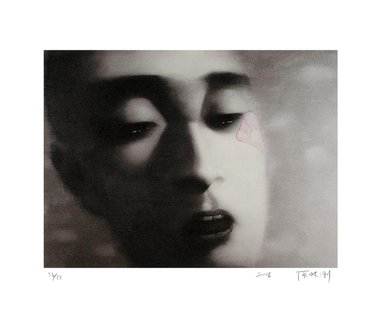
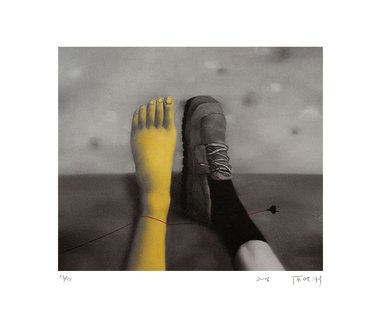
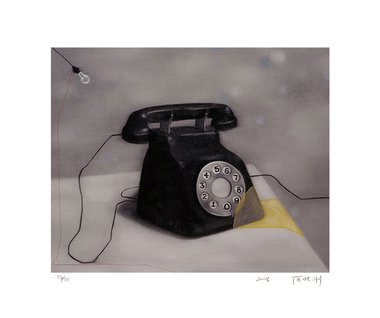
그의 대표작인 ‘대가족’ 시리즈는 우연히 발견한 자신의 옛 사진에서 영감을 얻어 시작되었다. 그 시절 개인의 존재가 희미했던 집단 중심의 가족사진을 떠올리며, 그 당시의 감정을 작품 속에 담아내었다. 장샤오강은 낡은 가족사진을 매개로 기억과 망각의 흔적을 보여주며, 중국인의 역사와 내면의 심리를 탐구한다. 그는 사회 전체보다는 개개인의 심리에 집중하며, 격동의 시대를 살았던 중국인과 중국 사회의 자화상을 그린다.
장샤오강의 작품은 오랜 사회주의 체제의 끝자락에서 변화를 맞이한 중국의 사회적, 철학적 사유를 반영하며, 대륙 본토의 독특한 뉘앙스를 전달한다. 그의 그림은 소더비 경매에서 최고가로 판매되며, 현재 그는 중국에서 가장 영향력 있는 화가 중 한 명으로 자리매김했다. 그는 왕광이, 위에민준, 팡리쥔과 함께 ‘차이나 아방가르드’의 대표적인 작가로 꼽힌다.
Zhang Xiaogang, one of the “Four Great Kings” of contemporary Chinese art, was born in Kunming, Yunnan Province, to government officials. The political upheavals of the 1960s and 1970s, especially the Cultural Revolution, greatly influenced his works. After a trip to Germany in 1992, he became interested in exploring and reinterpreting both personal experiences and the history of China, spanning both the past and present.
His iconic "Bloodline" series was inspired by an old family photo he stumbled upon. Reflecting on the collective, rather than individual, identity in family photos from that era, Zhang began to infuse these memories with emotional depth. Using old family photographs as a medium, he depicts the traces of memory and oblivion, exploring the historical and psychological layers of the Chinese people. His focus is on the individual psyche rather than the social structure, revealing the self-portrait of both the Chinese people and society during a time of intense upheaval.
Zhang’s works reflect the philosophical reflections of China at the cusp of the end of its long socialist era, embodying unique nuances of mainland China. His paintings have soared in value, selling at record prices at Sotheby’s, and he has grown into one of China’s most influential contemporary artists. He is regarded as one of the leading figures in the "China Avant-Garde" alongside Wang Guangyi, Yue Minjun, and Fang Lijun.