유영국 YOO YOUNG KUK
한국 추상미술의 선구자로 평가받는 유영국은 경상북도 울진에서 태어나 일본 도쿄에서 미술을 공부하며 처음 추상 미술을 접했다. 자유미술가협회, 독립미술협회 등 일본 전위예술 단체와 교류하며 초현실주의와 추상미술에 깊이 매료되었고, 오리엔탈 사진학교에서 사진과 조형의 기본 요소를 활용한 ‘자연 추상’ 세계관을 구축했다. 1943년 귀국 후 한국전쟁과 어려운 시기를 거치며 울진에서 가족을 부양하는 삶을 살면서도 작품 활동을 이어갔다. 신사실파, 모던아트협회, 신상회 등 다양한 한국미술 단체를 이끌며 전업작가로서의 기반을 다졌다.
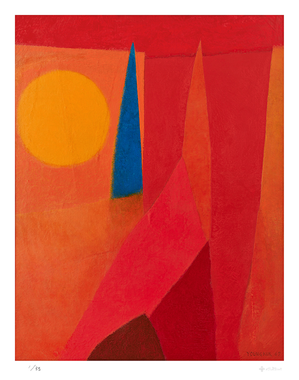
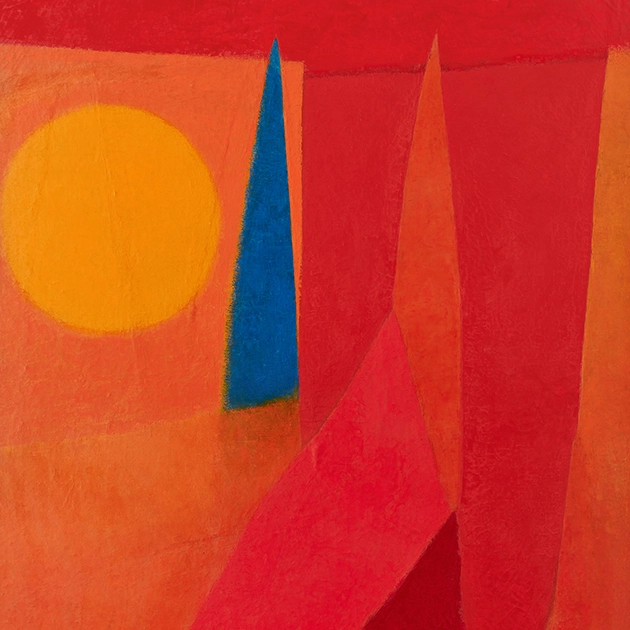
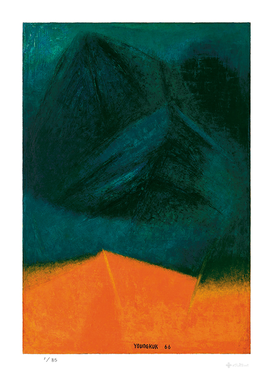
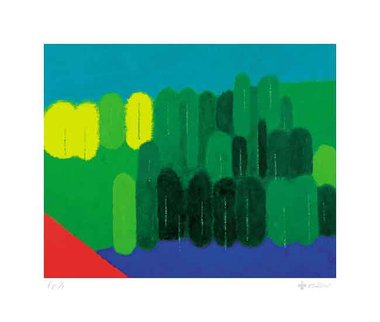
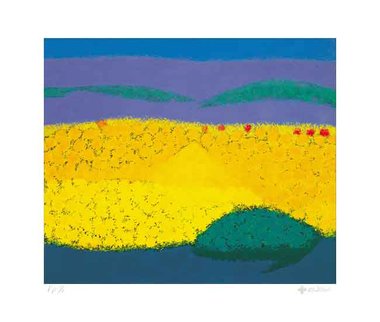
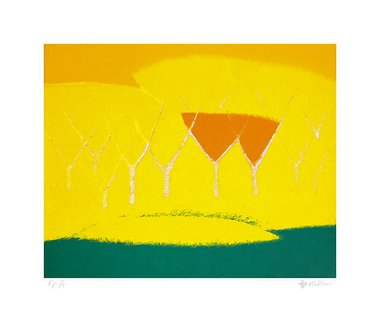
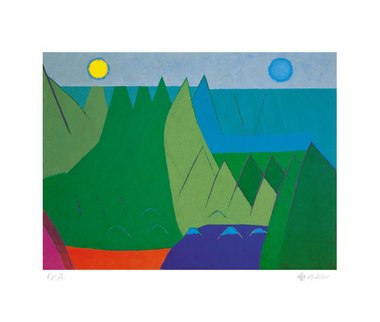
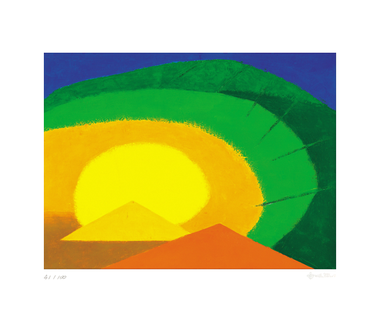
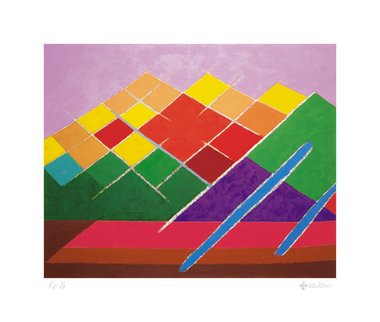
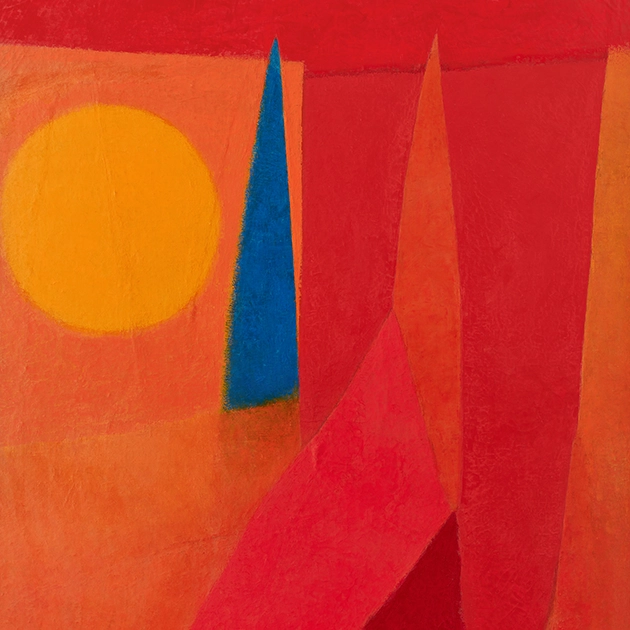
1964년 모든 단체 활동을 중단하고 전업작가로 전념한 그는 대형 추상회화와 드로잉에서 산, 자연을 소재로 한 심층적 표현을 선보였다. 점, 선, 면, 색 등 조형 요소를 철저히 계산해 구도와 색채를 쌓아 올리며, 비정형적 추상에서 기하학적 형태로 전환하고 삼원색과 다양한 색채 변주를 통해 색의 잔상과 깊이를 표현했다. 이러한 작품은 작가의 절제와 집요한 조형 실험, 추상의 근원 탐구를 반영한다.
일본 자유미술가협회전 최고상, 대한민국예술원상, 문화예술상 등을 수상했고, 서울대와 홍익대 교수, 전람회 심사위원, 예술원 회원으로 활동했다. 산, 나무, 호수, 바다 등을 기하학적 구성과 강렬한 색채로 재해석하며 약 400여 점의 유화를 남겼다. 사후에도 활발한 전시회로 그의 작품은 소개되고 있으며, 국립현대미술관, 리움미술관, 서울시립미술관 등에 소장되어 있다.
Yoo Young Kuk, widely regarded as a pioneer of Korean abstract art, was born in Uljin, Gyeongsangbuk-do, and first encountered abstraction while studying art in Tokyo, Japan. Engaging with avant-garde groups such as the Free Artists Association and the Independent Artists Association, he became deeply immersed in Surrealism and abstract art. At the Oriental School of Photography, he developed a worldview of “natural abstraction,” grounded in the fundamental elements of photography and form. After returning to Korea in 1943, he continued his artistic practice through the hardships of the Korean War and its aftermath, supporting his family in Uljin while remaining devoted to his work. He later helped lead major Korean art collectives, including the New Realists, the Modern Art Association, and the New Image Group, thereby establishing a firm foundation as a professional artist.
In 1964, Yoo Young Kuk withdrew from all group activities to devote himself fully to his individual practice. Through large-scale abstract paintings and drawings, he presented deeply layered expressions inspired by mountains and nature. Carefully calculating formal elements such as dots, lines, planes, and color, he constructed compositions and chromatic structures, transitioning from amorphous abstraction to geometric forms. Through the use of primary colors and diverse chromatic variations, he explored the afterimages and depth of color. These works reflect his discipline, persistent formal experimentation, and rigorous inquiry into the origins of abstraction.
Yoo Young Kuk received numerous honors, including the Grand Prize at the Free Artists Association Exhibition in Japan, the National Academy of Arts Award of Korea, and the Culture and Arts Award. He served as a professor at Seoul National University and Hongik University, as an exhibition juror, and as a member of the National Academy of Arts. Reinterpreting mountains, trees, lakes, and seas through geometric compositions and powerful colors, he left behind approximately 400 oil paintings. His work continues to be actively exhibited posthumously and is held in the collections of major institutions, including the National Museum of Modern and Contemporary Art, Korea; Leeum Museum of Art; and Seoul Museum of Art.