노은님 RO EUN NIM
노은님은 클레와 칸딘스키의 바우하우스 제자인 한스 티만과 카이 수덱 교수의 지도로 함부르크 국립미술대학 회화과를 졸업했다. 함부르크 파브릭 ‘누구를 속이느냐’(1980), 베를린 바우하우스 아카이브 전시(1985)에 참여했고 함부르크 쿤스트하우스의 ‘평화를 위한 비엔날레’에 요셉 보이스, 존 케이지, 백남준, 솔 르윗 등과 함께 참여했다. 함부르크와 본, 쿤스트퐁즈와 봅스베데 장학금, BDI 독일산업회 작가상(1980) 등을 받았다.
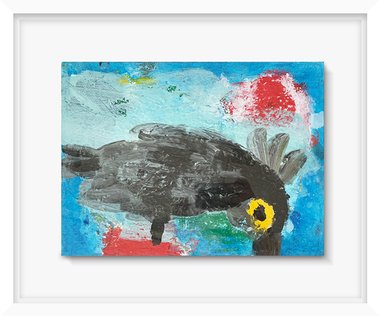
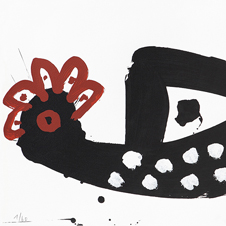
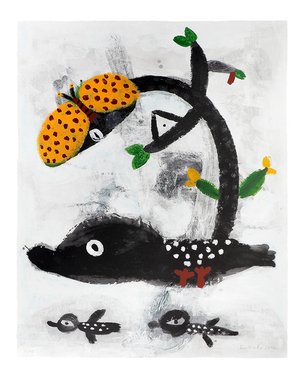
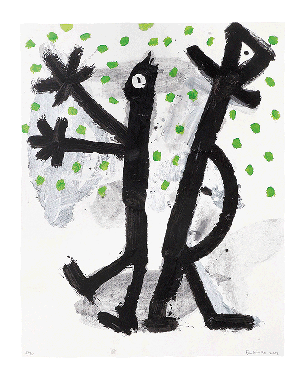
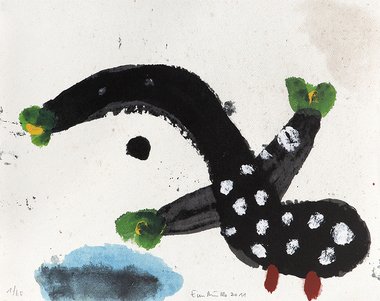
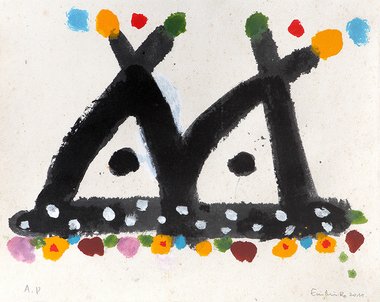
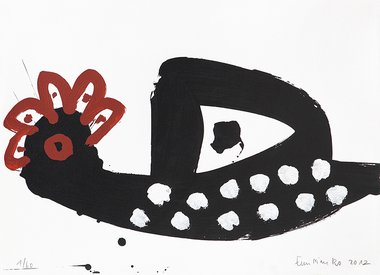
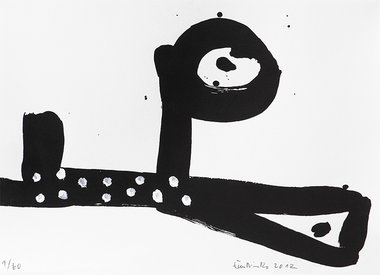
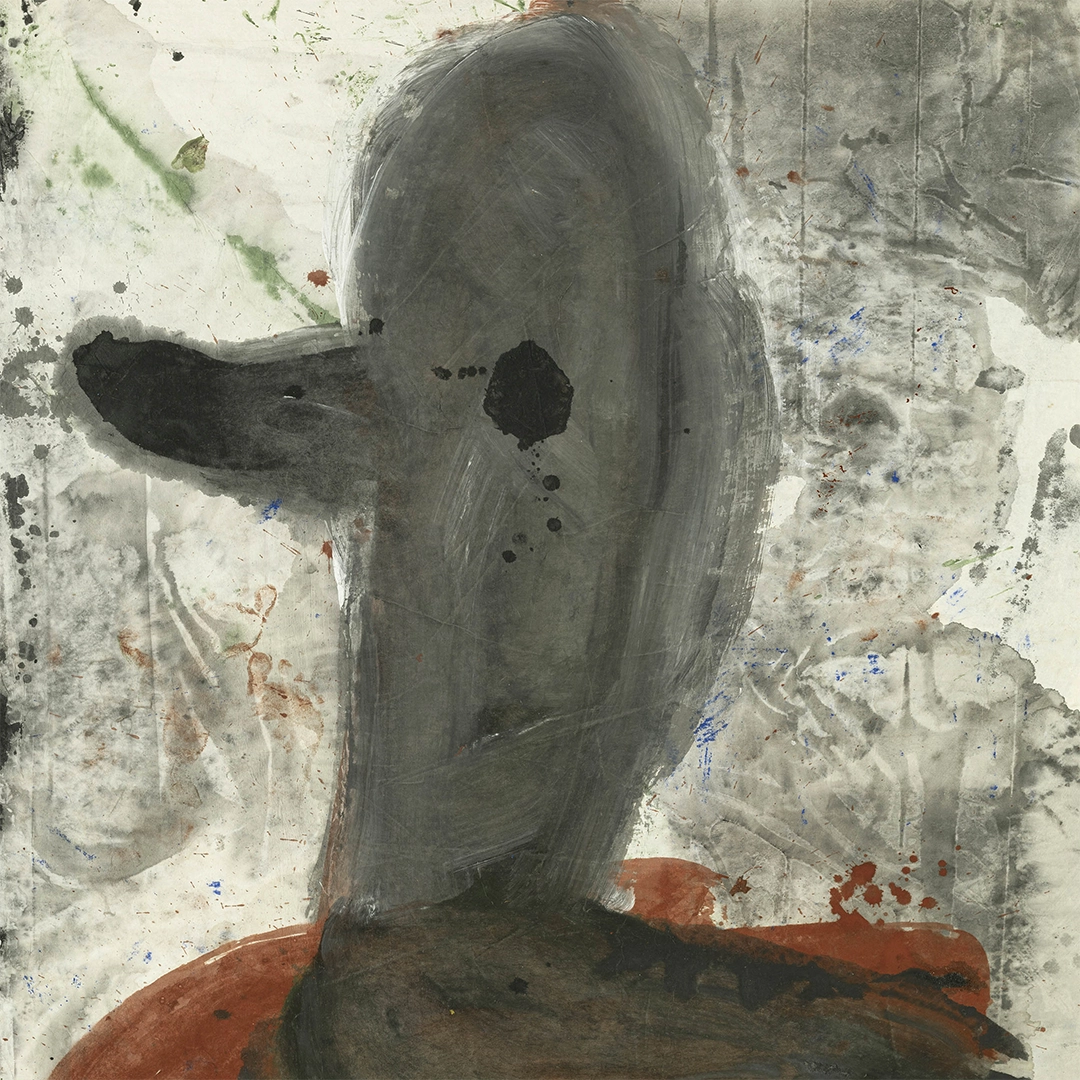
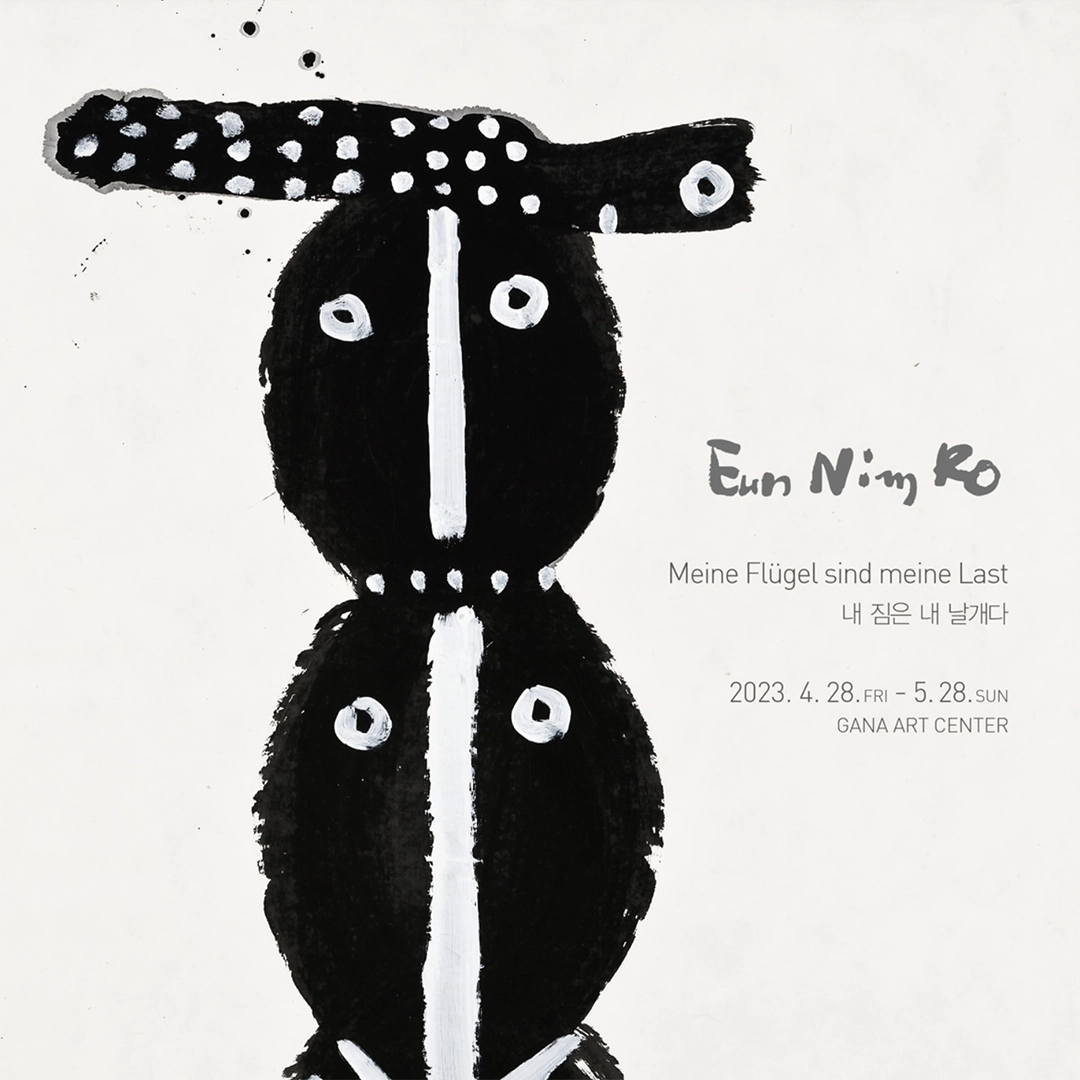
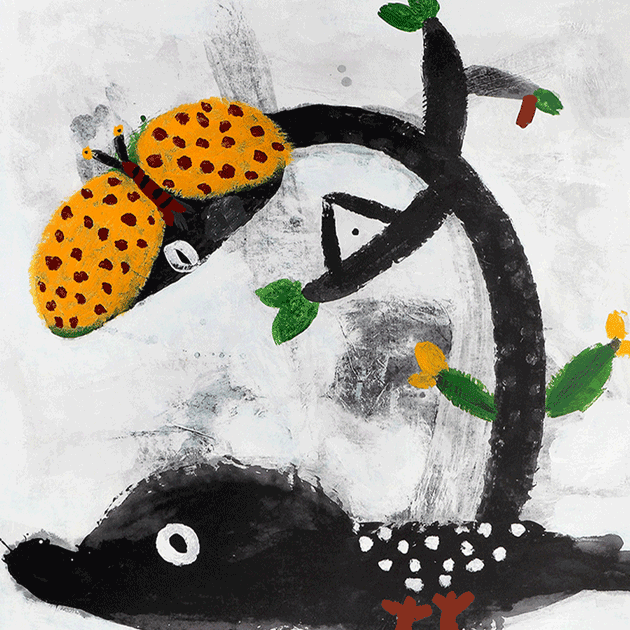
독일 현대미술의 표현주의에 동양의 존재론을 결합해 강렬하면서도 초월적인 작업을 구가했던 그는 한국 작가로서는 최초로 국립 함부르크 조형예술대학의 정교수로 임용돼 20여 년간 재직했다. 2019년 11월 독일 미헬슈타트의 시립미술관에 그를 기리는 영구 전시관이 개관되는 등 독일 미술계에 확실한 족적을 남겼다. 화선지 위에 두터운 묵선으로 그려진 그의 그림에는 경계도 없고, 막힘도 없다.
검은 물감을 듬뿍 묻힌 붓으로 쓱쓱 그려낸 작품은 어디서도 보지 못했던 자유로운 그림으로 독일은 물론 세계적으로 반향을 일으켰다. 노은님의 작품은 국립현대미술관, 뮤지엄 산, 부산시립미술관, 삼성문화재단, 레오폴드 뮤지엄 등에 소장되어있다.
Ro Eun Nim studied painting at the Hamburg University of Fine Arts under Hans Thiemann, a Bauhaus disciple of Paul Klee and Wassily Kandinsky, and Professor Kai Sudeck. She participated in exhibitions such as “Who Are You Deceiving?” at Fabrik Hamburg (1980) and the Bauhaus Archive exhibition in Berlin (1985), and took part in the Biennale for Peace at Kunsthaus Hamburg alongside Joseph Beuys, John Cage, Nam June Paik, and Sol LeWitt.
She received numerous awards and grants, including those from Hamburg and Bonn, the Kunstfonds and Worpswede scholarships, and the BDI (Federation of German Industries) Artist Award in 1980. By combining the expressive force of German contemporary Expressionism with Eastern ontology, he developed a body of work that was both intense and transcendent. As the first Korean artist to be appointed a full professor at the Hamburg University of Fine Arts, he served there for over twenty years.
In November 2019, a permanent exhibition space in her honor opened at the Municipal Museum in Michelstadt, marking her enduring legacy within the German art world. Her paintings, rendered on traditional Korean hanji paper with thick, powerful strokes of ink, are free of boundaries and obstructions. Works created with bold, sweeping gestures of a brush heavily laden with black pigment presented a freedom never before seen, resonating strongly not only in Germany but internationally.
Ro Eun Nim’s works are held in the collections of the National Museum of Modern and Contemporary Art, Korea; Museum SAN; Busan Museum of Art; the Samsung Foundation of Culture; and the Leopold Museum, among others.