

박지원 PARK JI WON
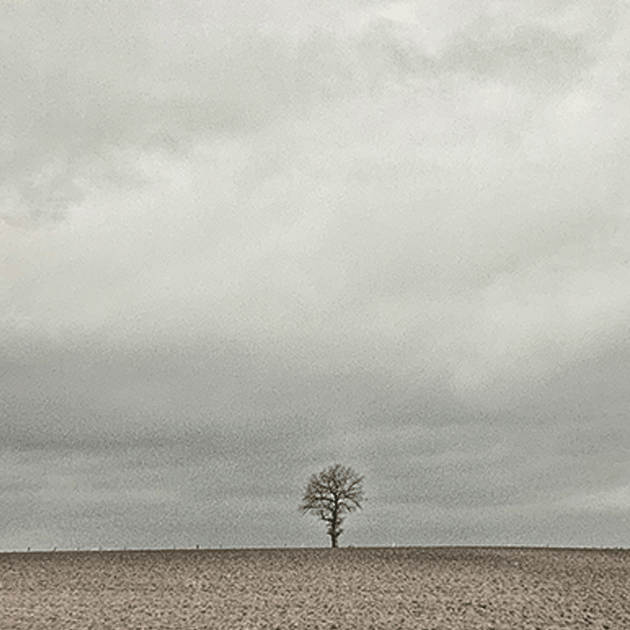
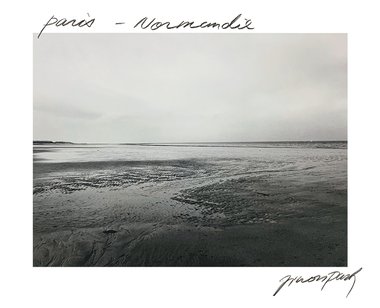
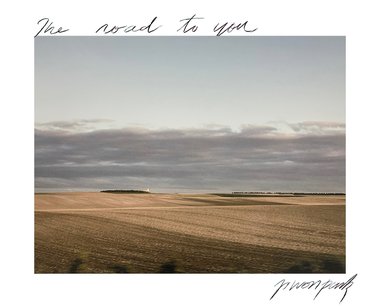
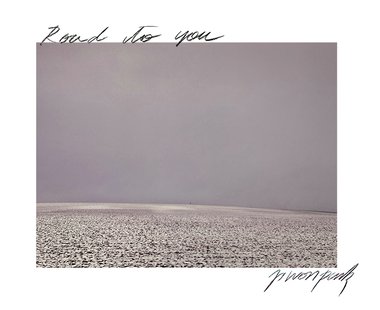
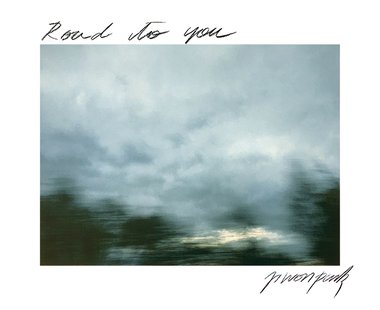
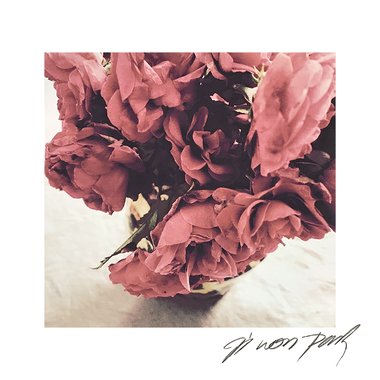
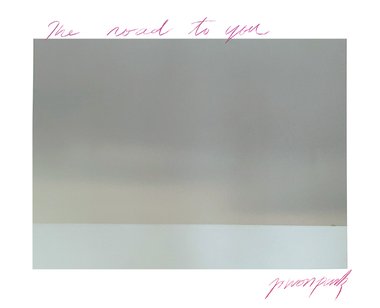
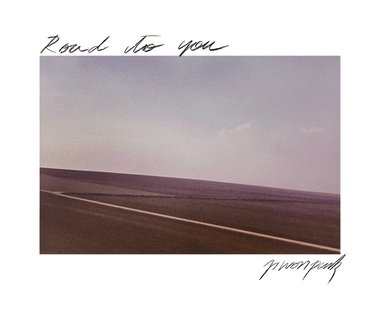
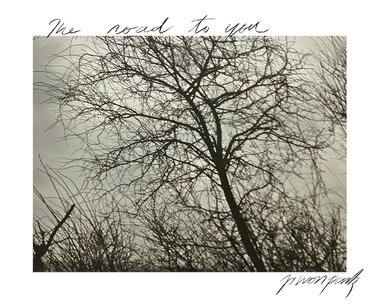
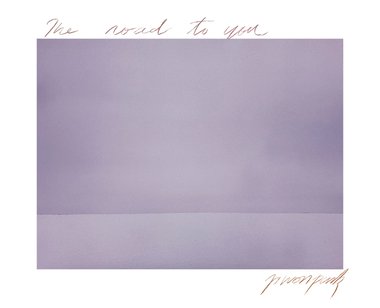
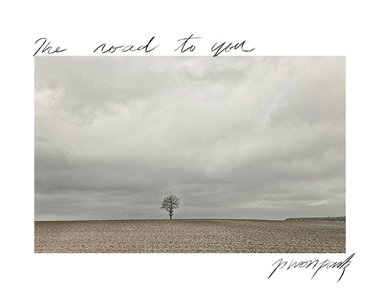
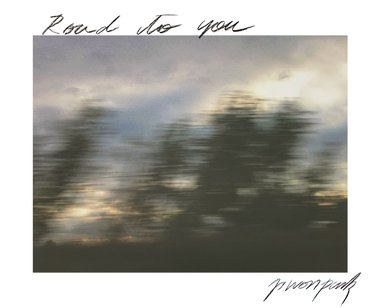
박지원은 이화여자대학교 서양화과를 졸업한 후, 미국 파슨스 스쿨 패션디자인과를 수료한 뒤, 귀국 후 ‘Park Ji Won’이라는 브랜드를 런칭하며 디자이너로 활동하였다. 결혼 후 한국을 떠나, 대부분의 작품에서 'Road to You'라는 제목을 사용하며 해외에 거주하는 아이들을 만나러 가는 길의 풍경을 담아냈다.
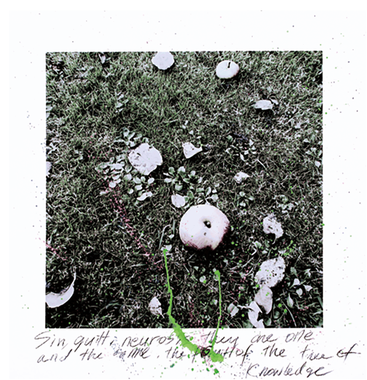
그의 작품은 처음에는 반복되는 지루한 풍경처럼 보이지만, 그 속에는 아이들을 향한 엄마의 끝없는 사랑과 여정이 담겨 있다. ‘Road to You’ 시리즈는 기차를 타고 여행하면서 찍은 사진을 기반으로 만들어진 작품으로, 여행의 설렘과 돌아오는 길의 슬픔을 감정적으로 표현하고 있다. 기차 창문을 통해 스쳐 지나가는 풍경들은 박지원만의 사적인 이야기를 투영하는 매개체로서 기능한다.
박지원은 사진을 통해 가장 보편적인 공감대를 형성하려고 했다. “아이들이 독일에 살고 있어 적어도 한 달에 한 번 기차를 타죠. 한 번 가는 데 1만 2,000km쯤 되는 여정이 4년째 이어지고 있어요. 여행에서 찍은 사진으로 구성한 나만의 이야기예요. 기차에서 보는 풍경은 늘 같지만 갈 때는 설렘, 돌아올 때는 슬픔이 담겨서인지 결과가 다르더군요. 찍은 사람의 감정이 고스란히 투영되는 게 사진인 것 같아요”라고 말하며, 그의 작품은 사적인 감정을 보편적인 이야기로 변환시킨다.
Park Ji Won graduated from the Department of Western Painting at Ewha Womans University and completed her studies at the Parsons School of Design in the United States. After returning to Korea, she launched her own brand, “Park Ji Won,” and worked as a designer. Following her marriage, she moved abroad, where most of her works focus on the landscapes encountered on the journey to meet her children living overseas, often titled "Road to You."
Initially, her works appear as monotonous landscapes, but they carry the profound theme of a mother’s endless love and journey toward her children. The "Road to You" series, based on photographs taken during her travels by train, conveys the emotional ups and downs of excitement when going and the sadness of returning. The landscapes that pass by through the train window serve as a medium to reflect the most personal story of the artist.
Park Ji Won aimed to create a universal connection through her photographs: "My children live in Germany, so I take the train at least once a month. The journey is about 12,000 kilometers one way, and it has been ongoing for four years. It’s a personal story composed of photos taken during my travels. The scenery I see from the train is always the same, but the results are different because there is excitement when going and sadness when coming back. I think photography reflects the emotions of the person who took it.” Her work transforms her private emotions into a universal narrative.