박구환 PARK GU HWAN
박구환은 1991년 조선대학교 회화과를 마친 후, 1996년 동 대학원 미술학과를 졸업하며 본격적인 예술의 길에 나섰다. 금호갤러리(광주)에서의 첫 개인전을 시작으로 40여 회의 개인전과 평창비엔날레 특별전, 국제 판화교류전, 아시아 판화교류전 등 다양한 단체전에 참여하며 활발한 활동을 이어오고 있다.
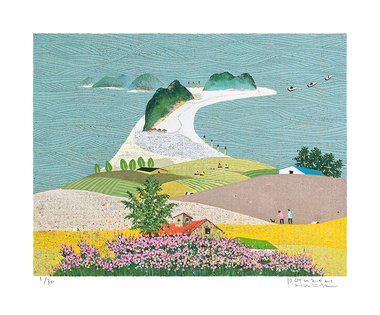
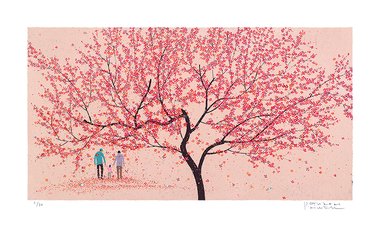
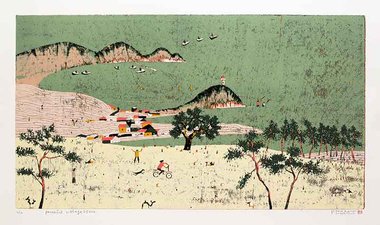
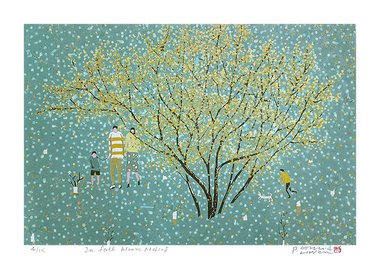
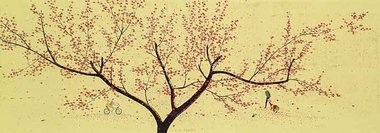
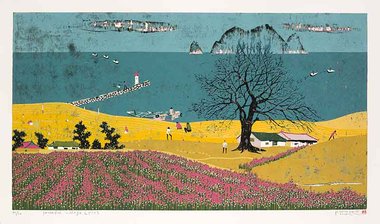
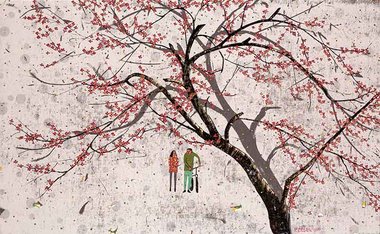
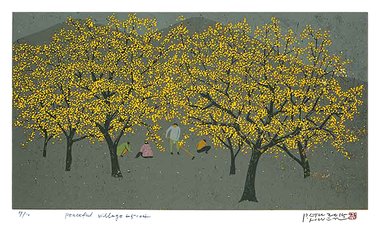
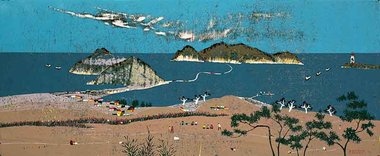
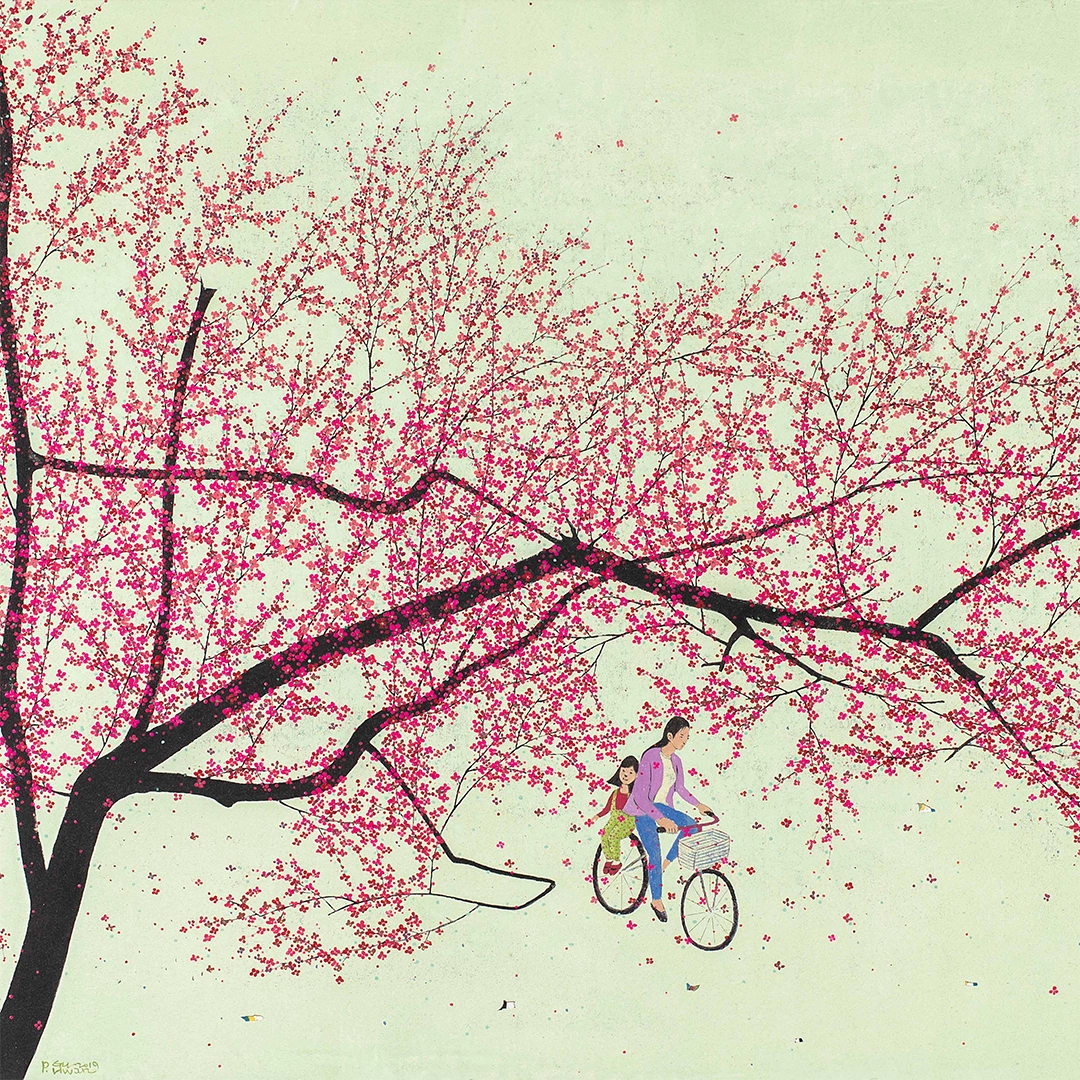
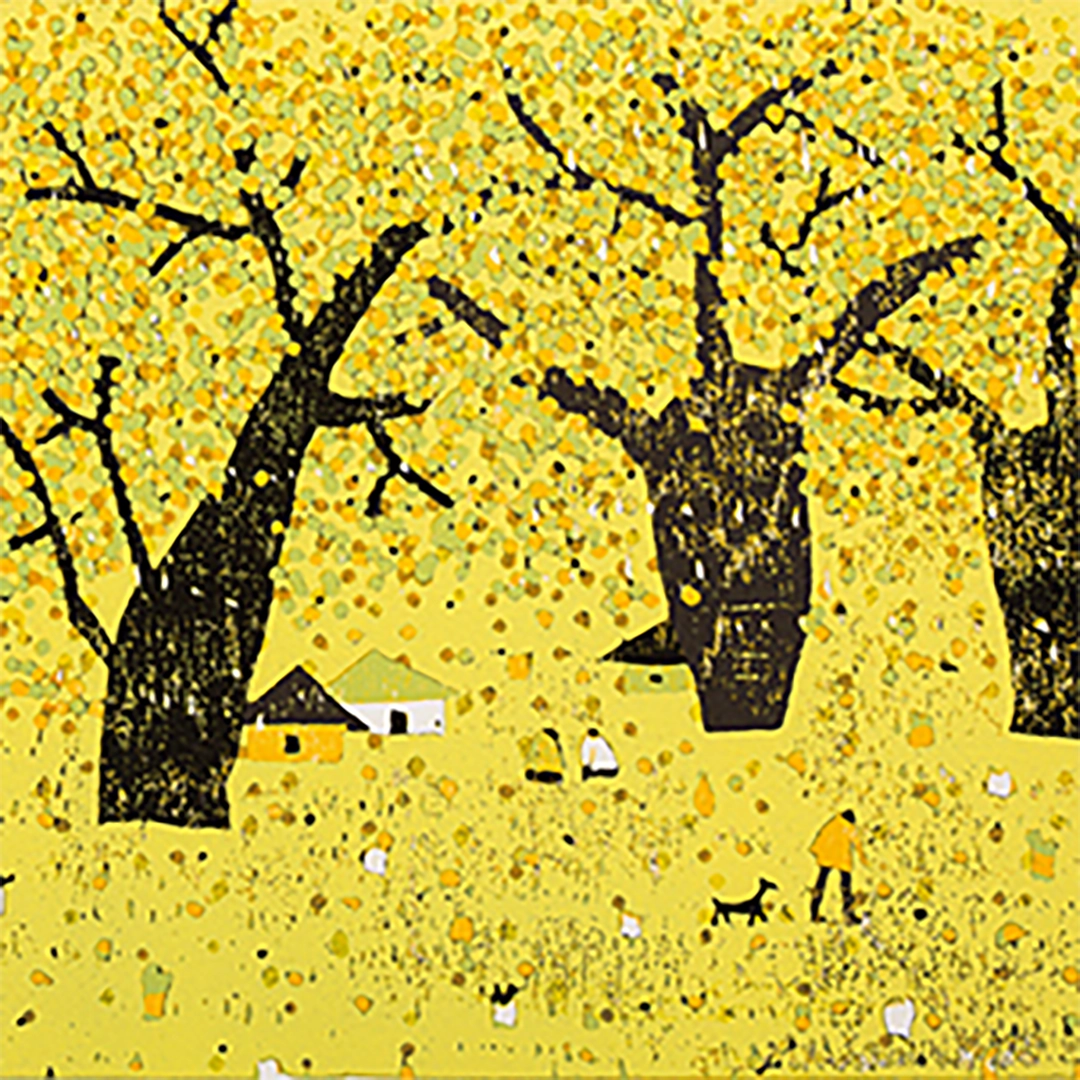
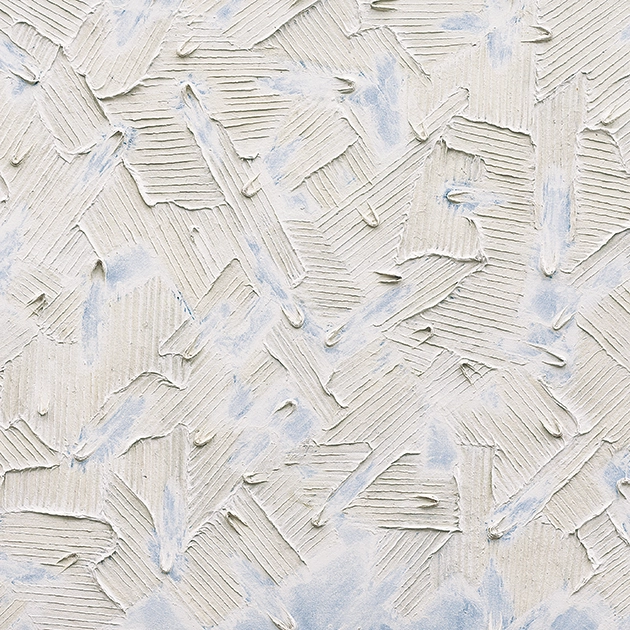
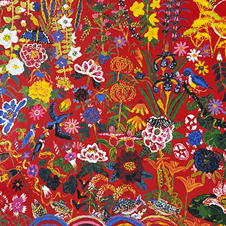
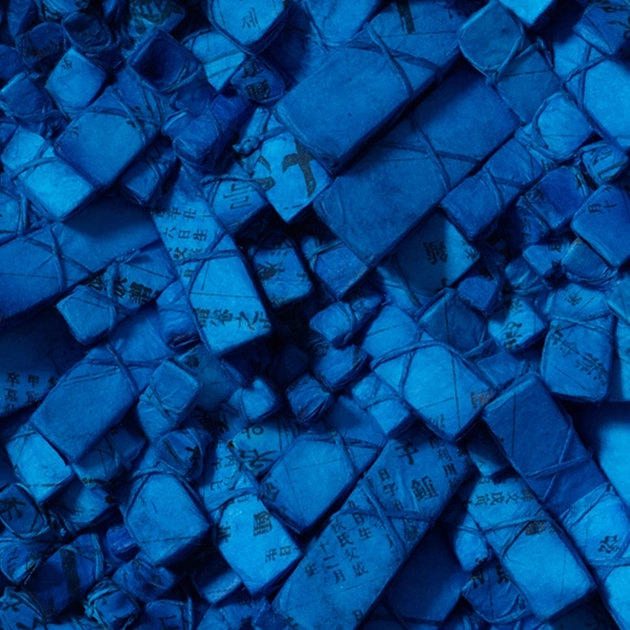
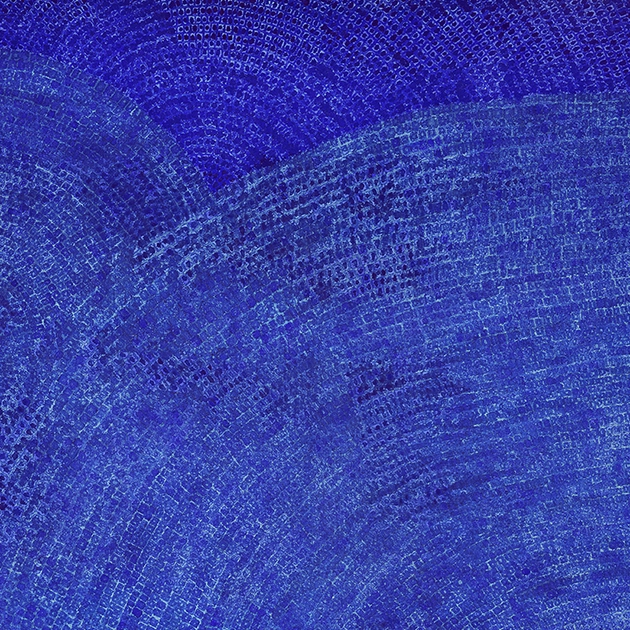
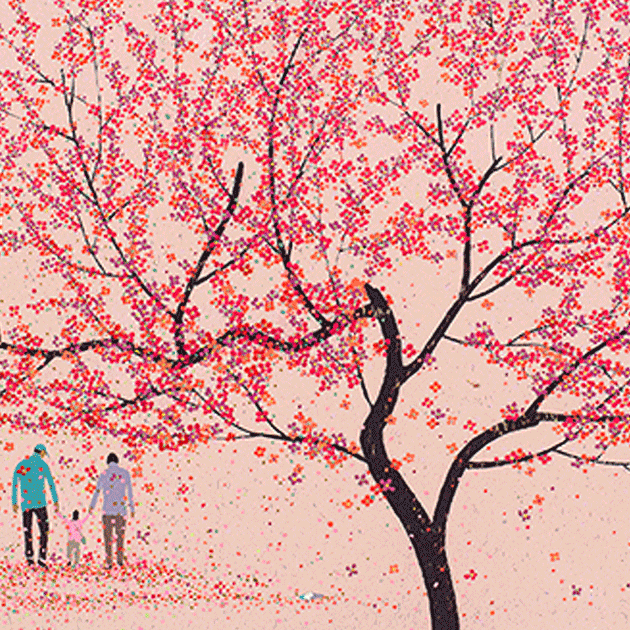
인생의 대부분을 도시에 살았지만, 그의 작품에는 바다가 삶의 터전인 섬마을의 풍경과 그곳 사람들의 이야기, 그리고 생명의 결실을 상징하는 화려한 꽃이 만개한 나무들이 주된 소재로 등장한다. 작가로서 힘든 시기를 겪던 중 도피처처럼 찾았던 섬과 바다에서 느낀 평온은 작품의 중심 주제가 되었고, 이는 삶의 희망을 상징한다.
그의 작품 속 풍경은 누구에게나 고향이면서도 동시에 누구의 고향도 아닌, 선명하면서도 흐릿한 유년의 기억을 담고 있다. 고향은 단순한 기억의 장소를 넘어 향기와 색, 형태, 일상의 소음까지 포괄하는 본질적인 감성의 공간이다. 박구환은 자신의 작품이 우리가 모두 그리워하는 익숙하고 정겨운 감각을 되살리며, 담담한 위로가 되기를 바란다고 말한다. 그의 작품은 국립현대미술관, 일본 사키마미술관, 광주시립미술관, 문화관광부 등에 소장되어 있다.
Park Guhwan completed his studies in Painting at Chosun University in 1991 and earned his master’s degree in Fine Arts from the same institution in 1996, marking the beginning of his full-fledged artistic career. Starting with his first solo exhibition at Kumho Gallery in Gwangju, he has held more than forty solo exhibitions and has actively participated in numerous group exhibitions, including special exhibitions at the PyeongChang Biennale, International Print Exchange Exhibitions, and Asian Print Exchange Exhibitions.
Although he has spent most of his life living in cities, the core subjects of his work are island villages where the sea is integral to daily life, the stories of the people who live there, and trees in full bloom symbolizing the fruition of life. During a difficult period in his career, the sense of calm he found in island villages and by the sea became a central motif in his work, coming to symbolize hope and renewal.
The landscapes in his paintings evoke childhood memories that are vivid yet blurred—places that feel like everyone’s hometown and yet belong to no one in particular. For Park Guhwan, home transcends mere recollection, encompassing an essential emotional space filled with scent, color, form, and even the sounds of everyday life. He hopes that his works will revive the familiar and comforting sensibilities we all long for, offering quiet consolation. His works are included in the collections of the National Museum of Modern and Contemporary Art, the Sakima Art Museum in Japan, Gwangju Museum of Art, and the Ministry of Culture and Tourism.