박창돈 PARK CHANG DORN
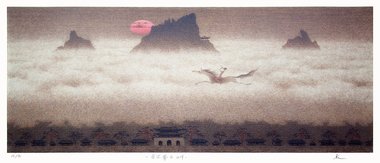
박창돈의 고향은 황해도 장연으로, 주변에 몽금포와 장산곶이 지척에 있을 만큼 자연 경관이 빼어난 곳이다. 그는 유년기와 소년기를 그곳에서 보낸 뒤 해주예술학교 미술과를 졸업하고 스물두 살의 나이에 서울로 내려왔다. 구순이 넘도록 다시 고향 땅을 밟지 못한 그는 눈앞에 보이지만 갈 수 없는 고향을 그리워하며 이를 화폭에 담아왔다.
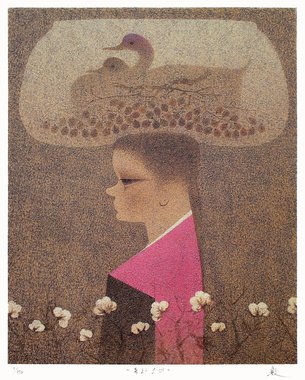
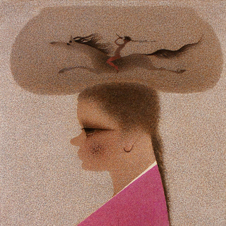
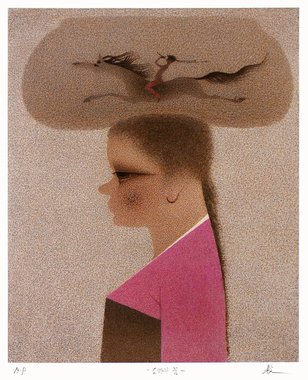
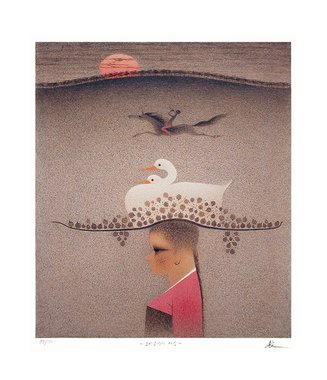
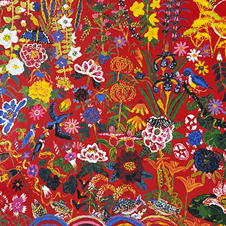
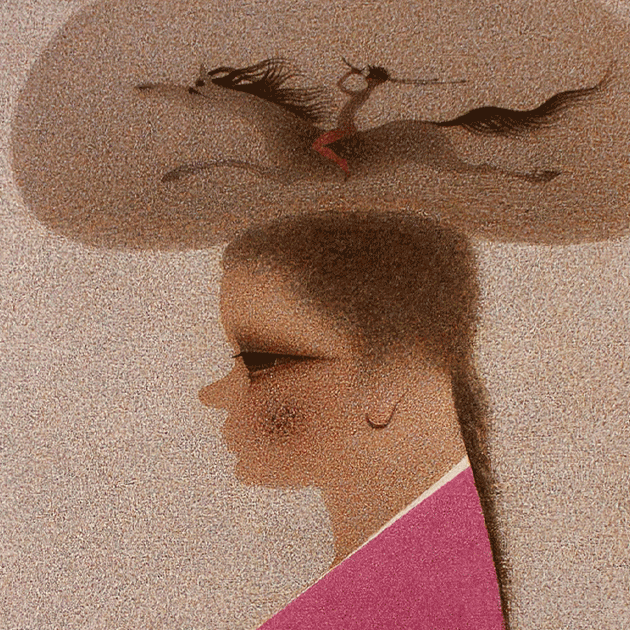
빼어난 자연환경 속에서 성장한 그는 환상적인 향토적 정서와 잃어버린 고향에 대한 기억을 가감 없이 표현했다. 시골 풍경 속 소년과 소녀, 초가집, 닭과 오리, 비둘기, 말과 소, 산과 바다, 하늘과 달 같은 우주적 존재들은 물론, 고대 토기 항아리와 조선시대 달항아리까지 망향의 상징으로 화면에 등장한다. 이를 통해 우리 문화의 근원과 한국적 이상향을 독창적인 예술세계로 구축했다.
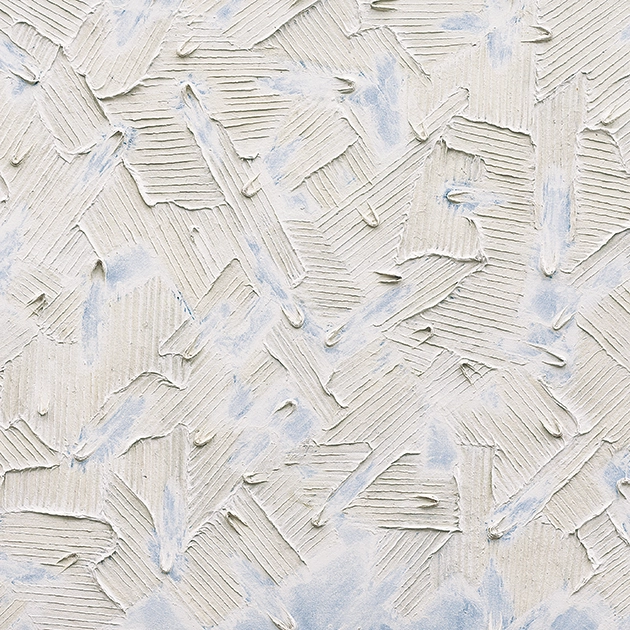
그의 작품은 유화를 기반으로 하지만 기름기를 덜어낸 토속적인 질감이 특징이다. 유화 특유의 번쩍이는 광택을 지양하고자 1970년대 후반부터는 낡은 벽화 같은 느낌을 구현하는 데 집중하며 자신만의 기법을 창안했다. 실향의 아픔과 한을 민족정신과 역사정신으로 승화시킨 그의 작업은 한국 현대미술사에서 드물게 서사성을 지닌 작품 세계로 평가받고 있다.
Park Changdorn was born in Jangyeon, Hwanghae Province, an area blessed with outstanding natural scenery near Monggeumpo and Jangsan Cape. After spending his childhood and youth there, he graduated from the Department of Fine Arts at Haeju Art School and moved to Seoul at the age of twenty-two. Unable to set foot on his homeland again for over ninety years, he has long painted the image of a homeland that is visible yet unreachable.
Growing up amid magnificent landscapes, he expressed with unfiltered sincerity the fantastical local sentiment and memories of a lost hometown. Boys and girls in rural scenes, thatched houses, chickens, ducks, pigeons, horses, and oxen appear alongside mountains, seas, skies, and moons—eternal cosmic elements—as well as ancient earthenware jars and Joseon-era moon jars, all serving as symbols of homesickness. Through these motifs, he constructed a unique artistic world rooted in the origins of Korean culture and an idealized Korean vision.
Although his works are painted in oil, they are distinguished by an earthy, de-oiled texture. Disliking the glossy sheen typical of oil painting, he focused from the late 1970s on creating surfaces reminiscent of aged murals, developing his own distinctive technique. By transforming the pain and sorrow of displacement into a sense of national and historical consciousness, Park Changdorn left behind rare narrative works that occupy a singular place in the history of modern Korean art.