이영학 LEE YOUNG HAK
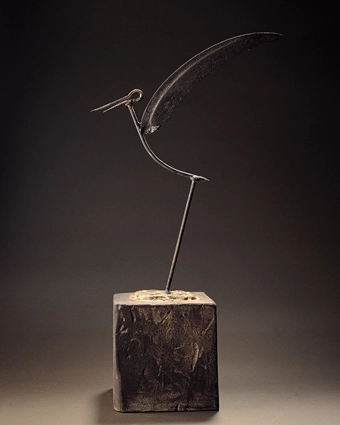
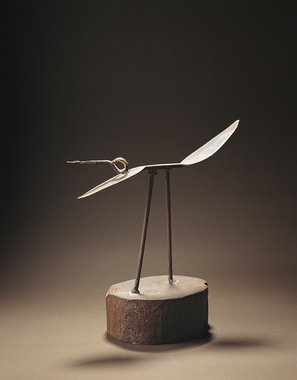
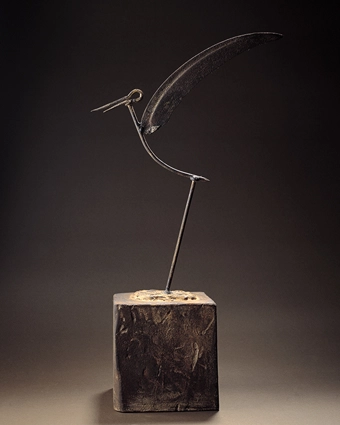
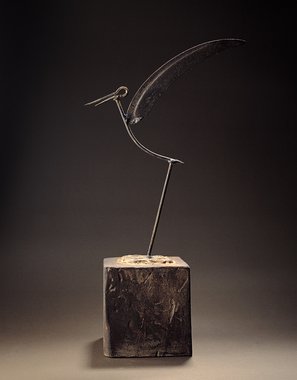
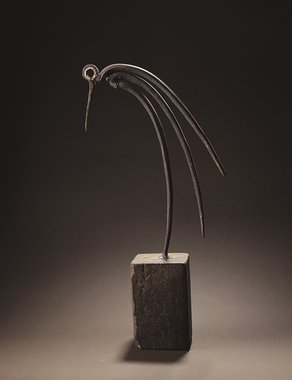
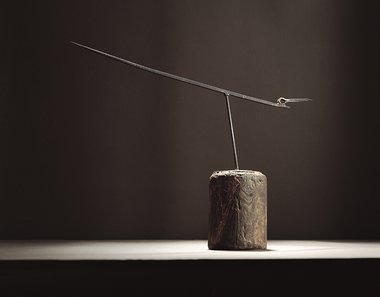
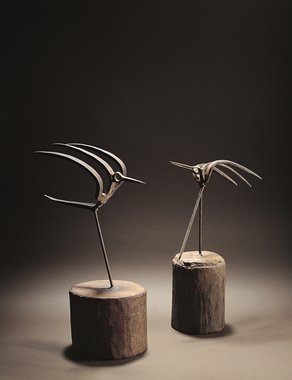
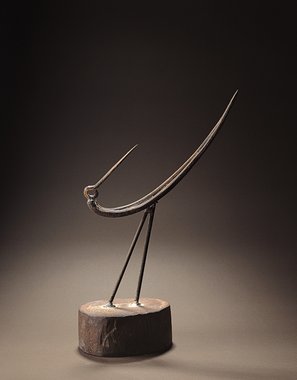
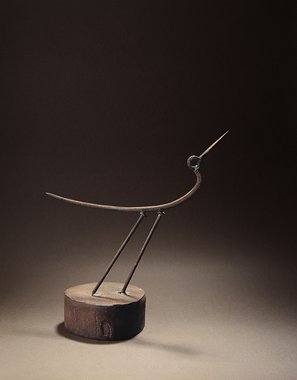
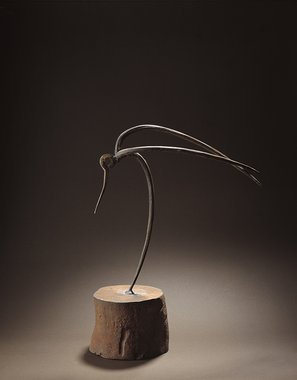
이영학은 한국 현대조각에 깊은 발자취를 남긴 조각가이다. 서울대학교 조소과를 졸업한 그는 이탈리아 로마 예술원과 시립 장식미술학교에서 수학했으며, 이후 서울대학교 대학원에서 석사 과정을 마쳤다. 오랜 시간 두상을 중심으로 한 인물 조각을 제작해 왔으며, 1990년대 이후에는 호미, 가위, 숟가락, 연탄집게 등 일상 용품을 활용해 동물 형상을 조각하는 작업을 선보였다.
그의 작업에서 핵심을 이루는 주제는 ‘물확’이다. 물확의 ‘확(確)’은 절구의 구멍을 의미하며, 홈을 파 물을 담는 데 사용되는 석물이다. 삼국시대까지 거슬러 올라갈 만큼 오랜 역사를 지닌 물확은 처음에는 절구와 같은 실생활 도구로 사용되었다.
이후 물을 담으면 거울처럼 주변 풍경을 비춘다는 특성이 재발견되면서, 물확은 뜰을 장식하는 석물로 그 위상이 변화했다. 가을 낙엽 하나만 떠 있어도 깊은 운치를 자아내는 물확은, 그 자체로 자연을 담아내는 그릇이자 이영학 조형 세계의 본령을 이루는 상징적 대상이다.
Lee Younghak is a sculptor who has left a profound mark on the history of contemporary Korean sculpture. He studied sculpture at Seoul National University, continued his education at the Academy of Fine Arts in Rome and a municipal school of decorative arts in Italy, and completed his master’s degree at Seoul National University. For many years, he focused on figurative sculpture centered on the human head, later expanding his practice in the 1990s to include animal forms created from everyday tools such as hoes, scissors, spoons, and coal tongs.
At the core of his artistic practice lies the “Mulhwak,” a traditional stone vessel. The term “hwak” refers to the hollow of a mortar, describing a carved cavity designed to hold water. With a history dating back to the Three Kingdoms period, the mulhwak was originally used as a functional household object, much like a mortar.
Over time, its reflective quality—mirroring the surrounding landscape when filled with water—was rediscovered, elevating the mulhwak into a sculptural element used to adorn gardens. Capable of evoking quiet depth with nothing more than a single fallen leaf floating on its surface, the mulhwak functions as a vessel that holds nature itself, embodying the essence of Lee Younghak’s sculptural philosophy.