김환기 KIM WHAN KI
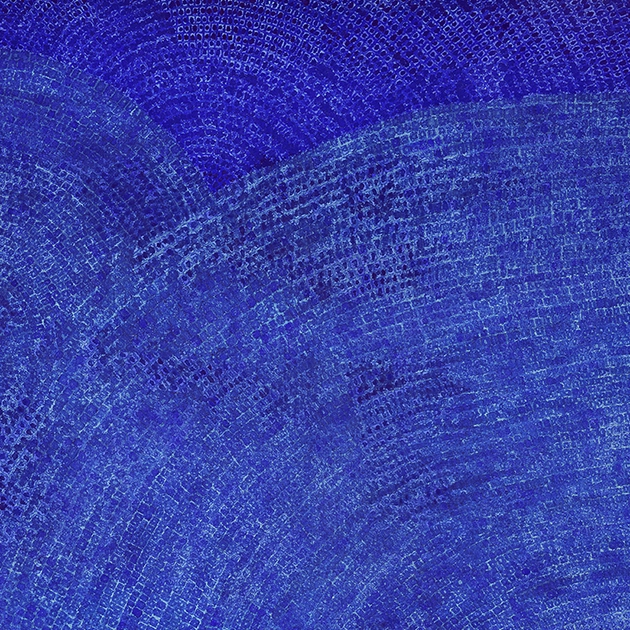
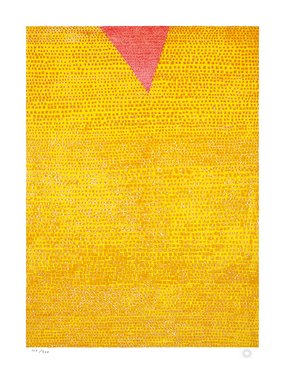
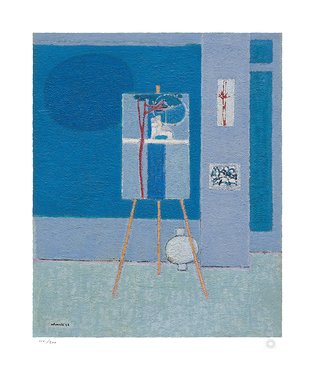
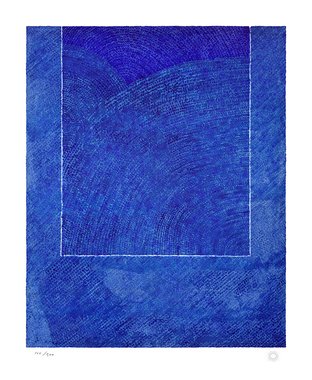
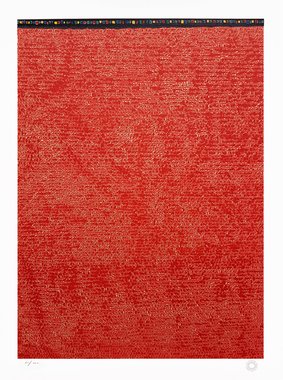
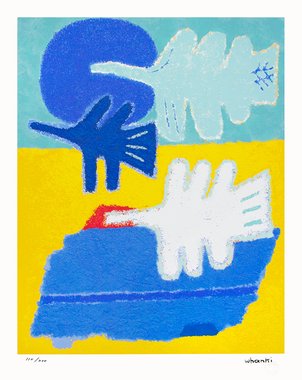
한국 추상미술의 선구자였던 김환기. 그는 우리 산천과 달, 구름 등 자연의 모습을 서정적이고 세련된 조형 언어로 표현하였다. 김환기는 1913년에 남도의 작은 섬마을에서 태어나 1933년 일본 동경으로 유학하였다. 당시 전위적인 활동의 하나였던 추상미술을 시도하고 한국적 서정 주의를 서구의 모더니즘에 접목하여 독보적인 예술세계를 정립했다.
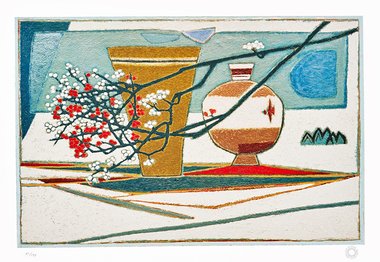
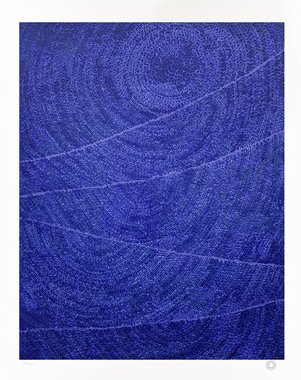
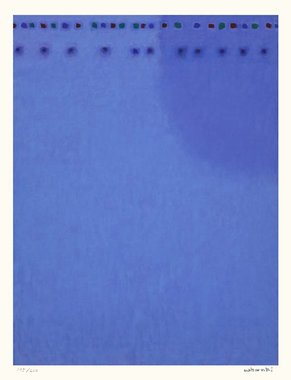
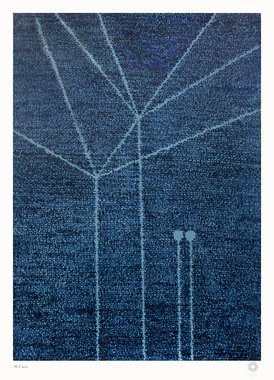
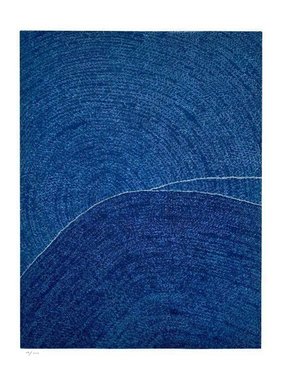
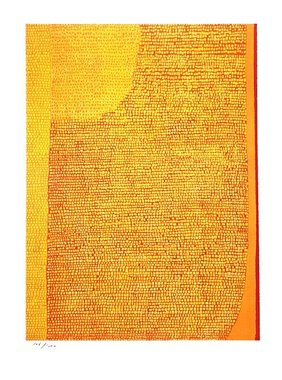
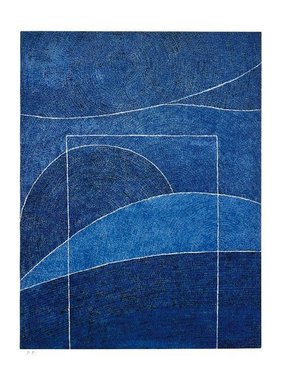
선명한 우리 민족의 정취를 세계인이 공감하는 정제된 조형 언어와 명상적인 색감에 구현하여 뉴욕과 파리 등 세계 예술의 중심지에서 이름을 알렸다. 1950년대에는 산, 달, 매화, 달항아리 등 우리의 자연과 전통 기물에 담긴 아름다움을 소재로 더욱 밀도 높고 풍요로운 표현으로 한국적 정서를 조형화했다. 상파울루 비엔날레 특별상을 받은 1963년, 뉴욕에서 또 다른 도전을 시작한 김환기는 점, 선, 면의 순수 조형 언어로 보다 내밀한 서정의 세계를 심화시키며 한국적 서정 추상미술을 널리 알리게 되었다. 누구보다 서양미술을 풍부하게 경험했지만, 그 정신에 있어서는 동양의 전통을 계승하고 예술을 통해 자연으로 돌아가고자 했던 이 시대의 문인 화가였다.
1992년에는 그의 예술정신을 기리기 위해 서울 종로구 부암동에 ‘환기미술관’이 세워졌고, 그의 생가인 ‘신안 김환기 고택’은 2007년 국가지정문화재 중요민속자료 251호로 지정되었다. 동양 철학과 민족 정서를 서구 모더니즘에 접목해 독보적인 예술세계를 구현하였고, 일본, 파리, 뉴욕 등 세계적인 미술시장에서 활약했다. ‘나는 누구인가, 어디에서 왔으며 어디를 향해 가고 있는가?’는 작가가 일관되게 성찰한 화두이다. 그의 예술성은 자연에서 우주로, 구상에서 추상의 세계로 뻗어나간다.
Kim Whanki was a pioneer of Korean abstract art. He expressed the landscapes of Korea—its mountains and rivers, the moon, and clouds—through a lyrical and refined visual language. Born in 1913 in a small island village in the southern part of Korea, Kim traveled to Tokyo in 1933 to study abroad. There, he experimented with abstract art, then considered part of avant-garde practice, and established a singular artistic world by integrating Korean lyricism with Western modernism. By translating the distinctive sensibility of Korean culture into a distilled formal language and meditative color palette that resonated with audiences worldwide, he gained international recognition in major art centers such as New York and Paris.
In the 1950s, Kim further deepened and enriched his expression by drawing on the beauty of Korea’s nature and traditional objects—mountains, the moon, plum blossoms, and the moon jar—shaping Korean sentiment into visual form. In 1963, the year he received a Special Prize at the São Paulo Biennale, Kim began a new phase of challenge in New York. There, he intensified a more intimate lyrical world through the pure formal language of dots, lines, and planes, helping to widely introduce Korean lyrical abstraction to the global art scene. Although he experienced Western art more fully than most of his contemporaries, his artistic spirit remained rooted in Eastern tradition, and he can be seen as a literati painter of his time who sought to return to nature through art.
In 1992, the Whanki Museum was established in Buam-dong, Jongno-gu, Seoul, to honor his artistic legacy, and in 2007 his birthplace, the Sinan Kim Whanki House, was designated National Folklore Cultural Heritage No. 251. By fusing Eastern philosophy and national sentiment with Western modernism, Kim Whanki realized an unparalleled artistic vision and was active in major art markets across Japan, Paris, and New York. “Who am I, where have I come from, and where am I headed?” was a central question he contemplated throughout his life. His artistic vision expands from nature to the cosmos, and from figuration to abstraction.