김강용 KIM KANG YONG
- Connect
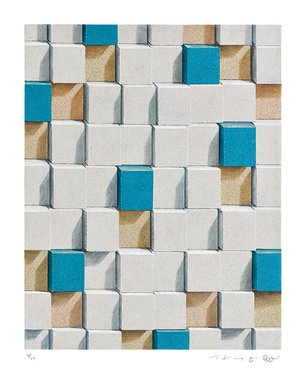
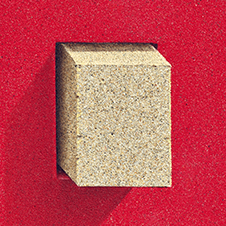
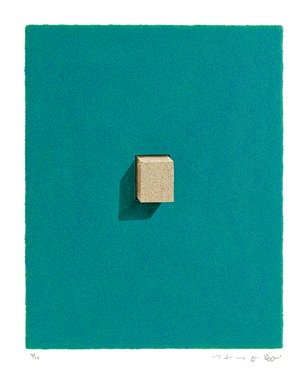
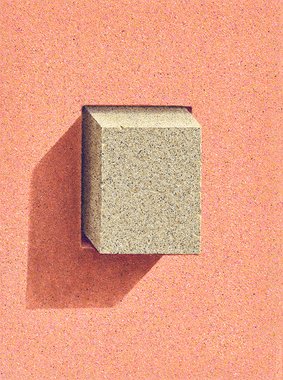
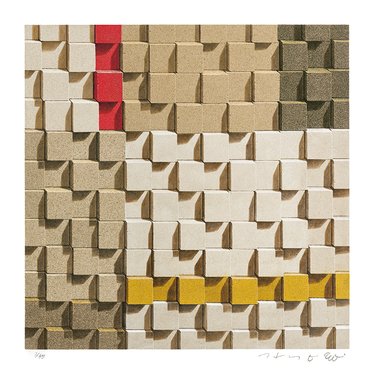
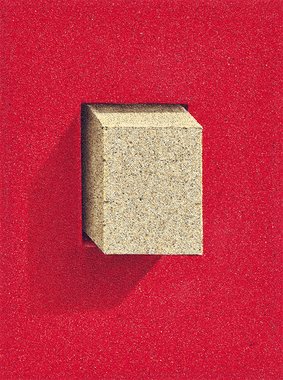
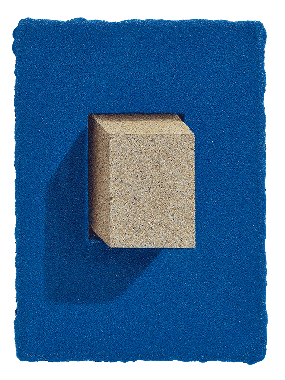
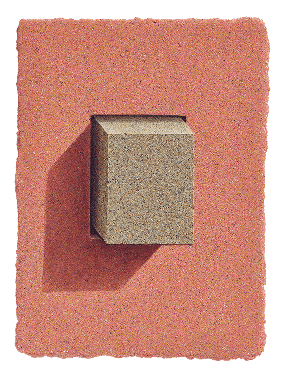
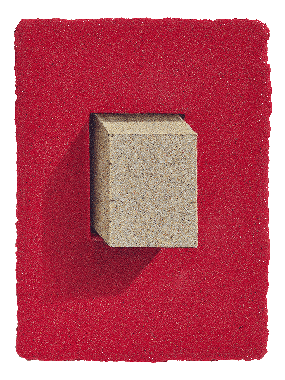
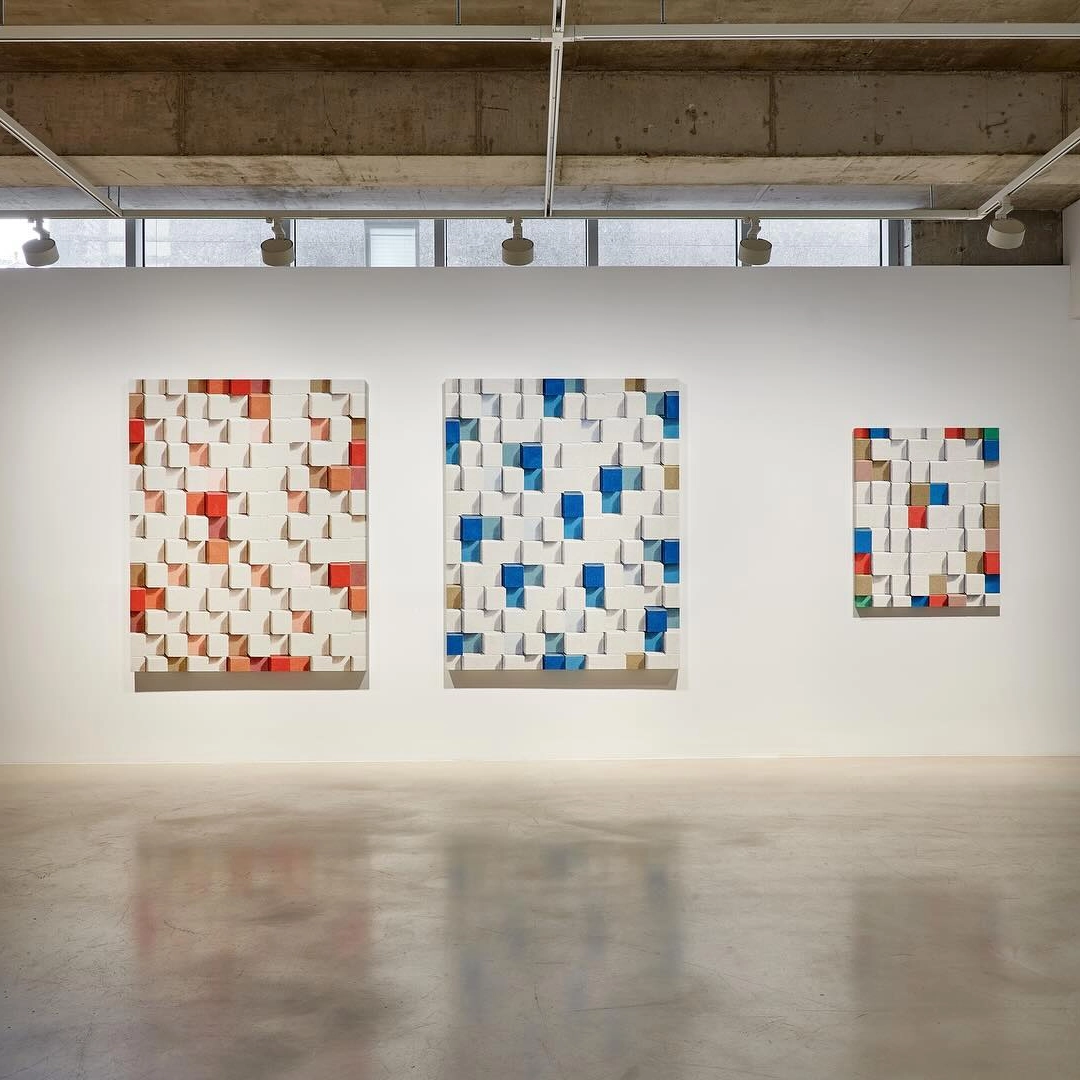
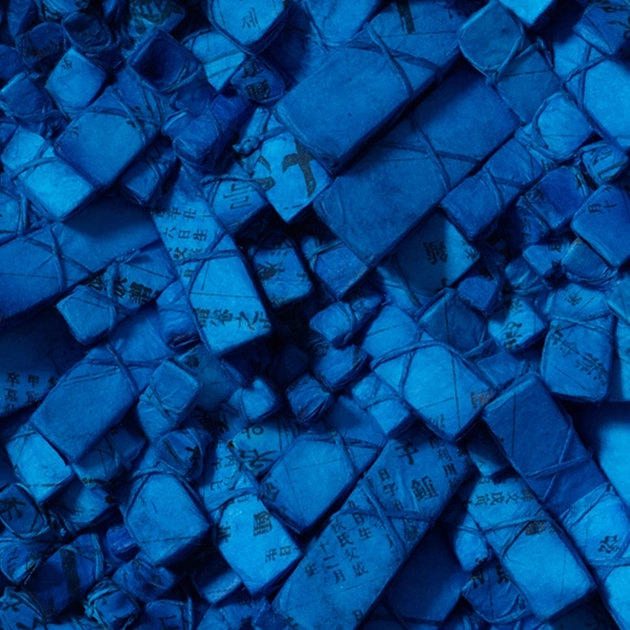
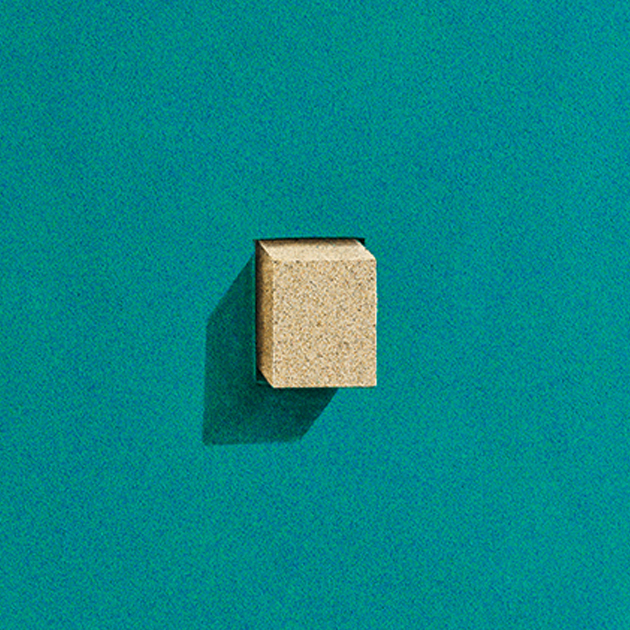
김강용의 작품 세계는 실재와 환영, 이미지와 믿음의 경계를 탐구하는 데서 출발한다. 화면 속에 반복적으로 등장하는 벽돌은 실제 건축 자재처럼 보이지만, 사실은 모래와 안료, 치밀한 음영 처리로 만들어진 회화적 이미지로, 관람자는 그것을 실물로 착각하게 된다. 작가는 일상적이고 익숙한 사물인 벽돌을 선택함으로써, 우리가 현실이라고 인식하는 대상이 얼마나 쉽게 이미지로 전환될 수 있는지를 드러내며, ‘보는 것’과 ‘존재하는 것’ 사이의 간극을 질문한다.
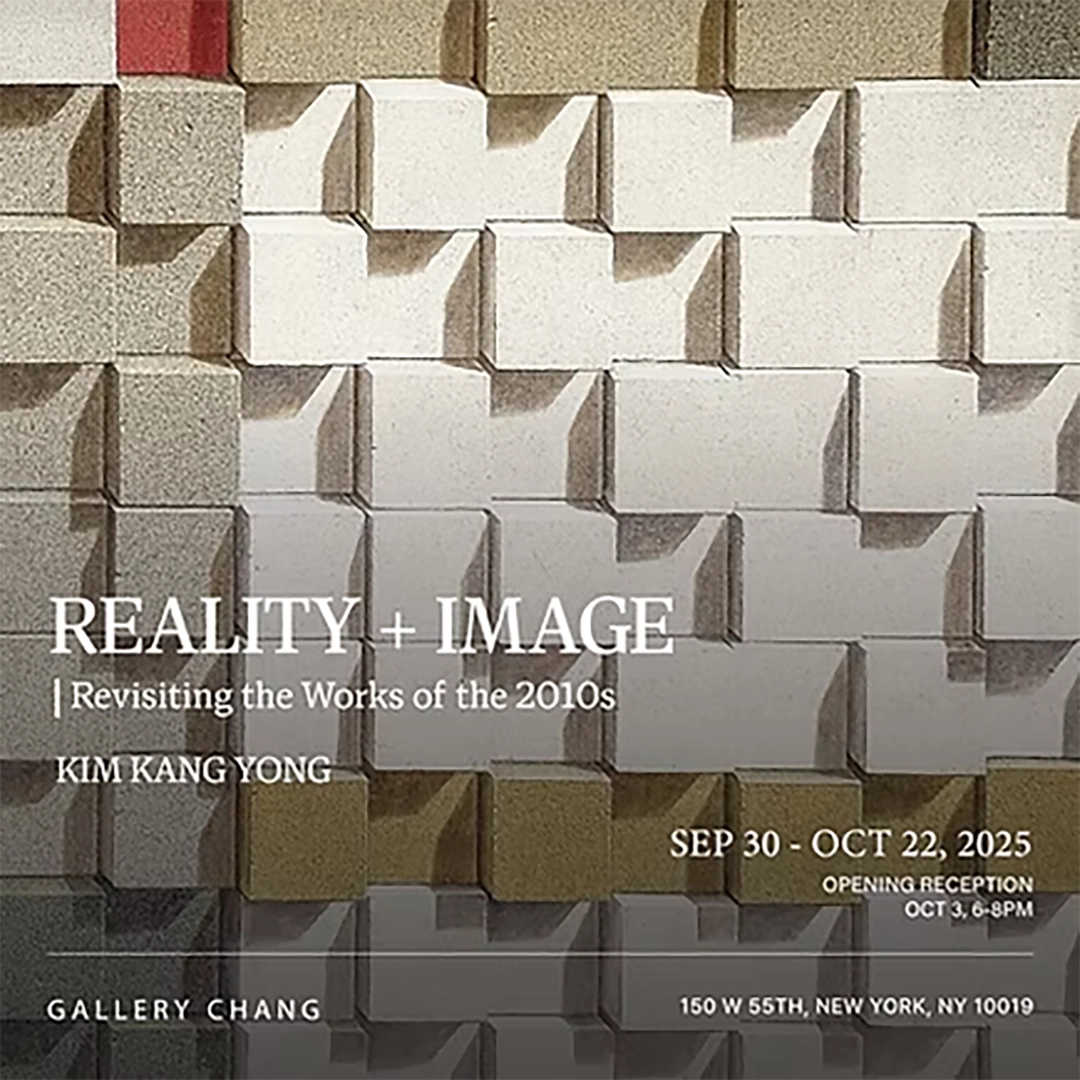
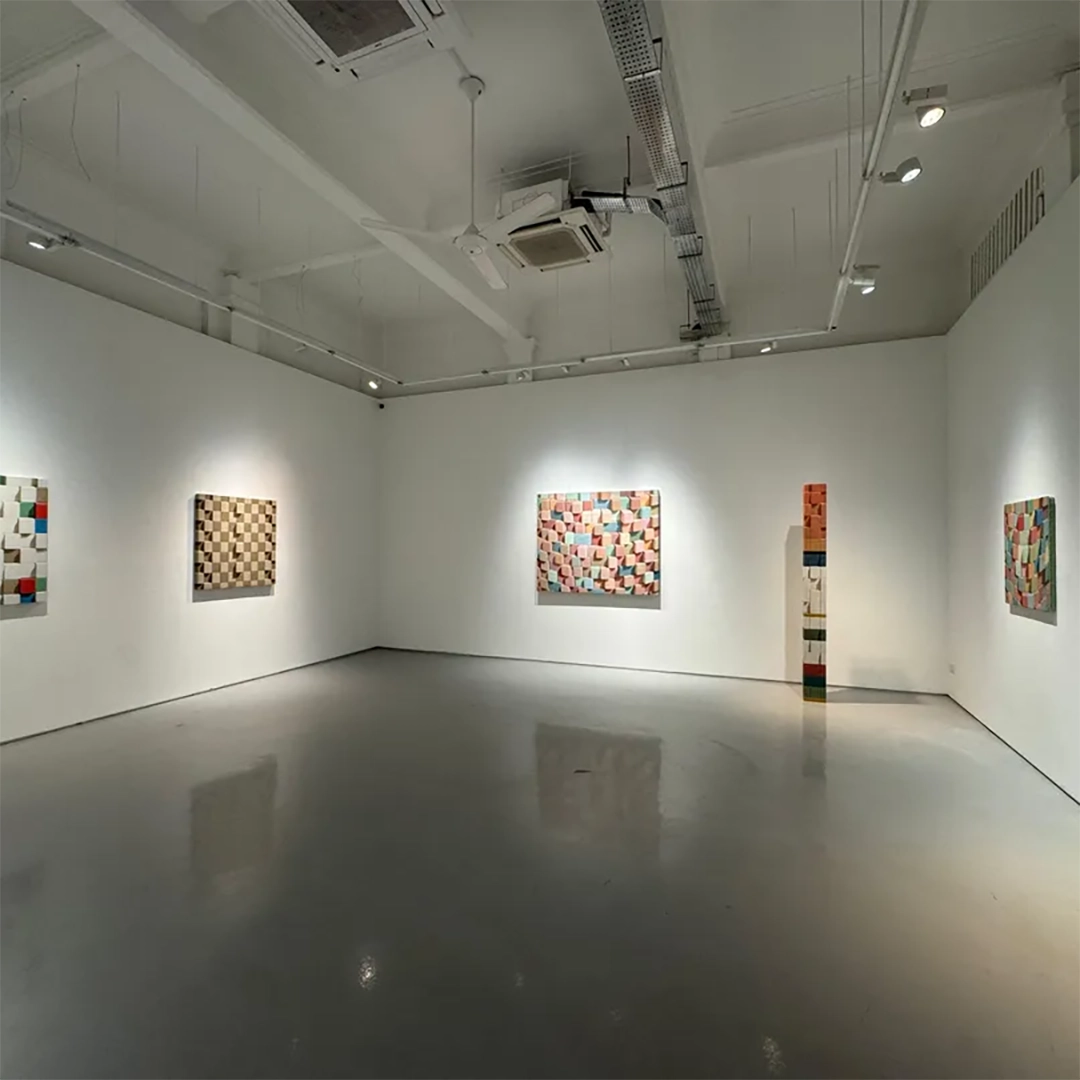
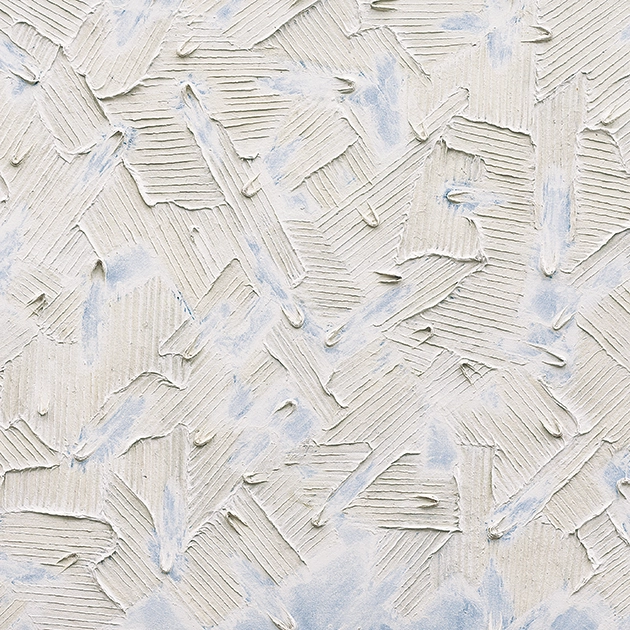
1970년대 후반부터 사용해 온 모래라는 재료는 캔버스 표면에 물질적 질감을 부여하고, 그림자를 통해 평면 위에 입체적 착시를 만들어내는 핵심 요소로 작용한다. 규칙적으로 반복되는 벽돌의 배열은 질서와 균형, 긴장감을 형성하며 미니멀한 조형 언어를 띠지만, 최근에는 벽돌이 무질서하게 쌓이거나 흩어진 형태로 변주되면서 반복의 리듬과 구성의 확장을 보여준다. 더 나아가 벽돌 이미지는 캔버스를 넘어 기둥과 같은 입체 구조로 확장되며, 하나의 평면적 환영이 공간 전체로 퍼져 나가는 경험을 만들어낸다. 이처럼 김강용의 작업은 극사실적으로 보이지만 어디까지나 환영에 기반한 이미지로서, 회화가 만들어내는 시각적 착시와 조형 질서를 통해 현실과 허상의 경계를 끊임없이 교란한다.
김강용 작가의 예술 여정은 한국 현대미술사에서 중요한 발자취를 남기며 당대 구상 회화에 새로운 바람을 불러일으켰다. ‘벽돌 화가’로 알려져 있으며 그의 작품은 단순한 벽돌을 넘어 인간, 그리고 인간의 삶과 정서를 담아내며 깊은 울림을 전달하고 있다. 우리나라 극사실 그룹을 주도하며 전통적인 회화 재료를 벗어나 모래와 접착제 등을 활용하여 벽돌을 사실적으로 화폭에 담아낸다.
그는 50년 이상 회화의 본질을 탐구해 오며 자신만의 독보적인 예술세계를 구축하였으며, 2000년대 이후 구상과 추상의 경계를 허무는 단계로 도약했다는 평가를 받았다. 2005년, 작업에 오롯이 몰두하고자 미국행을 감행하였고, 당시 뉴욕의 빌딩들이 다양한 색의 벽돌로 지어진 것을 보고 영감을 얻어, 이후 모노톤의 회벽 단색에서 점점 다채로운 멀티 컬러로 확장하였다. 그의 작품은 사실적이면서도 추상적인 새로운 회화의 지평을 열었으며, 이후 미국 및 유럽의 주요 프리미엄급 아트페어 시장에서 주목받게 되었다. 그의 작품은 서울시립미술관, 국립현대미술관, 성곡미술관등 다양한 컬렉션에 소장되어 있다.
Kim Kang-yong’s artistic practice begins with an inquiry into the boundaries between reality and illusion, image and belief. The bricks that repeatedly appear on his canvases seem at first glance to be actual building materials, yet they are in fact painterly images constructed through sand, pigment, and meticulously rendered shading, leading viewers to mistake them for real objects. By choosing the brick—an ordinary and familiar object—the artist reveals how easily what we perceive as reality can be transformed into an image, and he poses fundamental questions about the gap between “seeing” and “being.” Since the late 1970s, sand has served as a key material in his work, imparting a tactile surface to the canvas and creating three-dimensional optical illusions through the depiction of shadows. The regular repetition of bricks forms a sense of order, balance, and tension, giving rise to a minimalist visual language; more recently, however, the bricks have been arranged in disordered or scattered formations, expanding the rhythm of repetition and compositional possibilities. Furthermore, brick imagery has moved beyond the canvas into three-dimensional structures such as columns, generating an experience in which a planar illusion spreads throughout the surrounding space. Though his works appear hyperrealistic, they are ultimately images grounded in illusion, continually disrupting the boundary between reality and fiction through visual deception and formal order produced by painting.
Kim Kang-yong’s artistic journey has left a significant mark on the history of Korean contemporary art, introducing a new current into figurative painting of his time. Known as the “brick painter,” his works transcend the simple motif of bricks to convey profound resonance with human life and emotion. As a leading figure in Korea’s hyperrealist movement, he departed from traditional painting materials by employing sand and adhesives to render bricks with striking realism on the canvas. Over more than fifty years, he has persistently explored the essence of painting, building a singular and unmistakable artistic world of his own, and since the 2000s he has been widely regarded as having advanced into a phase that dissolves the boundary between figuration and abstraction. In 2005, seeking complete immersion in his work, he moved to the United States, where the sight of New York buildings constructed from bricks of various colors inspired him to expand his palette from monochromatic gray plaster tones to increasingly vibrant multicolored compositions. His works have opened a new pictorial horizon that is at once realistic and abstract, drawing attention in major premium art fairs across the United States and Europe. Kim Kang-yong’s works are held in numerous public collections, including the Seoul Museum of Art, the National Museum of Modern and Contemporary Art, Korea, and the Sungkok Art Museum.