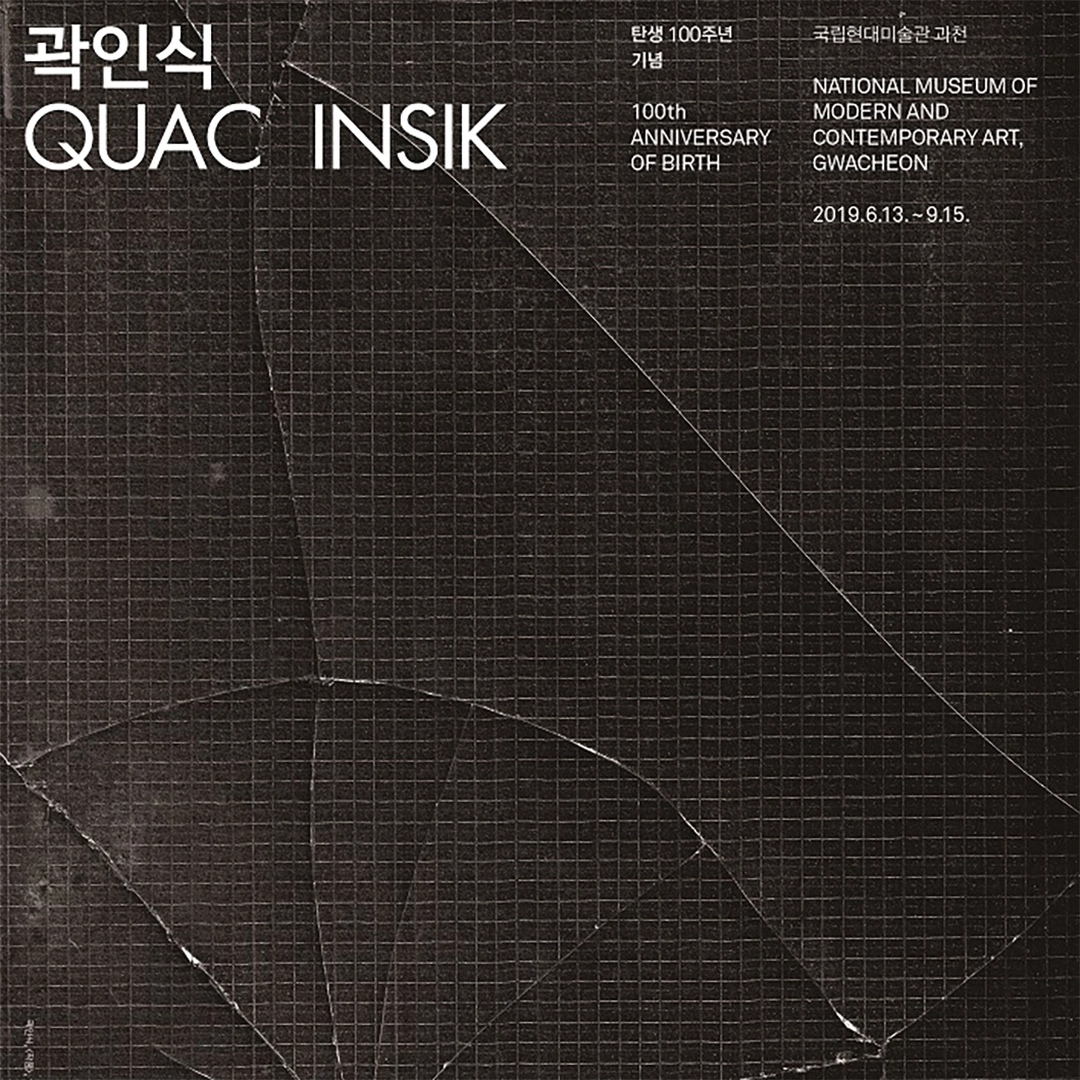
곽인식 QUAC IN SIK

1919년 한국에서 태어난 곽인식은 1930년대 일본으로 건너가 동경미술학교에서 미술을 전공하며 예술의 길을 걸었다. 1950년대 중반 이후, 그는 서구 미술의 주요 흐름을 탐구하는 한편, 자신만의 독창적인 미술 언어를 찾기 위해 다양한 실험을 시도했다.
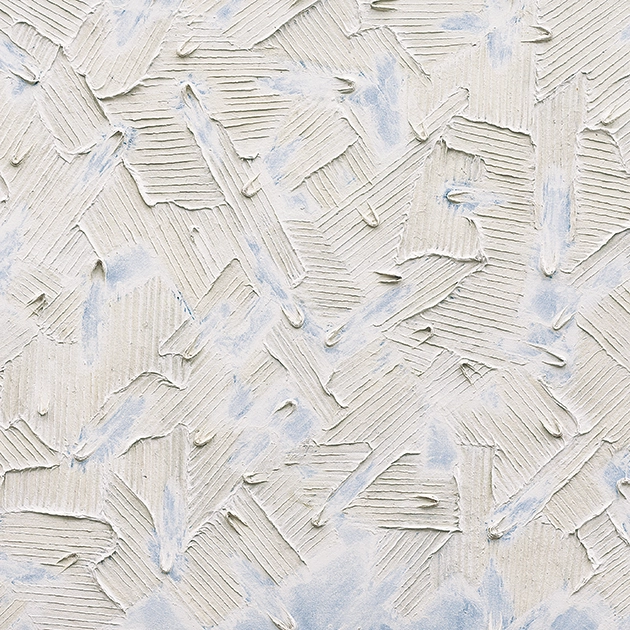
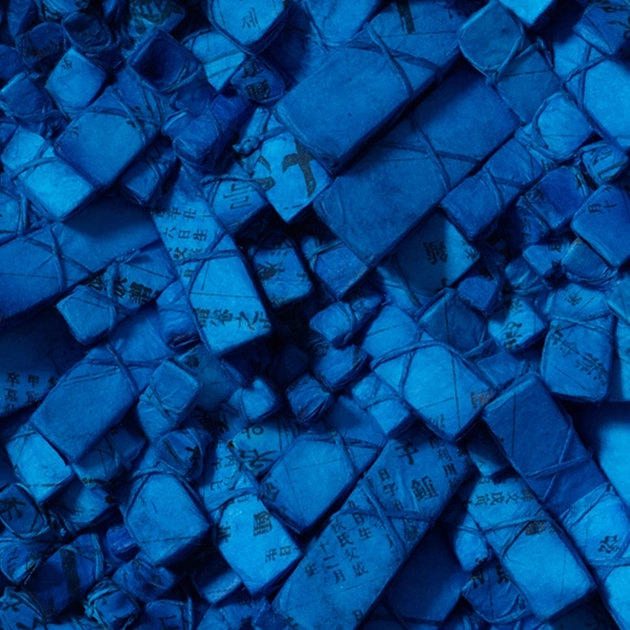
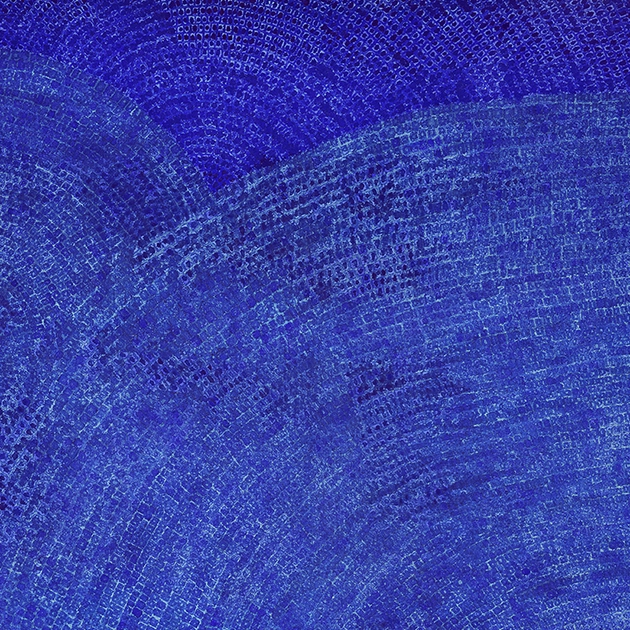
1960년대 초, 그는 재료의 물성에 집중한 작품을 선보이며 화면에 변형을 가하거나 돌, 유리, 철판 등 일상적인 재료를 사용해 창작의 영역을 확장했다. 그는 “사물의 말을 듣는다”는 표현처럼, 재료와의 수행적 관계를 통해 물성을 탐구했다.
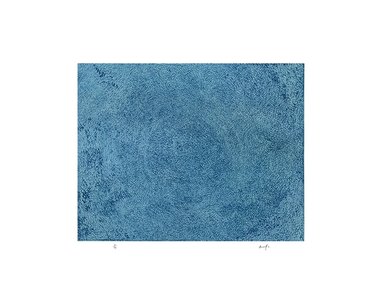
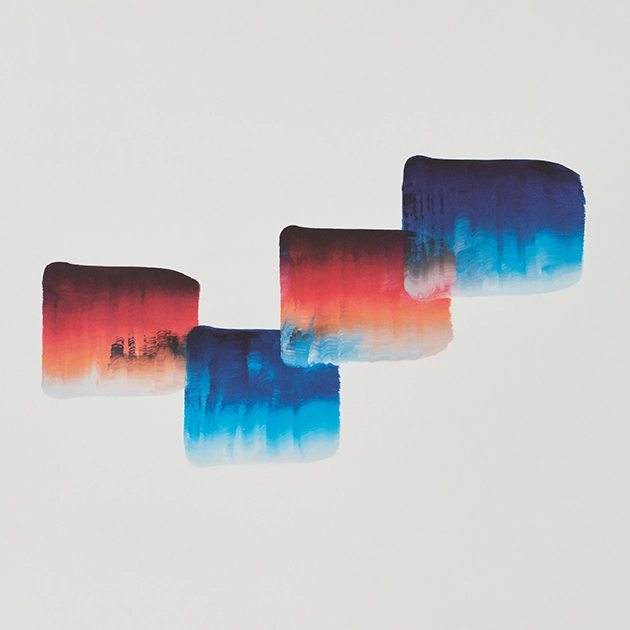
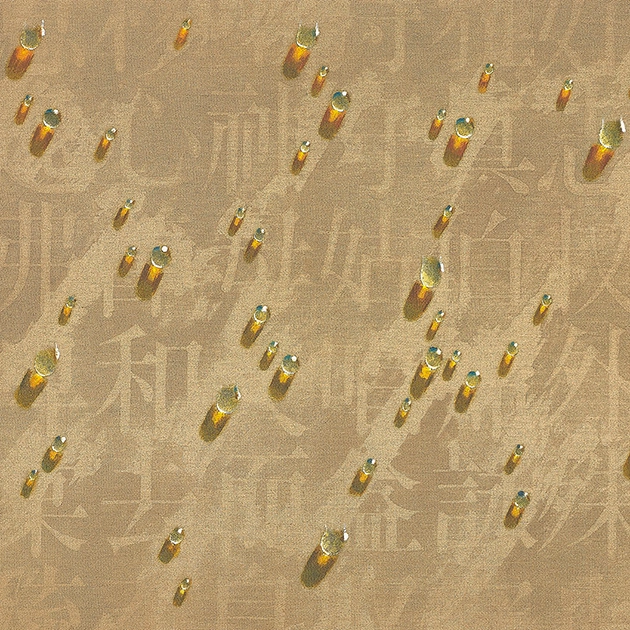
1970년대 중반 이후, 전통 일본 종이에 타원형을 사용하여 맑고 투명한 색상으로 구성한 평면 회화 작업을 선보였고, 이를 통해 동양적인 신비감을 담은 작품을 창조했다. 또한, 자연스러운 돌을 형상화하여 조형적인 표정을 부여하고, 도자기용 점토로 자유롭게 형상을 구현하는 등, ‘모노하’ 사조의 영향 아래 사물과 공간, 위치, 상황 및 관계를 탐구하는 작품을 이어갔다. 일본에서의 활발한 활동과 동시에 한국 미술계와 지속적인 교류를 이어온 그는 50여 차례의 개인전을 개최했고, 주요 전시로는 1968년 동경 국립근대미술관에서 열린 ‘한국현대회화전’, 1969년 상파울루 비엔날레, 1970년 ‘한국 현대작가전’, 1971년 ‘한국 현대회화전’, 1977년 ‘한국 현대미술의 단면전’ 등이 있다. 1985년에는 과천 국립현대미술관에서 대규모 회고전을 열어 그의 예술적 여정을 돌아보았다.
Born in Korea in 1919, Kwak In Sik moved to Japan in the 1930s and studied at Tokyo School of Fine Arts, beginning his journey in the art world. After the mid-1950s, he actively explored major Western art movements while also experimenting with new methods to develop his own distinctive artistic language.
In the early 1960s, Kwak focused on the material properties of his mediums, expanding his creative range by incorporating materials such as stone, glass, and metal into his works. Through the performative act of engaging with materials, as expressed in his phrase, “Listening to the objects,” he deeply explored the intrinsic qualities of his chosen materials.
From the mid-1970s onwards, he created flat paintings on traditional Japanese paper, using small, simplified oval forms rendered in clear, transparent colors to evoke an Eastern sense of mystery. He also worked with natural stones, giving them sculptural expressions, and freely explored clay for ceramics, incorporating the tenets of the Mono-ha movement. Kwak’s exploration of objects, space, position, and relationships remained a central theme in his works. Despite his active presence in Japan, he maintained consistent engagement with the Korean art community, holding over 50 solo exhibitions. Notable exhibitions include the 1968 *Modern Korean Painting* at the Tokyo National Museum of Modern Art, the 1969 São Paulo Biennale, the 1970 *Korean Modern Artists Exhibition*, and the 1985 retrospective at the National Museum of Modern Art in Gwacheon, which offered a comprehensive view of his artistic journey.