황규백 HWANG KYU BAIK
- Connect
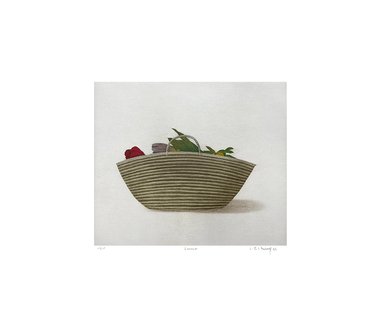
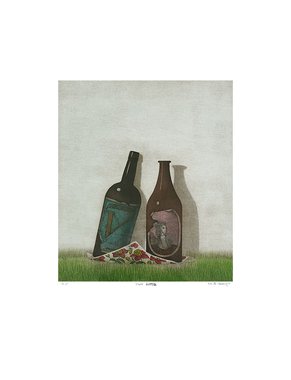
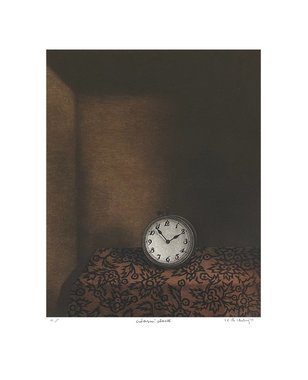
황규백은 대한민국의 대표적인 판화 작가로, 메조틴트 기법을 현대적으로 승화시켜 독특한 조형세계를 구축했다. 1970년대 파리에 거주했을 시기에 제작된 판화들은 바르셀로나를 비롯해 파리, 미국 등의 국제전에 출품되어 많은 컬렉터들과 미술계의 주목을 받기도 하였다. 특히 그는 1984년 앤디 워홀, 데이비드 호크니, 사이 톰블리 등 작가 16인이 참여한 사라예보 동계올림픽 공식 포스터 제작을 위해 기획된 작품집에 수록되는 판화를 제작하여 해외에서 판화가로서 독보적인 위치를 확립하였다.
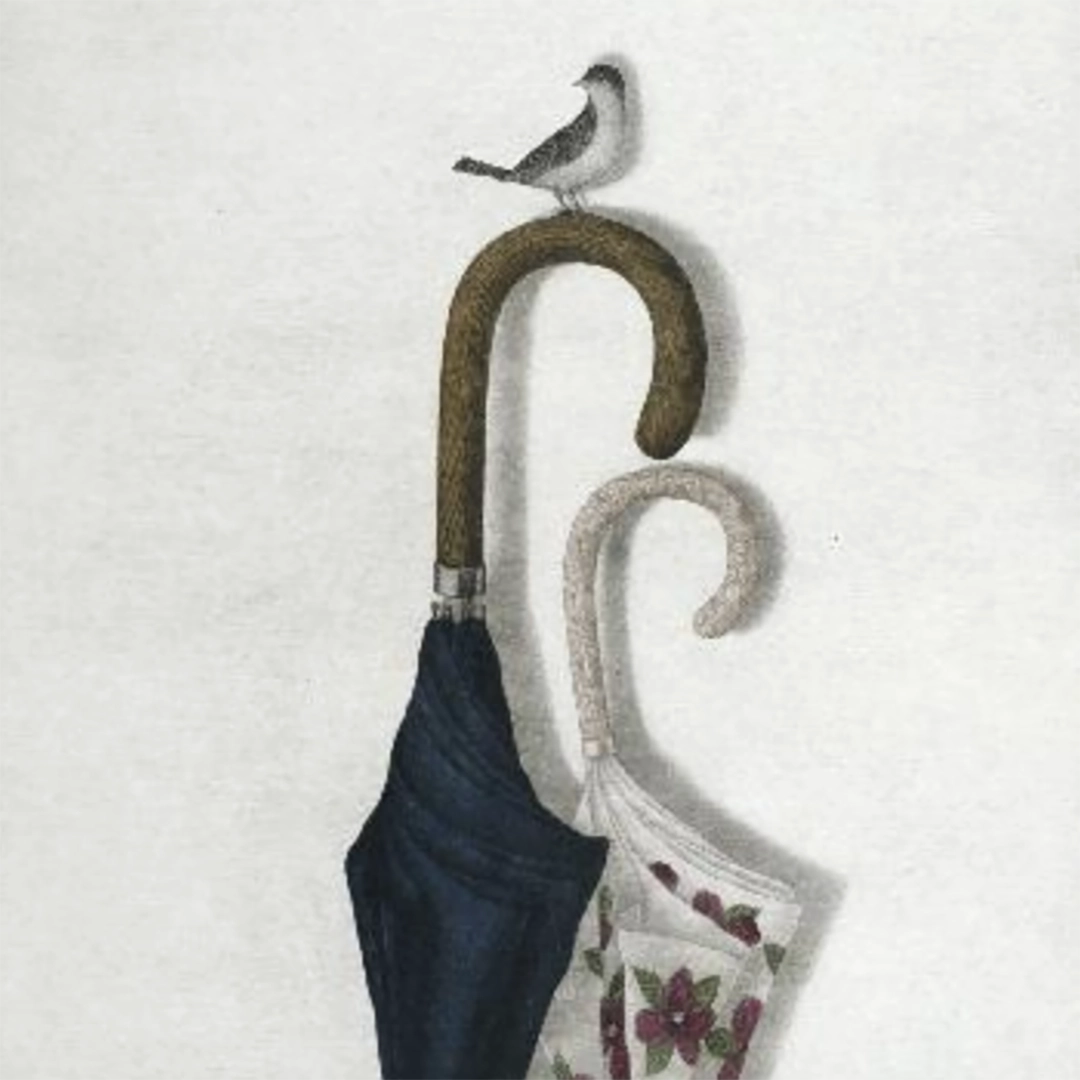
그는 1968년 일찍이 파리로 도불하여 에꼴 드 루브르에서 미술사를 공부했고, 같은 시기에 아틀리에 17에서 판화를 배웠다. 파리에서 그는 에칭, 애쿼틴트 등 판을 화학적으로 부식시켜 이미지를 만들어내는 간접 묘화 법을 통해 판화를 익혔다. 1970년 그는 뉴욕으로 이주하면서 판위에 물리적인 방법을 통해 이미지를 직접 그려나가 섬세한 디테일을 묘사하기에 적합한 메조틴트 판화를 집중적으로 제작하였다.
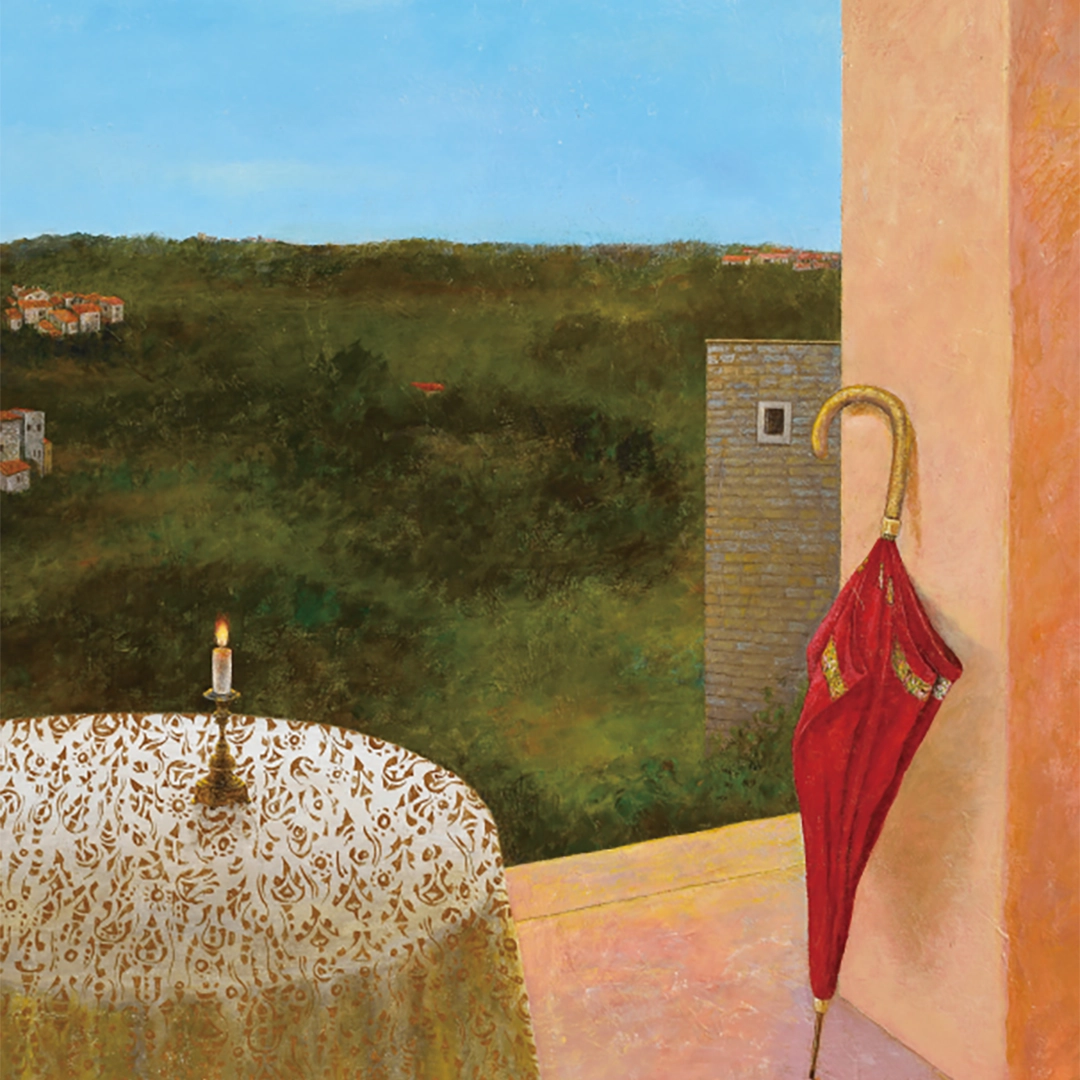
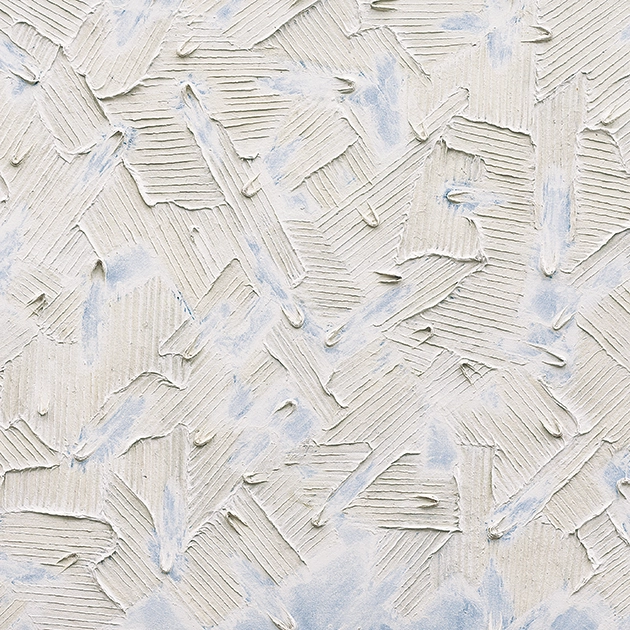
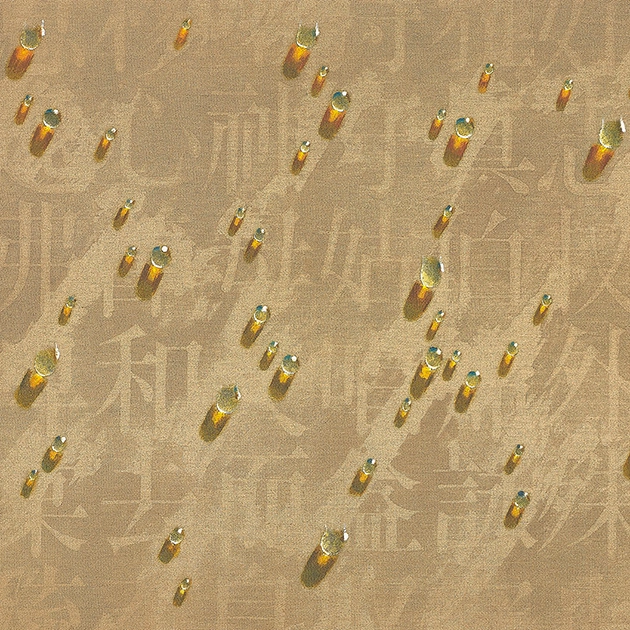
2000년 한국으로 귀국한 뒤, 황규백은 붓을 들어 회화 작업에 대한 탐구를 시작했다. 이 시기 그는 평소 예술적인 영감을 받았던 이탈리아로 여행을 떠나, 프레스코 벽화에서 그의 작업의 기법적 토대를 찾았다. 캔버스 위에 만들어진 거친 마티에르와 그 위에 정교하게 그려진 이미지들의 미묘한 대조는 판화에서 벗어난 자유로움과 새로운 차원의 깊이를 더하고 있다. 그의 작품은 국립현대미술관을 비롯한 여러 미술관에 소장되어 있으며, 한국 미술의 국제적 위상을 높이는 데 기여했다.
HWANG KYU BAIK is one of Korea’s leading printmakers, who has established a distinctive formal language by elevating the mezzotint technique into a contemporary context. The prints he produced while living in Paris during the 1970s were exhibited in international exhibitions in Barcelona, Paris, the United States, and elsewhere, drawing significant attention from collectors and the art world. In particular, in 1984 he created a print included in a special portfolio produced for the official posters of the Sarajevo Winter Olympics, a project involving sixteen artists including Andy Warhol, David Hockney, and Cy Twombly, thereby establishing a singular reputation as a printmaker abroad.
In 1968, he moved to Paris at an early age to study art history at the École du Louvre, while simultaneously learning printmaking at Atelier 17. In Paris, he mastered printmaking through indirect image-making methods such as etching and aquatint, which involve chemically etching the plate. After relocating to New York in 1970, he focused on producing mezzotint prints, a technique well suited to rendering delicate details by drawing images directly onto the plate through physical processes.
After returning to Korea in 2000, HWANG KYU BAIK took up the brush and began exploring painting. During this period, he traveled to Italy, a long-standing source of artistic inspiration, where he found the technical foundation for his work in fresco murals. The subtle contrast between the rough matière formed on the canvas and the precisely rendered images layered upon it adds a sense of freedom beyond printmaking and introduces a new depth to his work. His works are held in the collections of numerous museums, including the National Museum of Modern and Contemporary Art, contributing to the international stature of Korean art.