한스 하르퉁 HANS HARTUNG
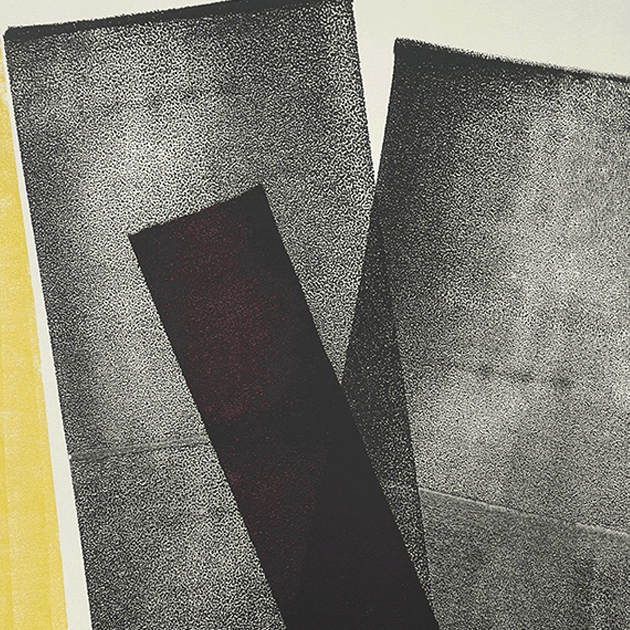
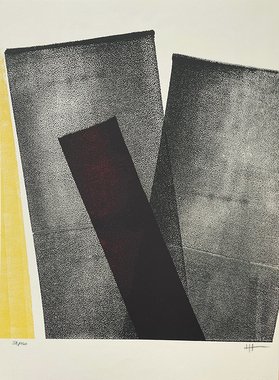
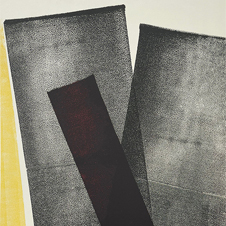
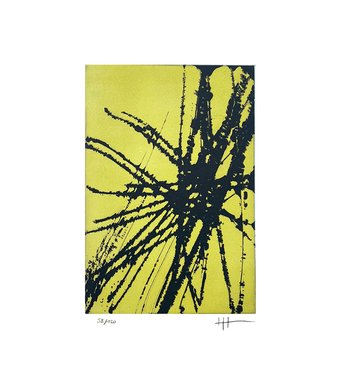
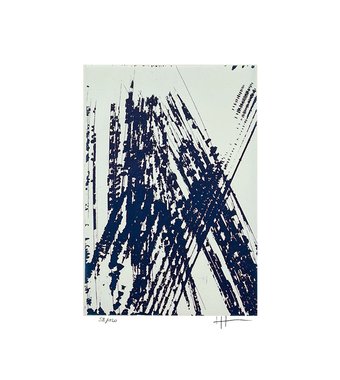
한스 하르퉁은 서정적 추상화와 아르 앵포르멜(Art Informel) 운동으로 잘 알려진 프랑스계 독일 예술가이다. 그의 회화와 석판화는 긁고, 지우고, 다시 칠하는 반복적인 과정을 통해 완성되며, 이는 그가 추구한 자유롭고 즉흥적인 표현 방식을 잘 드러낸다.
하르퉁은 인간이 각자의 사고와 행동에서 해방되어야 하며, 예술가 역시 외부의 구속으로부터 자유로워야 한다고 믿었다. 독일 라이프치히에서 태어난 그는 라이프치히 대학과 드레스덴, 뮌헨 아카데미에서 예술과 철학을 공부하며 예술적 토대를 다졌고, 1920년대 말 파리로 이주해 본격적인 활동을 시작했다.
정치적 혼란 속에서 게슈타포에 의해 투옥되는 시련을 겪은 그는 1946년 프랑스 국적을 취득한 이후 에콜 드 파리의 핵심 작가로 자리 잡았다. 두터운 검은 선과 거대한 얼룩이 특징인 제스처 추상 회화를 발전시켰으며, 시간이 흐르며 색채와 공간성이 더욱 강조되고 선은 한층 서정적인 리듬을 띠게 되었다. 1960년 제30회 베네치아 비엔날레에서 대상을 수상한 그의 작품은 테이트 갤러리, 뉴욕 현대미술관, 호주 국립미술관 등 세계 유수의 미술관에 소장·전시되며 오늘날까지 깊은 영감을 전하고 있다.
Hans Hartung was a French-German artist renowned for his lyrical abstraction and his association with the Art Informel movement. His distinctive paintings and lithographs were created through processes of scratching, erasing, and repainting, revealing a commitment to freedom of expression and gestural intensity.
Hartung believed that individuals should be liberated in their thoughts and actions, and that artists must remain free from external constraints. Born in Leipzig, Germany, he studied art and philosophy at Leipzig University as well as academies in Dresden and Munich, establishing a strong intellectual and artistic foundation. In the late 1920s, he relocated to Paris, where his artistic career took shape.
Amid political turmoil, Hartung was imprisoned by the Gestapo before eventually acquiring French citizenship in 1946. As a key figure of the École de Paris, he developed a powerful abstract language marked by thick black lines, bold stains, and dynamic gestures. Over time, his work evolved to emphasize vibrant color and spatial depth, with increasingly lyrical linear rhythms. Awarded the Grand Prize at the 30th Venice Biennale in 1960, Hartung’s works are held in major collections including Tate Gallery in London, the Museum of Modern Art in New York, and the National Gallery of Australia in Canberra, continuing to inspire contemporary audiences.