
전광영 CHUN KWANG YOUNG
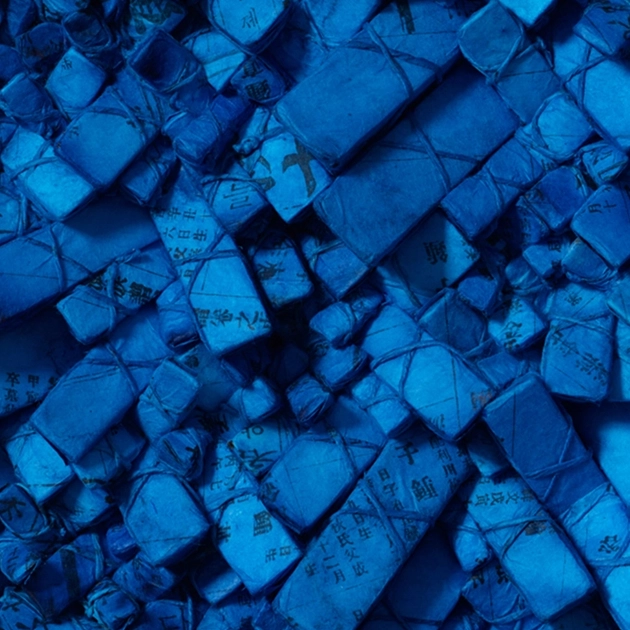
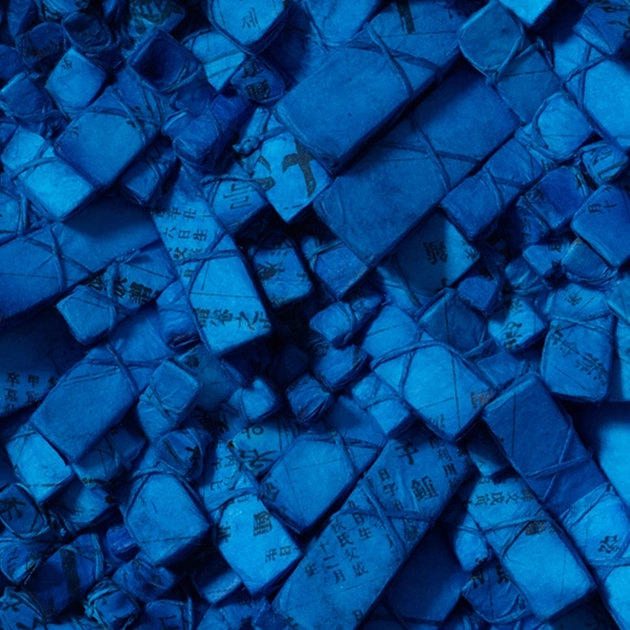
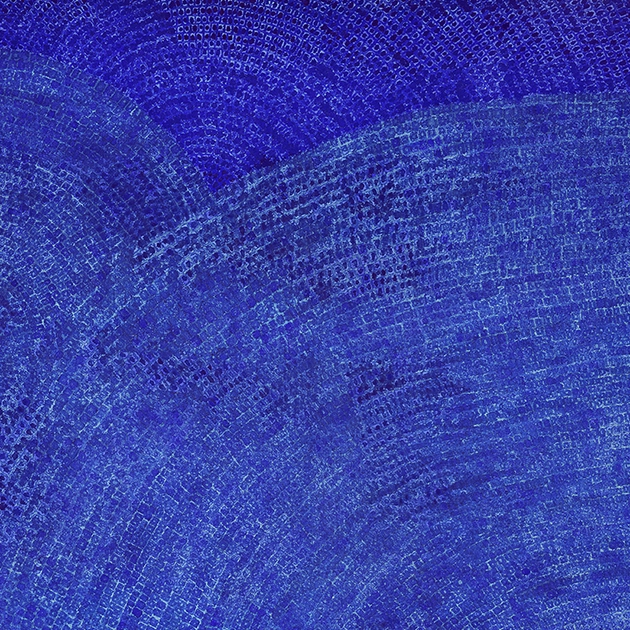
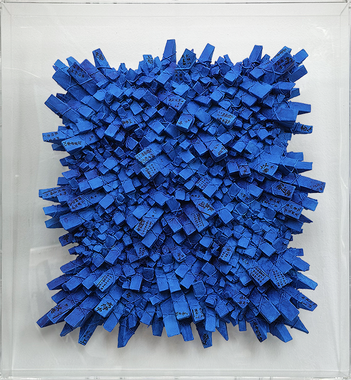
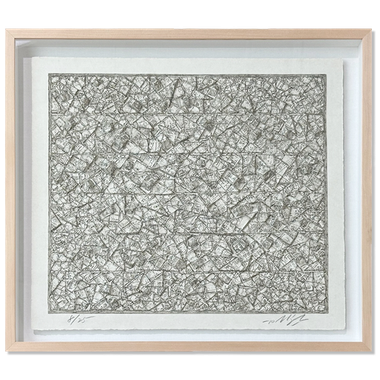
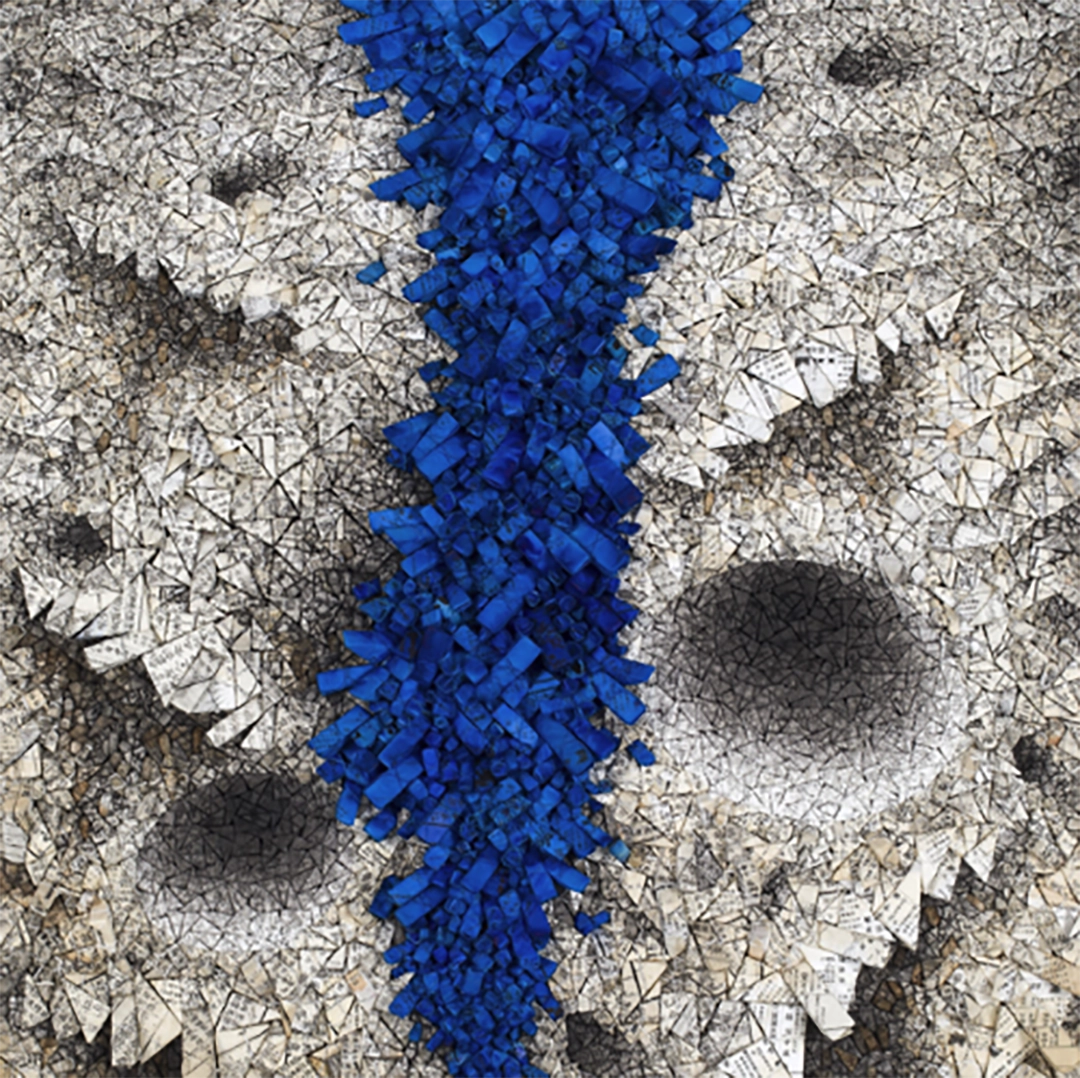
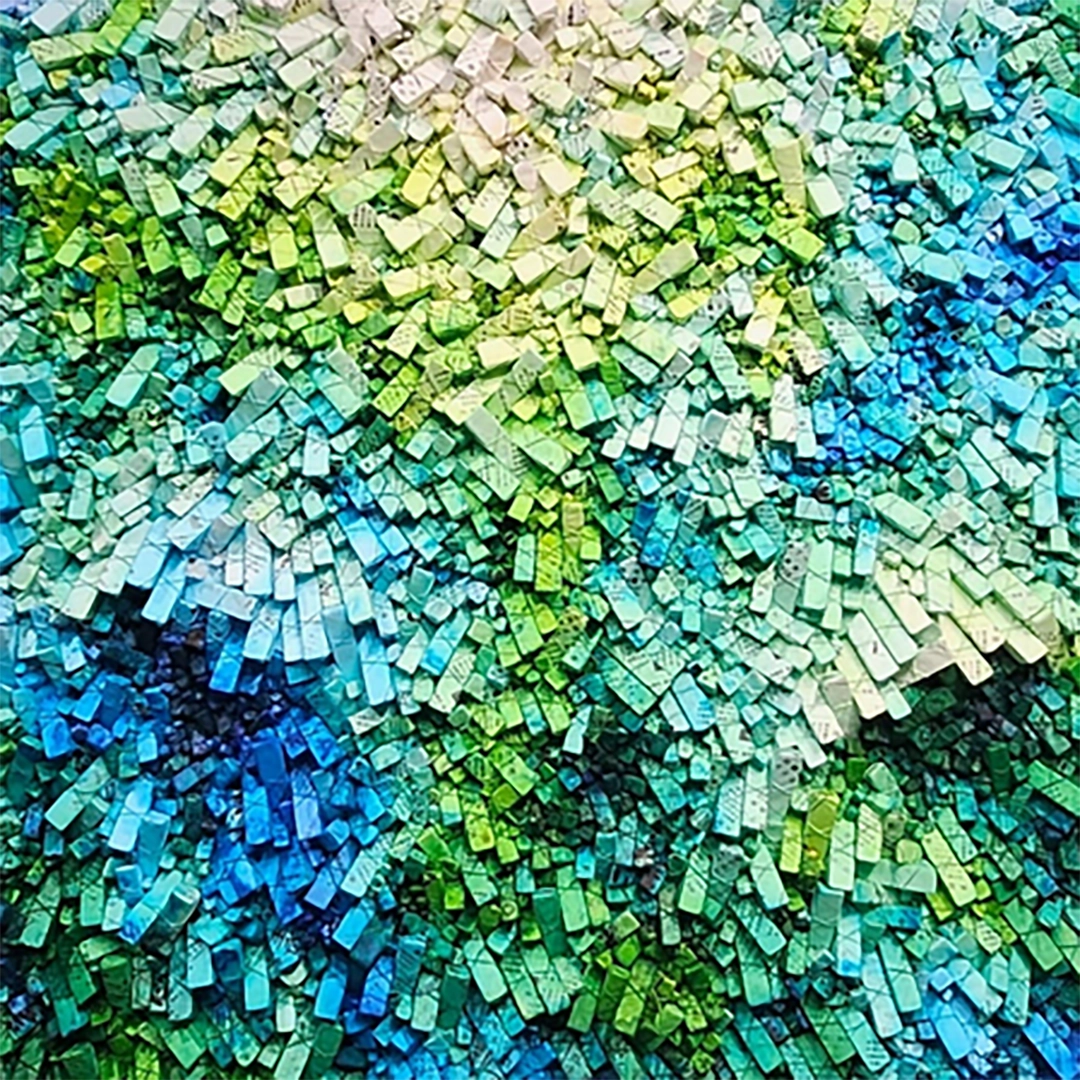
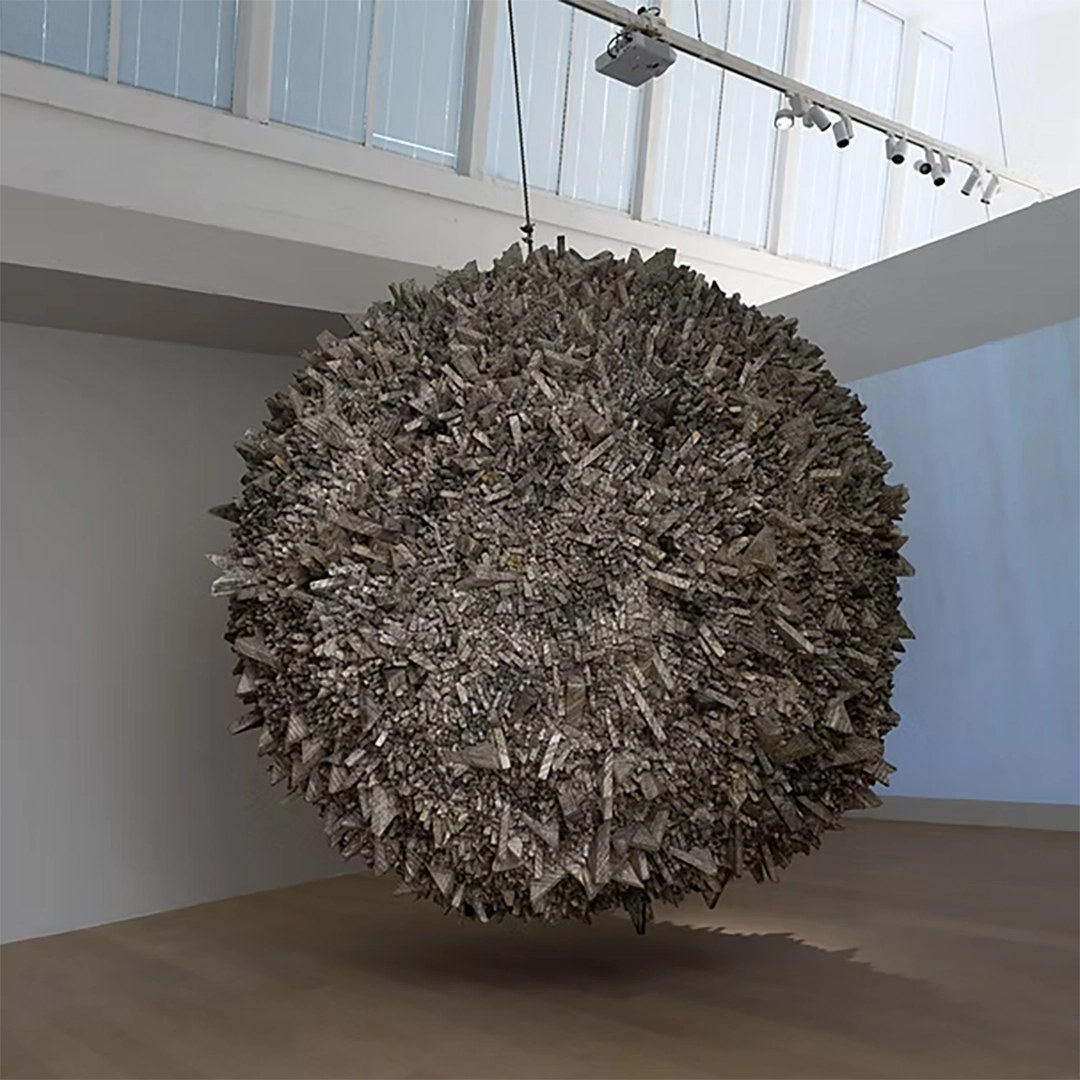
한국의 전통 재료인 한지를 통해 동서양의 미학을 잇는 독창적인 조형 언어를 완성한 전광영 작가. 홍익대학교 회화과와 필라델피아 예술대학 대학원을 졸업한 그는, 서구 추상회화의 문법 위에 한국적 정서와 철학을 접목했다. 1990년대 중반부터 시작된 대표 시리즈 그는 ‘한지를 접고 묶는’ 행위를 통해 창조와 소멸, 생명과 순환의 개념을 시각화하며, 시간의 누적과 인간 존재의 본질을 탐구한다. 종이 하나하나에는 옛 한문서나 신문이 인쇄되어 있어, 각기 다른 기억과 언어가 층층이 쌓여 거대한 질서를 이루는 듯한 인상을 준다. 전광영의 작품은 회화와 조각, 동양과 서양, 전통과 현대의 경계를 허물며 세계 미술계에 깊은 울림을 남겼다. 그의 〈Aggregations〉 시리즈는 뉴욕 브루클린 미술관, 워싱턴 D.C.의 스미스소니언 박물관, 런던 빅토리아 앤 앨버트 뮤지엄 등 세계 주요 미술관에 소장되어 있다. 그는 “한지를 통해 수천 년의 기억을 다시 엮어내는 일”이라 말하며, 한지의 물성과 영혼으로 시대와 인간의 본질을 사유한다. 그의 작품은 대영박물관, 우양미술관, UN본부, 리움미술관, 국립현대미술관 등에 소장되어 있다. Artist Chun Kwang Young has forged a unique visual language that bridges Eastern and Western aesthetics through the traditional Korean material of hanji. A graduate of Hongik University’s Department of Painting and the University of the Arts in Philadelphia, he integrates Korean sensibility and philosophy into the formal vocabulary of Western abstraction. His signature series Aggregations, begun in the mid-1990s, consists of dimensional paintings created by attaching thousands—sometimes tens of thousands—of small triangular hanji parcels to a canvas. Each work serves as a symbolic manifestation of the artist’s worldview. Through the repetitive acts of folding and binding hanji, Chun visualizes concepts of creation and dissolution, life and circulation, probing the accumulation of time and the essence of human existence. The individual pieces of paper, printed with old Chinese texts or newspapers, evoke layers of memories and languages that together form a monumental and poetic order. Chun Kwang Young’s works dissolve the boundaries between painting and sculpture, East and West, and tradition and modernity, leaving a profound impact on the global art world. His Aggregations are housed in major institutions worldwide, including the Brooklyn Museum in New York, the Smithsonian Museum in Washington, D.C., and the Victoria and Albert Museum in London. The artist describes his practice as “weaving together thousands of years of memory through hanji,” reflecting on the nature of time and humanity through the material and spirit of paper. His works are also held in the collections of the British Museum, the Wooyang Museum of Contemporary Art, the United Nations Headquarters, the Leeum Museum of Art, and the National Museum of Modern and Contemporary Art, Korea.
![[전시 노트] TIME BLOSSOM](https://media.artnedition.com/media/review/news/list_thumb/main_essay_img274.webp)
