


앤디 워홀 ANDY WARHOL
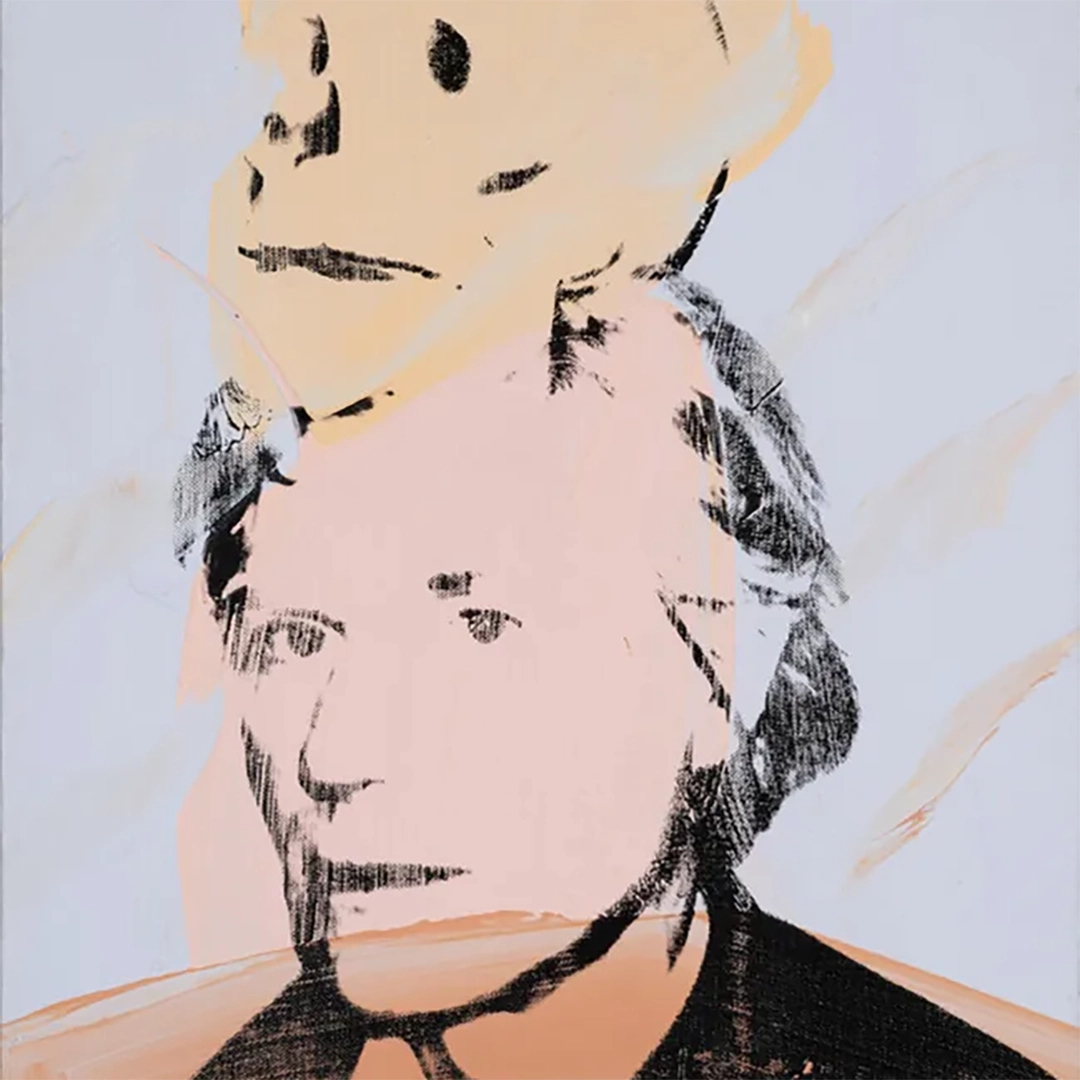
앤디 워홀은 팝아트를 대표하는 멀티 아티스트로, 도발적인 주제와 혁신적인 제작 기법, 파격적인 언행으로 시대의 아이콘이 되었다. 슬로바키아 출신 이민자 가정에서 태어난 그는 카네기멜론 대학교에서 산업 디자인을 전공한 후 뉴욕으로 이주하여 화가, 아방가르드 영화 제작자, 레코드 프로듀서, 작가 등 다양한 분야에서 세계적 명성을 쌓으며 동시대의 가장 유명한 인물로 자리매김했다.
1952년 드로잉 15작품으로 개인전을 연 것을 시작으로, 1956년 뉴욕 현대미술관(MoMA)에서 그룹전을 통해 재스퍼 존스, 로버트 라우센버그, 키스 해링, 장 미쉘 바스키아 등 여러 작가와 활발히 교류했다. 그는 정치인, 할리우드 스타, 그리고 대도시 문명 속 기물들을 소재로 삼아 대중문화의 가치와 의미를 탐구하며 예술품의 대량 생산을 선도했다.
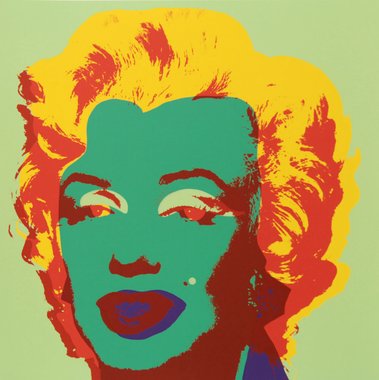
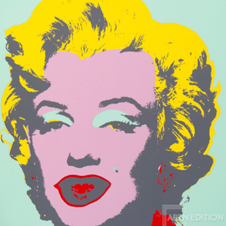
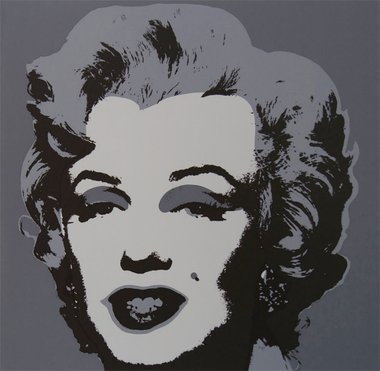
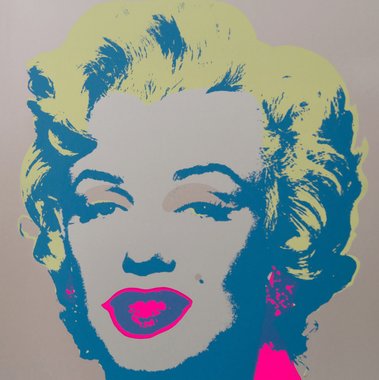
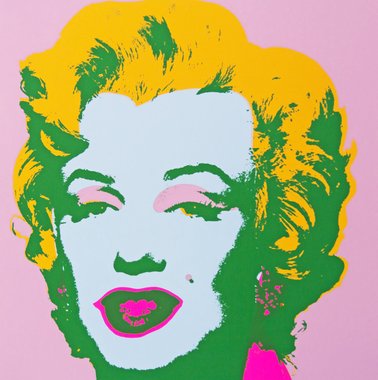
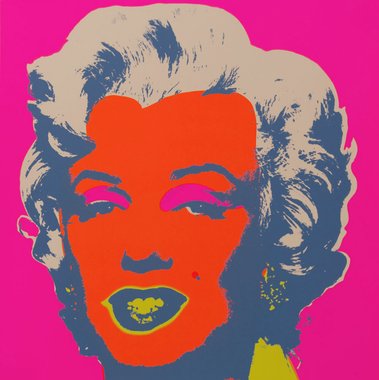
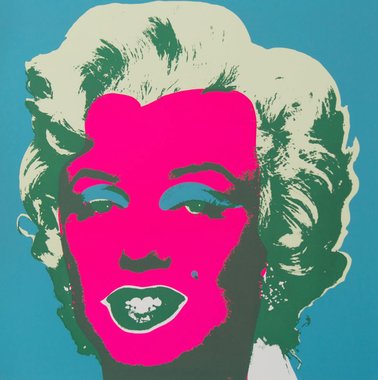
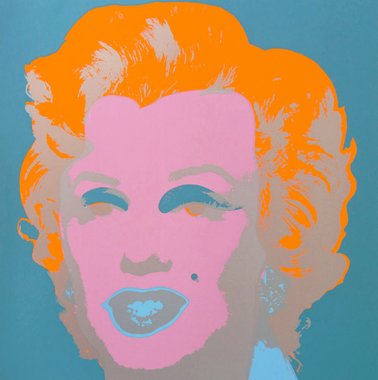
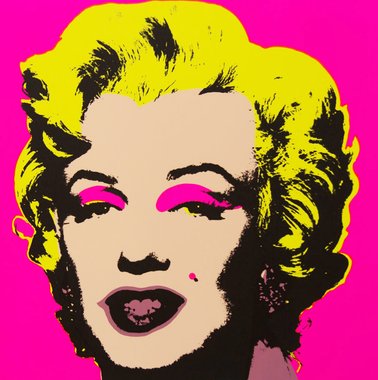
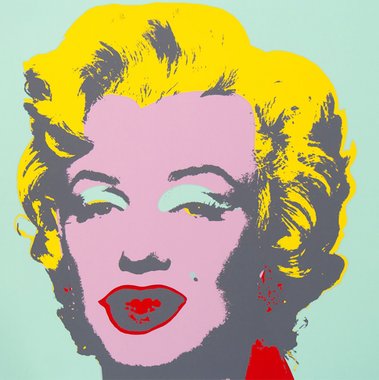
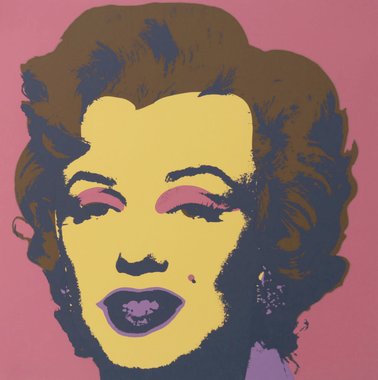
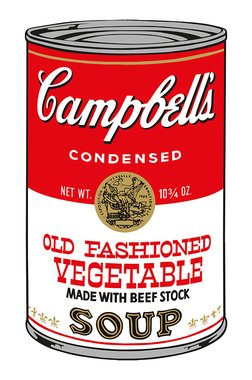
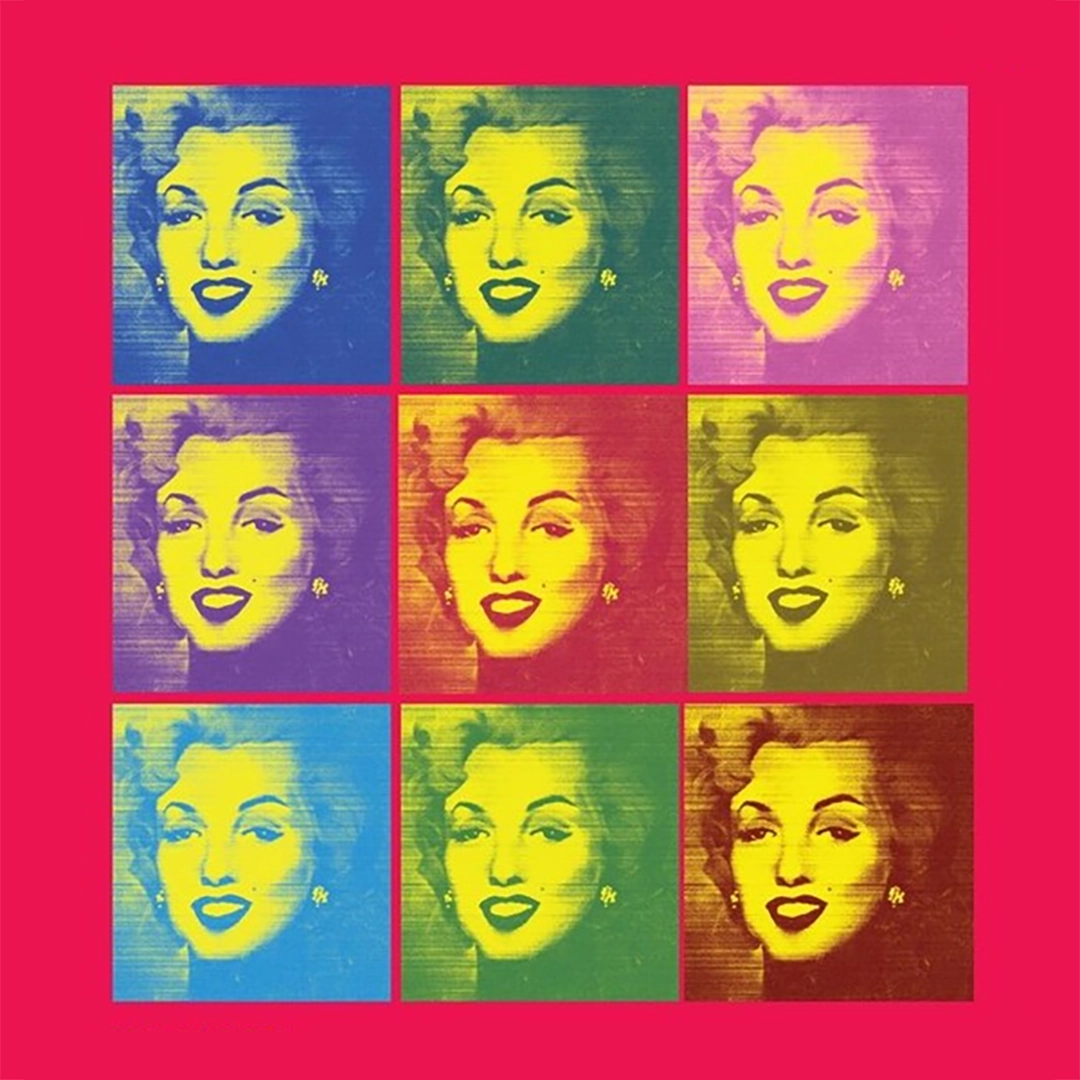
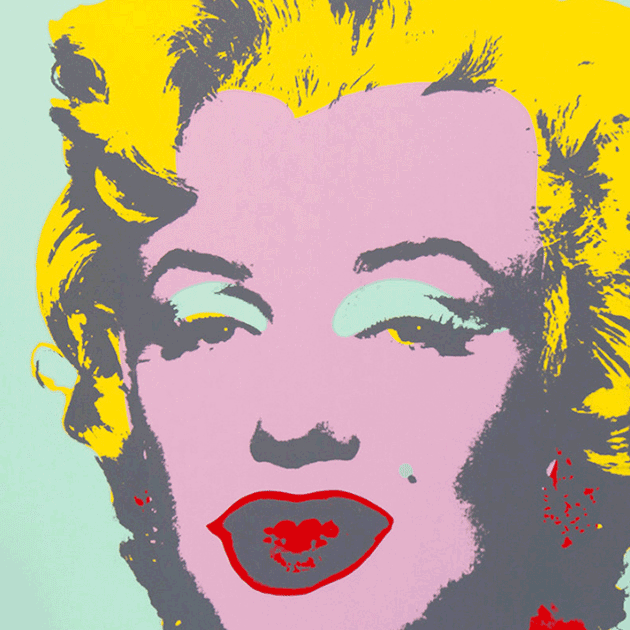
강렬한 색상과 명도의 실크스크린 기법으로 제작한 작품들, 특히 〈100개의 캠벨 수프 캔〉, 〈1달러 지폐 200장〉, 〈금빛 마릴린 먼로〉는 현대 이미지를 극명하게 포착하며, 이후 많은 작가에게 영감을 주었다. 그의 작업실 ‘공장(The Factory)’에서는 다양한 인재들을 고용해 새로운 방식으로 수많은 작품을 창조했고, <팝피즘: 앤디 워홀의 60년대>와 <앤디 워홀의 철학>을 집필하며 작가로서도 활동했다.
1970년에는 비틀즈와 함께 라이프지가 선정한 1960년대 가장 영향력 있는 인물로 뽑히기도 했다. 그는 예술 사조를 초월해 풍요로운 현대 사회를 명쾌하게 대변하는 성공적인 예술가의 전형으로 자리 잡았으며, 인권운동에도 앞장선 팝아트의 상징이자 우상으로 여겨진다. 현재 그의 유산은 미국 피츠버그에 위치한 앤디 워홀 미술관을 통해 더욱 빛나고 있다.
Andy Warhol was a multifaceted artist who epitomized Pop Art, becoming an icon of his era through provocative subject matter, innovative production techniques, and unconventional public behavior. Born into a family of Slovak immigrant parents, he studied industrial design at Carnegie Mellon University before moving to New York, where he gained worldwide fame across diverse fields—as a painter, avant-garde filmmaker, record producer, and writer—establishing himself as one of the most celebrated figures of his time.
Beginning with a solo exhibition of 15 drawings in 1952, Warhol went on to participate in a group exhibition at the Museum of Modern Art (MoMA) in New York in 1956, where he actively engaged with artists such as Jasper Johns, Robert Rauschenberg, Keith Haring, and Jean-Michel Basquiat. Drawing inspiration from politicians, Hollywood stars, and the objects of modern urban civilization, he explored the value and meaning of popular culture while pioneering the mass production of artworks.
His works, created using silkscreen techniques with bold colors and striking contrasts, include iconic pieces such as 100 Campbell’s Soup Cans, 200 One Dollar Bills, and Gold Marilyn Monroe, which captured contemporary imagery with remarkable clarity and went on to inspire countless artists. At his studio, known as The Factory, Warhol employed a wide range of creative talents to produce an extraordinary volume of work through entirely new methods. He was also active as a writer, publishing POPism: The Warhol Sixties and The Philosophy of Andy Warhol.
In 1970, he was selected by Life magazine—alongside The Beatles—as one of the most influential figures of the 1960s. Transcending artistic movements, Warhol came to represent a clear and compelling embodiment of abundance in modern society, standing as a model of the successful contemporary artist. He is also regarded as a symbol and icon of Pop Art who supported civil rights movements. Today, his legacy continues to shine through the Andy Warhol Museum in Pittsburgh, USA.